
About This Book
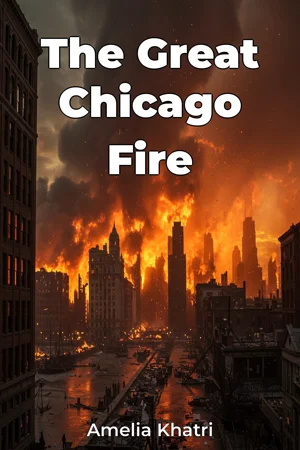
What if a single spark could reshape an entire metropolis? This book, "The Great Chicago Fire," delves into the heart of one of history’s most devastating urban disasters: the Great Chicago Fire of 1871. We will examine not only the immediate causes and unparalleled destruction but also the transformative impact this catastrophe had on urban planning, architectural innovation, and social reform in Chicago and beyond. The primary focus will center around three core areas. First, we will dissect the multifaceted causes of the fire, moving beyond the popular myth of Mrs. O’Leary’s cow to explore the contributing factors of rapid urban growth, substandard building materials, and inadequate fire prevention measures. Second, the book will meticulously document the fire’s devastation, mapping its path of destruction, quantifying the loss of life and property, and portraying the harrowing experiences of Chicago’s residents. Finally, we will analyze the profound urban changes that emerged in the fire's aftermath, from the adoption of stricter building codes and advancements in fire fighting technology to the reshaping of Chicago’s urban landscape and the rise of modern architectural practices. Understanding the context of 19th-century Chicago is crucial. Readers will gain insight into the city’s explosive growth as a railroad hub and industrial center, its diverse immigrant population, and the prevailing attitudes towards urban development and civic responsibility. No prior knowledge is strictly required, but a general awareness of 19th-century American history will enhance the reading experience. The central argument of this book is that the Great Chicago Fire, while a tragedy of immense scale, served as a catalyst for significant positive change in urban planning and architecture, forever influencing the development of modern cities. This argument is important because it challenges simple narratives of destruction and highlights the resilience of the human spirit and the capacity for innovation in the face of adversity. The book's structure will follow a logical progression. The initial chapters will set the stage by introducing 19th-century Chicago and its vulnerabilities. Subsequent chapters will investigate the various theories surrounding the fire's origin, followed by a detailed account of the fire's progression and its immediate impact. The core of the book will then analyze the rebuilding efforts, focusing on the implementation of new building codes, the emergence of innovative architectural designs using fire-resistant materials like steel, and the restructuring of the city's infrastructure. The book will culminate by exploring the long-term legacy of the fire, examining its influence on urban planning principles, fire prevention strategies, and architectural movements worldwide. This book will draw upon a wide range of primary and secondary sources, including eyewitness accounts, newspaper articles, official city records, insurance maps, architectural drawings, and scholarly publications. The analysis of insurance maps will provide unique insights into the pre-fire urban fabric and the patterns of destruction. Interdisciplinary connections will be explored through the lens of history, demonstrating how social, economic and political factors contributed to the disaster and the subsequent recovery. The book also connects to the fields of urban planning and engineering, highlighting how the fire spurred advancements in building technology and city design. A discussion of sociology will reveal the fire's transformative effect on community dynamics. This book provides a comprehensive, fact-based account of the Great Chicago Fire, emphasizing its long-term impact on architectural and urban development. The tone and writing style will be informative and engaging, aiming for clarity and accessibility while maintaining scholarly rigor. The target audience includes historians, architects, urban planners, students, and general readers interested in urban history, disaster studies, and architectural innovation. This book is valuable to them as it offers a fresh perspective on a well-known historical event. As a history book, this work will adhere to the genre's conventions of accurate research, thorough documentation, and objective analysis. The scope of the book will primarily focus on the causes, devastation, and immediate aftermath of the Great Chicago Fire, with an emphasis on its architectural and urban planning consequences. While the broader social and political context will be considered, the book will not delve into highly specific demographic or political analyses. Architects can apply the lessons learned from the fire to contemporary building practices, integrating fire-resistant materials and implementing effective fire safety measures. Urban planners can draw inspiration from Chicago's rebuilding efforts, adapting these strategies to address the challenges of modern urban environments. The ongoing debate surrounding the fire's true cause will be addressed, presenting different perspectives and weighing the available evidence.
What if a single spark could reshape an entire metropolis? This book, "The Great Chicago Fire," delves into the heart of one of history’s most devastating urban disasters: the Great Chicago Fire of 1871. We will examine not only the immediate causes and unparalleled destruction but also the transformative impact this catastrophe had on urban planning, architectural innovation, and social reform in Chicago and beyond. The primary focus will center around three core areas. First, we will dissect the multifaceted causes of the fire, moving beyond the popular myth of Mrs. O’Leary’s cow to explore the contributing factors of rapid urban growth, substandard building materials, and inadequate fire prevention measures. Second, the book will meticulously document the fire’s devastation, mapping its path of destruction, quantifying the loss of life and property, and portraying the harrowing experiences of Chicago’s residents. Finally, we will analyze the profound urban changes that emerged in the fire's aftermath, from the adoption of stricter building codes and advancements in fire fighting technology to the reshaping of Chicago’s urban landscape and the rise of modern architectural practices. Understanding the context of 19th-century Chicago is crucial. Readers will gain insight into the city’s explosive growth as a railroad hub and industrial center, its diverse immigrant population, and the prevailing attitudes towards urban development and civic responsibility. No prior knowledge is strictly required, but a general awareness of 19th-century American history will enhance the reading experience. The central argument of this book is that the Great Chicago Fire, while a tragedy of immense scale, served as a catalyst for significant positive change in urban planning and architecture, forever influencing the development of modern cities. This argument is important because it challenges simple narratives of destruction and highlights the resilience of the human spirit and the capacity for innovation in the face of adversity. The book's structure will follow a logical progression. The initial chapters will set the stage by introducing 19th-century Chicago and its vulnerabilities. Subsequent chapters will investigate the various theories surrounding the fire's origin, followed by a detailed account of the fire's progression and its immediate impact. The core of the book will then analyze the rebuilding efforts, focusing on the implementation of new building codes, the emergence of innovative architectural designs using fire-resistant materials like steel, and the restructuring of the city's infrastructure. The book will culminate by exploring the long-term legacy of the fire, examining its influence on urban planning principles, fire prevention strategies, and architectural movements worldwide. This book will draw upon a wide range of primary and secondary sources, including eyewitness accounts, newspaper articles, official city records, insurance maps, architectural drawings, and scholarly publications. The analysis of insurance maps will provide unique insights into the pre-fire urban fabric and the patterns of destruction. Interdisciplinary connections will be explored through the lens of history, demonstrating how social, economic and political factors contributed to the disaster and the subsequent recovery. The book also connects to the fields of urban planning and engineering, highlighting how the fire spurred advancements in building technology and city design. A discussion of sociology will reveal the fire's transformative effect on community dynamics. This book provides a comprehensive, fact-based account of the Great Chicago Fire, emphasizing its long-term impact on architectural and urban development. The tone and writing style will be informative and engaging, aiming for clarity and accessibility while maintaining scholarly rigor. The target audience includes historians, architects, urban planners, students, and general readers interested in urban history, disaster studies, and architectural innovation. This book is valuable to them as it offers a fresh perspective on a well-known historical event. As a history book, this work will adhere to the genre's conventions of accurate research, thorough documentation, and objective analysis. The scope of the book will primarily focus on the causes, devastation, and immediate aftermath of the Great Chicago Fire, with an emphasis on its architectural and urban planning consequences. While the broader social and political context will be considered, the book will not delve into highly specific demographic or political analyses. Architects can apply the lessons learned from the fire to contemporary building practices, integrating fire-resistant materials and implementing effective fire safety measures. Urban planners can draw inspiration from Chicago's rebuilding efforts, adapting these strategies to address the challenges of modern urban environments. The ongoing debate surrounding the fire's true cause will be addressed, presenting different perspectives and weighing the available evidence.
"The Great Chicago Fire" examines the devastating 1871 urban disaster and its profound influence on urban planning and architectural innovation. Moving beyond the myth of Mrs. O'Leary's cow, the book explores the complex causes, including rapid urban growth and inadequate building codes. The book meticulously documents the fire's destruction, mapping its path and quantifying the immense loss. The book argues that the fire was a catalyst for positive change, like the adoption of stricter building codes and the rise of fire-resistant materials. The rebuilding efforts reshaped the city's landscape and influenced modern architectural practices. By analyzing primary sources like eyewitness accounts and insurance maps, the book provides a comprehensive account of the event. The book progresses logically, starting with 19th-century Chicago's vulnerabilities, then investigating the fire's origins and impact, before analyzing the rebuilding efforts and the fire's lasting legacy on urban development worldwide. It integrates historical, architectural, and urban planning perspectives, offering valuable insights for historians, architects, and anyone interested in how cities evolve in response to crisis.
Book Details
ISBN
9788233966379
Publisher
Publifye AS
Your Licenses
You don't own any licenses for this book
Purchase a license below to unlock this book and download the EPUB.
Purchase License
Select a tier to unlock this book
Need bulk licensing?
Contact us for enterprise agreements.