
About This Book
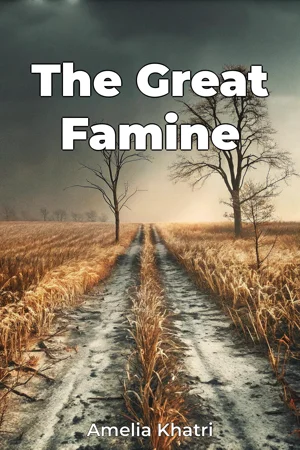
How could a single plant disease alter the course of history, uprooting millions and reshaping global policies? This book, "The Great Famine," delves into the heart of the Irish Potato Famine (1845-1849), examining its complex causes, devastating consequences, and lasting legacy on migration patterns and international food security strategies. Our focus lies on understanding the confluence of environmental factors, socioeconomic conditions, and political decisions that transformed a localized agricultural crisis into a catastrophe of global proportions. The book grapples with three central themes: the biological vulnerability of Ireland's potato-dependent agricultural system; the impact of British economic policies on Irish land ownership and food distribution; and the subsequent mass migration and its effects on both Ireland and the countries that received its displaced population. These themes are important because they reveal the interconnectedness of environmental sustainability, economic justice, and global migration, issues that remain critically relevant today. Understanding this historical event requires some familiarity with 19th-century British colonialism, Irish land tenure systems, and basic principles of plant pathology. "The Great Famine" aims to provide this context, illuminating the social hierarchy that concentrated land ownership in the hands of a few, leaving the majority of the Irish population reliant on the potato for sustenance. The book presents a central argument: the Irish Potato Famine was not solely a result of natural disaster, but rather a complex interplay of ecological vulnerability exacerbated by political and economic systems that failed to protect the Irish population. This argument is crucial because it challenges simplistic narratives of famine and emphasizes the roles of human agency and policy in shaping the impact of environmental crises. "The Great Famine" is structured to provide a comprehensive analysis of this pivotal period. It begins by introducing the social and economic conditions in Ireland before the famine, highlighting its dependence on the potato crop. The narrative then transitions to the arrival of potato blight and its devastating effects on yields. Successive chapters analyze the British government's response to the famine, evaluating the effectiveness and consequences of various relief measures. The book then examines the mass emigration that followed, exploring the experiences of Irish migrants in North America and elsewhere. Finally, the book concludes by assessing the long-term impact of the famine on Irish society, politics, and culture, as well as discussing its influence on modern food security policies. The book relies on a variety of historical sources, including government documents, newspaper articles, personal letters, and demographic data. It also incorporates research from agricultural science and plant pathology to provide a thorough understanding of the biological factors that contributed to the famine. This history connects to fields such as economics by analyzing the political decisions that shaped the Irish economy, sociology through its examination of social stratification and its effects, and environmental science by dissecting the ecological factors that helped set the stage for the crisis and its consequences. "The Great Famine" adopts a narrative non-fiction approach, blending historical analysis with compelling storytelling to bring the experiences of those affected to life. The target audience includes students of history, those interested in Irish studies, and anyone seeking to understand the complex causes and consequences of famine. This analysis is valuable because it offers insights into the enduring challenges of food security, migration, and social justice in a globalized world. The book's scope is limited to the period of the famine and its immediate aftermath, primarily focusing on Ireland and its relationship with Great Britain. While it acknowledges the global context, it does not provide an exhaustive account of Irish immigration to every country. The lessons learned from "The Great Famine" have practical applications for contemporary policymakers and aid organizations working to prevent and mitigate the effects of famine in other parts of the world. The book also touches upon ongoing debates about the role of colonialism in shaping global inequalities and vulnerabilities to environmental shocks.
How could a single plant disease alter the course of history, uprooting millions and reshaping global policies? This book, "The Great Famine," delves into the heart of the Irish Potato Famine (1845-1849), examining its complex causes, devastating consequences, and lasting legacy on migration patterns and international food security strategies. Our focus lies on understanding the confluence of environmental factors, socioeconomic conditions, and political decisions that transformed a localized agricultural crisis into a catastrophe of global proportions. The book grapples with three central themes: the biological vulnerability of Ireland's potato-dependent agricultural system; the impact of British economic policies on Irish land ownership and food distribution; and the subsequent mass migration and its effects on both Ireland and the countries that received its displaced population. These themes are important because they reveal the interconnectedness of environmental sustainability, economic justice, and global migration, issues that remain critically relevant today. Understanding this historical event requires some familiarity with 19th-century British colonialism, Irish land tenure systems, and basic principles of plant pathology. "The Great Famine" aims to provide this context, illuminating the social hierarchy that concentrated land ownership in the hands of a few, leaving the majority of the Irish population reliant on the potato for sustenance. The book presents a central argument: the Irish Potato Famine was not solely a result of natural disaster, but rather a complex interplay of ecological vulnerability exacerbated by political and economic systems that failed to protect the Irish population. This argument is crucial because it challenges simplistic narratives of famine and emphasizes the roles of human agency and policy in shaping the impact of environmental crises. "The Great Famine" is structured to provide a comprehensive analysis of this pivotal period. It begins by introducing the social and economic conditions in Ireland before the famine, highlighting its dependence on the potato crop. The narrative then transitions to the arrival of potato blight and its devastating effects on yields. Successive chapters analyze the British government's response to the famine, evaluating the effectiveness and consequences of various relief measures. The book then examines the mass emigration that followed, exploring the experiences of Irish migrants in North America and elsewhere. Finally, the book concludes by assessing the long-term impact of the famine on Irish society, politics, and culture, as well as discussing its influence on modern food security policies. The book relies on a variety of historical sources, including government documents, newspaper articles, personal letters, and demographic data. It also incorporates research from agricultural science and plant pathology to provide a thorough understanding of the biological factors that contributed to the famine. This history connects to fields such as economics by analyzing the political decisions that shaped the Irish economy, sociology through its examination of social stratification and its effects, and environmental science by dissecting the ecological factors that helped set the stage for the crisis and its consequences. "The Great Famine" adopts a narrative non-fiction approach, blending historical analysis with compelling storytelling to bring the experiences of those affected to life. The target audience includes students of history, those interested in Irish studies, and anyone seeking to understand the complex causes and consequences of famine. This analysis is valuable because it offers insights into the enduring challenges of food security, migration, and social justice in a globalized world. The book's scope is limited to the period of the famine and its immediate aftermath, primarily focusing on Ireland and its relationship with Great Britain. While it acknowledges the global context, it does not provide an exhaustive account of Irish immigration to every country. The lessons learned from "The Great Famine" have practical applications for contemporary policymakers and aid organizations working to prevent and mitigate the effects of famine in other parts of the world. The book also touches upon ongoing debates about the role of colonialism in shaping global inequalities and vulnerabilities to environmental shocks.
"The Great Famine" examines the multifaceted causes and devastating consequences of the Irish Potato Famine (1845-1849), a pivotal event in world history. It explores the confluence of environmental factors, specifically the arrival of potato blight, alongside existing socioeconomic conditions and British economic policies that transformed a localized agricultural crisis into a widespread catastrophe. The book highlights the biological vulnerability of Ireland's dependence on a single crop and the impact of British Colonialism on Irish land ownership and food distribution. The narrative also traces the subsequent mass migration and its profound effects on both Ireland and the nations receiving the displaced population. The book argues that the famine was not merely a natural disaster, but a complex interplay of ecological vulnerability exacerbated by political and economic systems. By using government documents, personal letters, and research from agricultural science, "The Great Famine" adopts a narrative non-fiction approach to bring this history to life. Structured to provide a comprehensive analysis, it begins with pre-famine conditions in Ireland, transitions to the blight's devastating effects, analyzes the British government's response, examines mass emigration, and concludes with the famine's long-term impact on Irish society and modern food security policies.
Book Details
ISBN
9788233966362
Publisher
Publifye AS
Your Licenses
You don't own any licenses for this book
Purchase a license below to unlock this book and download the EPUB.
Purchase License
Select a tier to unlock this book
Need bulk licensing?
Contact us for enterprise agreements.