
About This Book
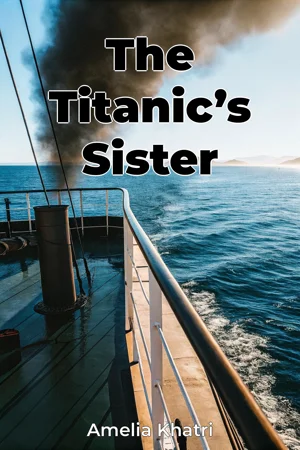
What if the story of the Titanic isn’t complete? This book, *The Titanic’s Sister*, delves into the largely untold story of the HMHS Britannic, the third and largest of the White Star Line's Olympic-class liners, sister to the infamous Titanic and Olympic. While the Titanic's sinking is etched in public memory, the Britannic's own tragic fate during World War I remains shrouded in relative obscurity. This book seeks to rectify that, offering a detailed account of her brief but eventful service and her ultimate demise in the Aegean Sea. Two key areas of focus are the Britannic's design and construction, undertaken in the shadow of the Titanic disaster and how that event informed the construction of its sister ship, and the circumstances surrounding her sinking. The book will explore the design modifications implemented to ostensibly prevent a repeat of the Titanic tragedy, including a double hull and increased lifeboat capacity. These modifications, representing a significant leap in maritime safety technology, are vital to understanding the evolution of ship design in the early 20th century. Further, the inquiry into the cause of the sinking will be revisited, evaluating established theories of torpedo attack versus a mine strike, alongside the evidence considered at the time. The historical context is crucial. The book will set the stage with an overview of the escalating tensions in Europe leading to World War I, detailing the urgent need for hospital ships and the subsequent requisition of civilian liners like the Britannic. Understanding the climate of wartime Britain, including wartime propaganda and censorship, is crucial for interpreting the available historical records and eyewitness accounts. The central argument of this book is that the sinking of the Britannic, while less known than the Titanic, represents a significant historical event with lasting implications for naval warfare and maritime safety. The loss of the ship served as a catalyst for further advancements in damage control and evacuation procedures, and her story offers a compelling case study in the challenges of adapting civilian vessels for wartime service. The book is structured to provide a comprehensive narrative. It begins with an introduction to the Olympic-class liners and their historical significance. It proceeds into the construction of the Britannic, the design changes made after the loss of the Titanic, and her wartime service as a hospital ship. The core of the book details the events of November 21, 1916, the day the Britannic sank, followed by an analysis of the potential causes. The book also explores notable figures connected to the ship, including nurse Violet Jessop, who survived both the Titanic and Britannic sinkings. Finally, the book examines the discovery of the wreck by Jacques Cousteau and the subsequent underwater expeditions that have shed new light on the disaster. This book will be supported by a range of historical sources. These sources include official British Admiralty records, contemporary newspaper reports, survivor testimonies, and technical specifications for the Britannic. Furthermore, it will draw on the findings of various underwater expeditions to the wreck site, including photographic and video evidence that provides crucial insight into the ship's final moments. Interdisciplinary connections enhance the book's arguments. It intersects with naval history, exploring the evolving tactics of submarine warfare during World War I. It also touches on medical history, examining the role of hospital ships in providing care for wounded soldiers. Furthermore, it engages with engineering and materials science, analyzing the structural failures that contributed to the ship's rapid sinking. This book adopts a fact-based and analytical approach, aiming to present a balanced and objective account of the Britannic's story. It avoids sensationalism and instead focuses on presenting the available evidence in a clear and accessible manner. The tone is serious and respectful, reflecting the loss of life and the historical significance of the event. *The Titanic's Sister* is targeted toward readers interested in maritime history, World War I history, and engineering disasters. It will appeal to those fascinated by the Titanic and seeking a deeper understanding of the White Star Line's grand liners. The book's scope is limited to the history of the Britannic, its construction, service, sinking, and subsequent discovery. It does not delve into the broader history of World War I, and the focus remains tightly on the ship itself and the events surrounding its demise. However, real-world applications extend to the study of naval architecture, disaster management, and historical investigation. The story of the Britannic raises questions of what actually happened and encourages readers to reconsider their understanding of a historical event.
What if the story of the Titanic isn’t complete? This book, *The Titanic’s Sister*, delves into the largely untold story of the HMHS Britannic, the third and largest of the White Star Line's Olympic-class liners, sister to the infamous Titanic and Olympic. While the Titanic's sinking is etched in public memory, the Britannic's own tragic fate during World War I remains shrouded in relative obscurity. This book seeks to rectify that, offering a detailed account of her brief but eventful service and her ultimate demise in the Aegean Sea. Two key areas of focus are the Britannic's design and construction, undertaken in the shadow of the Titanic disaster and how that event informed the construction of its sister ship, and the circumstances surrounding her sinking. The book will explore the design modifications implemented to ostensibly prevent a repeat of the Titanic tragedy, including a double hull and increased lifeboat capacity. These modifications, representing a significant leap in maritime safety technology, are vital to understanding the evolution of ship design in the early 20th century. Further, the inquiry into the cause of the sinking will be revisited, evaluating established theories of torpedo attack versus a mine strike, alongside the evidence considered at the time. The historical context is crucial. The book will set the stage with an overview of the escalating tensions in Europe leading to World War I, detailing the urgent need for hospital ships and the subsequent requisition of civilian liners like the Britannic. Understanding the climate of wartime Britain, including wartime propaganda and censorship, is crucial for interpreting the available historical records and eyewitness accounts. The central argument of this book is that the sinking of the Britannic, while less known than the Titanic, represents a significant historical event with lasting implications for naval warfare and maritime safety. The loss of the ship served as a catalyst for further advancements in damage control and evacuation procedures, and her story offers a compelling case study in the challenges of adapting civilian vessels for wartime service. The book is structured to provide a comprehensive narrative. It begins with an introduction to the Olympic-class liners and their historical significance. It proceeds into the construction of the Britannic, the design changes made after the loss of the Titanic, and her wartime service as a hospital ship. The core of the book details the events of November 21, 1916, the day the Britannic sank, followed by an analysis of the potential causes. The book also explores notable figures connected to the ship, including nurse Violet Jessop, who survived both the Titanic and Britannic sinkings. Finally, the book examines the discovery of the wreck by Jacques Cousteau and the subsequent underwater expeditions that have shed new light on the disaster. This book will be supported by a range of historical sources. These sources include official British Admiralty records, contemporary newspaper reports, survivor testimonies, and technical specifications for the Britannic. Furthermore, it will draw on the findings of various underwater expeditions to the wreck site, including photographic and video evidence that provides crucial insight into the ship's final moments. Interdisciplinary connections enhance the book's arguments. It intersects with naval history, exploring the evolving tactics of submarine warfare during World War I. It also touches on medical history, examining the role of hospital ships in providing care for wounded soldiers. Furthermore, it engages with engineering and materials science, analyzing the structural failures that contributed to the ship's rapid sinking. This book adopts a fact-based and analytical approach, aiming to present a balanced and objective account of the Britannic's story. It avoids sensationalism and instead focuses on presenting the available evidence in a clear and accessible manner. The tone is serious and respectful, reflecting the loss of life and the historical significance of the event. *The Titanic's Sister* is targeted toward readers interested in maritime history, World War I history, and engineering disasters. It will appeal to those fascinated by the Titanic and seeking a deeper understanding of the White Star Line's grand liners. The book's scope is limited to the history of the Britannic, its construction, service, sinking, and subsequent discovery. It does not delve into the broader history of World War I, and the focus remains tightly on the ship itself and the events surrounding its demise. However, real-world applications extend to the study of naval architecture, disaster management, and historical investigation. The story of the Britannic raises questions of what actually happened and encourages readers to reconsider their understanding of a historical event.
"The Titanic's Sister" unveils the compelling, yet lesser-known story of HMHS Britannic, the largest of the White Star Line's Olympic-class liners and sister ship to the Titanic. This exploration into maritime history recounts the Britannic's brief service as a World War I hospital ship and its tragic sinking in the Aegean Sea. Modifications implemented after the Titanic disaster, like the double hull, represent significant advancements in ship design and maritime safety. The book meticulously examines the events leading to the Britannic's sinking, scrutinizing whether a torpedo attack or a mine strike caused the disaster. It contextualizes the ship's wartime role, highlighting the urgent need for hospital ships amidst escalating tensions in Europe. Beginning with an introduction to the Olympic-class liners, the narrative progresses through the Britannic’s construction, wartime service, and the events of its sinking on November 21, 1916. The story of notable figures, like survivor Violet Jessop, and Jacques Cousteau's discovery of the wreck add further depth.
Book Details
ISBN
9788233966348
Publisher
Publifye AS
Your Licenses
You don't own any licenses for this book
Purchase a license below to unlock this book and download the EPUB.
Purchase License
Select a tier to unlock this book
Need bulk licensing?
Contact us for enterprise agreements.