
About This Book
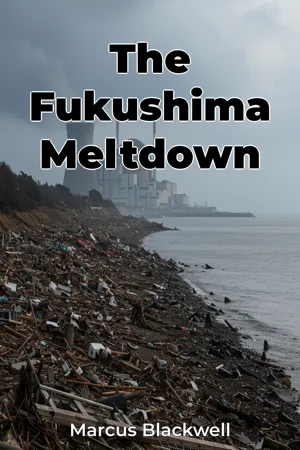
Can a single natural disaster irrevocably alter the course of a nation's energy future? "The Fukushima Meltdown" delves into the heart of the 2011 Fukushima Daiichi nuclear disaster, examining the powerful earthquake and subsequent tsunami that triggered the crisis, and analyzing its long-term repercussions on Japan's energy policies and the global nuclear industry. This book is a critical exploration of a pivotal moment in world history, with far-reaching implications for our understanding of risk, technology, and societal resilience. The core themes encompass a detailed reconstruction of the disaster itself, an assessment of the immediate and lasting environmental and health consequences, and an investigation into the political and economic factors that shaped Japan's response and its subsequent energy policy shifts. These subjects are crucial since the Fukushima disaster served as a stark reminder of the inherent dangers associated with nuclear power and exposed vulnerabilities in safety protocols and disaster preparedness worldwide. The book provides contextual background by tracing the history of nuclear power in Japan, highlighting the nation's dependence on nuclear energy after the oil crises of the 1970s and the regulatory framework in place prior to the disaster. Understanding this context is essential for grasping the magnitude of the policy reversals that followed. "The Fukushima Meltdown" argues that the disaster exposed fundamental flaws in Japan's nuclear governance, corporate culture, and emergency response systems. This failure, the book contends, not only led to a preventable catastrophe but also triggered a profound crisis of confidence in government and industry, reshaping Japan's energy landscape for decades to come. The book unfolds in a structured manner. It begins by setting the scene, detailing the events of March 11, 2011, and providing an overview of the Fukushima Daiichi plant and its operations. Subsequently, it analyzes the technical failures that led to the meltdowns and explosions, drawing upon reports from investigative committees and expert analyses. The aftermath is then explored, focusing on the evacuation of affected populations, the challenges of decontamination, and the ongoing health monitoring programs. Finally, the book examines the political and economic consequences, including the shutdown of nuclear reactors across Japan, the rise of renewable energy sources, and the ongoing debate about the future of nuclear power. Evidence and research are drawn from a wide range of sources, including official government reports, investigations by independent panels, scientific studies on radiation exposure, and interviews with affected residents, nuclear experts, and policymakers. The book intersects with various fields of study, including environmental science (examining the impact of radiation on ecosystems), public health (assessing the long-term health effects of radiation exposure), and political science (analyzing the policy responses to the crisis and the role of government regulation). These interdisciplinary connections enrich the analysis and offer a more comprehensive understanding of the disaster's multifaceted impact. A unique aspect of "The Fukushima Meltdown" is its focus on the human element, giving voice to the experiences of those directly affected by the disaster. It moves beyond technical analysis to explore the social, psychological, and cultural dimensions of the crisis. Conveyed in a fact-based, narrative non-fiction style, the book aims to provide a comprehensive and accessible account of the Fukushima disaster. The tone is serious and analytical, reflecting the gravity of the subject matter, while also striving to be engaging and informative for a broad audience. This book is intended for anyone interested in nuclear energy, environmental policy, disaster management, or contemporary Japanese history. It will be valuable for students, researchers, policymakers, and general readers seeking a deeper understanding of the Fukushima disaster and its global implications. As a work of current events and world history, the book adheres to the conventions of thorough research, objective analysis, and clear presentation of evidence. While focusing on the Fukushima disaster, the book acknowledges the broader context of nuclear energy debates and the ongoing challenges of balancing energy needs with safety and environmental concerns. The book focuses specifically on the Fukushima Daiichi nuclear disaster and its direct consequences, with limited discussion about other nuclear accidents or broader global energy trends. It acknowledges the ongoing debates surrounding nuclear energy, including discussions about safety regulations, waste disposal, and the potential role of nuclear power in addressing climate change.
Can a single natural disaster irrevocably alter the course of a nation's energy future? "The Fukushima Meltdown" delves into the heart of the 2011 Fukushima Daiichi nuclear disaster, examining the powerful earthquake and subsequent tsunami that triggered the crisis, and analyzing its long-term repercussions on Japan's energy policies and the global nuclear industry. This book is a critical exploration of a pivotal moment in world history, with far-reaching implications for our understanding of risk, technology, and societal resilience. The core themes encompass a detailed reconstruction of the disaster itself, an assessment of the immediate and lasting environmental and health consequences, and an investigation into the political and economic factors that shaped Japan's response and its subsequent energy policy shifts. These subjects are crucial since the Fukushima disaster served as a stark reminder of the inherent dangers associated with nuclear power and exposed vulnerabilities in safety protocols and disaster preparedness worldwide. The book provides contextual background by tracing the history of nuclear power in Japan, highlighting the nation's dependence on nuclear energy after the oil crises of the 1970s and the regulatory framework in place prior to the disaster. Understanding this context is essential for grasping the magnitude of the policy reversals that followed. "The Fukushima Meltdown" argues that the disaster exposed fundamental flaws in Japan's nuclear governance, corporate culture, and emergency response systems. This failure, the book contends, not only led to a preventable catastrophe but also triggered a profound crisis of confidence in government and industry, reshaping Japan's energy landscape for decades to come. The book unfolds in a structured manner. It begins by setting the scene, detailing the events of March 11, 2011, and providing an overview of the Fukushima Daiichi plant and its operations. Subsequently, it analyzes the technical failures that led to the meltdowns and explosions, drawing upon reports from investigative committees and expert analyses. The aftermath is then explored, focusing on the evacuation of affected populations, the challenges of decontamination, and the ongoing health monitoring programs. Finally, the book examines the political and economic consequences, including the shutdown of nuclear reactors across Japan, the rise of renewable energy sources, and the ongoing debate about the future of nuclear power. Evidence and research are drawn from a wide range of sources, including official government reports, investigations by independent panels, scientific studies on radiation exposure, and interviews with affected residents, nuclear experts, and policymakers. The book intersects with various fields of study, including environmental science (examining the impact of radiation on ecosystems), public health (assessing the long-term health effects of radiation exposure), and political science (analyzing the policy responses to the crisis and the role of government regulation). These interdisciplinary connections enrich the analysis and offer a more comprehensive understanding of the disaster's multifaceted impact. A unique aspect of "The Fukushima Meltdown" is its focus on the human element, giving voice to the experiences of those directly affected by the disaster. It moves beyond technical analysis to explore the social, psychological, and cultural dimensions of the crisis. Conveyed in a fact-based, narrative non-fiction style, the book aims to provide a comprehensive and accessible account of the Fukushima disaster. The tone is serious and analytical, reflecting the gravity of the subject matter, while also striving to be engaging and informative for a broad audience. This book is intended for anyone interested in nuclear energy, environmental policy, disaster management, or contemporary Japanese history. It will be valuable for students, researchers, policymakers, and general readers seeking a deeper understanding of the Fukushima disaster and its global implications. As a work of current events and world history, the book adheres to the conventions of thorough research, objective analysis, and clear presentation of evidence. While focusing on the Fukushima disaster, the book acknowledges the broader context of nuclear energy debates and the ongoing challenges of balancing energy needs with safety and environmental concerns. The book focuses specifically on the Fukushima Daiichi nuclear disaster and its direct consequences, with limited discussion about other nuclear accidents or broader global energy trends. It acknowledges the ongoing debates surrounding nuclear energy, including discussions about safety regulations, waste disposal, and the potential role of nuclear power in addressing climate change.
"The Fukushima Meltdown" explores the devastating 2011 Fukushima Daiichi nuclear disaster and its profound impact on Japan's energy policies and the global perception of nuclear energy. The book meticulously reconstructs the events of the disaster, triggered by a massive earthquake and tsunami, while assessing the immediate and lasting environmental and health consequences. It further investigates the political and economic factors that shaped Japan’s response, highlighting the nation's deep reliance on nuclear power following the 1970s oil crises. The book unveils critical flaws in Japan's nuclear governance, corporate culture, and emergency response protocols, arguing these failures led to a preventable catastrophe and a subsequent crisis of public confidence. It gives voice to the experiences of those directly affected, moving beyond technical analysis to explore the social and psychological dimensions of the incident. Unfolding chronologically, the book begins with the events of March 11, 2011, analyzes the technical failures leading to the meltdowns, and then explores the aftermath, including evacuations and health monitoring. Ultimately, "The Fukushima Meltdown" provides a comprehensive account of the disaster, drawing from government reports, independent investigations, and interviews with affected residents, experts, and policymakers. It underscores the disaster's role as a stark reminder of the risks associated with nuclear power, reshaping Japan's energy landscape and prompting global policy shifts.
Book Details
ISBN
9788233966331
Publisher
Publifye AS
Your Licenses
You don't own any licenses for this book
Purchase a license below to unlock this book and download the EPUB.
Purchase License
Select a tier to unlock this book
Need bulk licensing?
Contact us for enterprise agreements.