
About This Book
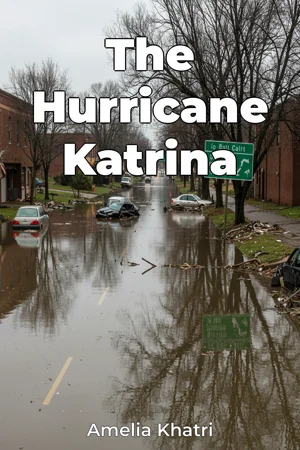
Imagine a modern American city submerged, its citizens stranded, and its infrastructure collapsing under the weight of a natural disaster. "The Hurricane Katrina" meticulously chronicles the catastrophic impact of Hurricane Katrina, the systemic failures in its wake, and the enduring legacy of this tragedy on New Orleans and the nation. This book delves into the convergence of meteorological force, governmental inadequacy, and social vulnerability that defined this pivotal moment in American history. This book primarily addresses three central themes. Firstly, the sheer destructive power of Hurricane Katrina itself, examining its formation, trajectory, and unprecedented storm surge. Secondly, the abysmal response at the local, state, and federal levels, scrutinizing the chain of command, resource allocation, and communication breakdowns that exacerbated the crisis. Thirdly, the lasting social, economic, and environmental consequences for New Orleans and its displaced population, detailing the slow recovery, persistent inequalities, and ongoing debates about rebuilding and resilience. These topics are significant because they expose critical vulnerabilities in disaster preparedness, emergency response, and social equity, demanding a reevaluation of these systems. To understand the full impact of Katrina, the book provides essential context. It explores the geographic vulnerability of New Orleans, situated below sea level and protected by a levee system that proved tragically inadequate. It also examines the social and economic disparities that disproportionately affected African American communities, who were most vulnerable to the storm’s impact and the subsequent failures of aid distribution. A basic understanding of hurricane dynamics, governmental structures, and social inequality will enhance the reader's comprehension. The central argument of "The Hurricane Katrina" is that the devastation of Hurricane Katrina was not solely a natural disaster, but a man-made catastrophe compounded by systemic failures of preparedness, response, and social justice. The book asserts that these failures exposed deep-seated inequalities and highlighted the urgent need for comprehensive reform in disaster management and social policy. The book is structured to provide a comprehensive analysis of the event. It begins with an introduction to the historical context of New Orleans and its relationship with hurricanes. The first section focuses on the science of Hurricane Katrina, tracing its formation and path. The second section meticulously examines the preparedness and response efforts, highlighting the breakdowns in communication and coordination among various agencies. The third section is dedicated to the aftermath of the storm, detailing the human cost, the struggles of displaced residents, and the long-term rebuilding efforts. The book culminates with an analysis of the lessons learned and recommendations for improving future disaster response and promoting social resilience. The book draws upon a range of primary and secondary sources, including government reports, investigative journalism, academic studies, and personal narratives from survivors, first responders, and government officials. Unique data sources, such as detailed analyses of levee failures and surveys of displaced residents, provide valuable insights into the event. "The Hurricane Katrina" has strong interdisciplinary connections. It intersects with meteorology and environmental science in examining the storm's physical characteristics and environmental impact. It connects with political science and public administration in analyzing the governmental response and policy failures. It also relates to sociology and urban studies in exploring the social inequalities and urban planning challenges revealed by the disaster. This book adopts a fact-based, analytical approach, presenting information in a clear and accessible manner, while maintaining academic rigor. The narrative incorporates compelling personal stories to illustrate the human impact. "The Hurricane Katrina" is intended for a broad audience, including students, policymakers, researchers, and anyone interested in understanding the complexities of disaster management, social vulnerability, and American history. It offers valuable insights for those seeking to learn from the past and build a more resilient future. As Current Events and History, this book adheres to standards of accuracy, objectivity, and thoroughness. The scope of the book is limited to the events surrounding Hurricane Katrina and its immediate aftermath. The book does not delve into broader issues of climate change or global disaster management beyond the direct implications of the Katrina experience. The information presented can be applied practically to improve individual and community preparedness for future disasters, inform policy decisions related to disaster response, and promote greater social equity in disaster relief efforts. The book acknowledges ongoing debates surrounding the causes and consequences of Hurricane Katrina, including controversies related to the role of government, the effectiveness of the levee system, and the pace and fairness of the recovery process. The book presents a balanced view of these debates, drawing upon diverse perspectives and evidence.
Imagine a modern American city submerged, its citizens stranded, and its infrastructure collapsing under the weight of a natural disaster. "The Hurricane Katrina" meticulously chronicles the catastrophic impact of Hurricane Katrina, the systemic failures in its wake, and the enduring legacy of this tragedy on New Orleans and the nation. This book delves into the convergence of meteorological force, governmental inadequacy, and social vulnerability that defined this pivotal moment in American history. This book primarily addresses three central themes. Firstly, the sheer destructive power of Hurricane Katrina itself, examining its formation, trajectory, and unprecedented storm surge. Secondly, the abysmal response at the local, state, and federal levels, scrutinizing the chain of command, resource allocation, and communication breakdowns that exacerbated the crisis. Thirdly, the lasting social, economic, and environmental consequences for New Orleans and its displaced population, detailing the slow recovery, persistent inequalities, and ongoing debates about rebuilding and resilience. These topics are significant because they expose critical vulnerabilities in disaster preparedness, emergency response, and social equity, demanding a reevaluation of these systems. To understand the full impact of Katrina, the book provides essential context. It explores the geographic vulnerability of New Orleans, situated below sea level and protected by a levee system that proved tragically inadequate. It also examines the social and economic disparities that disproportionately affected African American communities, who were most vulnerable to the storm’s impact and the subsequent failures of aid distribution. A basic understanding of hurricane dynamics, governmental structures, and social inequality will enhance the reader's comprehension. The central argument of "The Hurricane Katrina" is that the devastation of Hurricane Katrina was not solely a natural disaster, but a man-made catastrophe compounded by systemic failures of preparedness, response, and social justice. The book asserts that these failures exposed deep-seated inequalities and highlighted the urgent need for comprehensive reform in disaster management and social policy. The book is structured to provide a comprehensive analysis of the event. It begins with an introduction to the historical context of New Orleans and its relationship with hurricanes. The first section focuses on the science of Hurricane Katrina, tracing its formation and path. The second section meticulously examines the preparedness and response efforts, highlighting the breakdowns in communication and coordination among various agencies. The third section is dedicated to the aftermath of the storm, detailing the human cost, the struggles of displaced residents, and the long-term rebuilding efforts. The book culminates with an analysis of the lessons learned and recommendations for improving future disaster response and promoting social resilience. The book draws upon a range of primary and secondary sources, including government reports, investigative journalism, academic studies, and personal narratives from survivors, first responders, and government officials. Unique data sources, such as detailed analyses of levee failures and surveys of displaced residents, provide valuable insights into the event. "The Hurricane Katrina" has strong interdisciplinary connections. It intersects with meteorology and environmental science in examining the storm's physical characteristics and environmental impact. It connects with political science and public administration in analyzing the governmental response and policy failures. It also relates to sociology and urban studies in exploring the social inequalities and urban planning challenges revealed by the disaster. This book adopts a fact-based, analytical approach, presenting information in a clear and accessible manner, while maintaining academic rigor. The narrative incorporates compelling personal stories to illustrate the human impact. "The Hurricane Katrina" is intended for a broad audience, including students, policymakers, researchers, and anyone interested in understanding the complexities of disaster management, social vulnerability, and American history. It offers valuable insights for those seeking to learn from the past and build a more resilient future. As Current Events and History, this book adheres to standards of accuracy, objectivity, and thoroughness. The scope of the book is limited to the events surrounding Hurricane Katrina and its immediate aftermath. The book does not delve into broader issues of climate change or global disaster management beyond the direct implications of the Katrina experience. The information presented can be applied practically to improve individual and community preparedness for future disasters, inform policy decisions related to disaster response, and promote greater social equity in disaster relief efforts. The book acknowledges ongoing debates surrounding the causes and consequences of Hurricane Katrina, including controversies related to the role of government, the effectiveness of the levee system, and the pace and fairness of the recovery process. The book presents a balanced view of these debates, drawing upon diverse perspectives and evidence.
"The Hurricane Katrina" chronicles the devastating impact of Hurricane Katrina on New Orleans and the United States, highlighting the convergence of a powerful natural disaster, governmental shortcomings, and existing social vulnerabilities. The book examines the storm's unprecedented storm surge and the subsequent levee failures that submerged the city. It also scrutinizes the inadequate emergency response at all levels of government, revealing critical breakdowns in communication and resource allocation. The book emphasizes the disproportionate impact on African American communities, exposing deep-seated inequalities in disaster preparedness and relief efforts. The book is structured to provide a comprehensive analysis, beginning with the historical context of New Orleans and the science behind the hurricane. It then meticulously examines the failures in preparedness and response, followed by a detailed account of the storm's aftermath, the struggles of displaced residents, and the long-term rebuilding efforts. By drawing upon government reports, investigative journalism, and personal narratives, the book offers a fact-based, analytical account of the systemic failures that transformed a natural hazard into a man-made catastrophe, ultimately providing valuable lessons for improving future disaster management and promoting social resilience.
Book Details
ISBN
9788233966324
Publisher
Publifye AS
Your Licenses
You don't own any licenses for this book
Purchase a license below to unlock this book and download the EPUB.
Purchase License
Select a tier to unlock this book
Need bulk licensing?
Contact us for enterprise agreements.