
About This Book
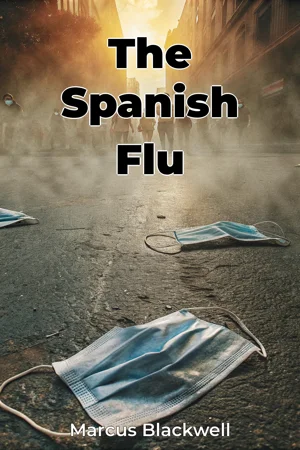
Imagine a world brought to its knees, not by war, but by an invisible enemy. This book, *The Spanish Flu*, explores the catastrophic 1918 influenza pandemic, an event that infected an estimated 500 million people worldwide and resulted in the deaths of tens of millions. It delves into the origins, spread, and lasting consequences of this global health crisis, demonstrating how it fundamentally reshaped societies and continues to inform our understanding of infectious diseases. This book examines three central themes: the science of the virus itself, the socio-political factors that exacerbated its spread, and the enduring lessons learned from this period of intense global suffering. Understanding the influenza virus's unique characteristics, including its rapid mutation rate and virulence, is crucial to grasping the pandemic's devastating impact. Equally important are the wartime conditions, censorship, and inadequate public health infrastructure that facilitated the virus's dissemination. Finally, the book emphasizes the critical need for pandemic preparedness, robust public health systems, and international cooperation to prevent future catastrophes. To fully appreciate the magnitude of the 1918 pandemic, the book provides essential historical context, detailing the global landscape during World War I, a time of immense social upheaval and resource scarcity. Basic knowledge of virology and epidemiology will enhance the reader's understanding, although these concepts will be explained in accessible terms. The central argument of *The Spanish Flu* is that the 1918 pandemic was a watershed moment in global history that exposed the fragility of human societies in the face of infectious disease. The failure to contain the virus resulted from a confluence of scientific ignorance, political negligence, and social inequalities. Understanding this history is essential for informing contemporary public health strategies and ensuring a more resilient future. The book unfolds in a structured manner. It begins by introducing the historical context and the basic science of influenza viruses. Subsequent chapters trace the pandemic's origins, its global spread, and its impact on various populations. The book analyzes the responses of different governments and public health agencies, highlighting both successes and failures. The concluding chapters synthesize the lessons learned from the 1918 pandemic, emphasizing the importance of surveillance, prevention, and international collaboration in the face of emerging infectious diseases. Finally, it considers the implications for pandemic preparedness in the 21st century. *The Spanish Flu* supports its arguments with extensive research, drawing on primary sources such as medical records, government documents, newspaper articles, and personal accounts. It also incorporates findings from scientific studies, epidemiological analyses, and historical research. The book utilizes statistical data to illustrate the pandemic's mortality rates and geographical distribution. The book connects to the fields of public health, history, and political science. Its exploration of the virus's biological properties aligns with microbiology. The impacts on society, culture, and politics intersect with the discipline of history while an analysis of governmental responses aligns with political science. The book also touches upon the ethical considerations involved in pandemic response, bridging with the field of bioethics. This book adopts a fact-based approach, presenting information in a clear and accessible manner. It avoids sensationalism, instead of focusing on providing a comprehensive, evidence-based analysis of the pandemic. It offers a synthesis of scientific and historical perspectives, providing a balanced and insightful account of this global health crisis. *The Spanish Flu* is intended for a broad audience, including students, healthcare professionals, policymakers, history enthusiasts, and anyone interested in learning more about pandemics and global health. It offers valuable insights into the challenges of infectious disease control and highlights the importance of preparedness and prevention. The History World genre conventions are met through detailed, accurate historical accounts and documentation. The book satisfies Infectious Diseases genre elements through its scientific explanations of the virus, its transmission, and its impacts on public health. Finally, it addresses World History genre expectations through describing the global impact of the pandemic, including geographical distribution. The scope of *The Spanish Flu* is intentionally broad, covering the pandemic's global impact and its historical, social, and scientific dimensions. However, the book focuses on the key elements of the pandemic, omitting highly technical details that would be of interest only to specialists. The lessons learned from the 1918 pandemic are highly relevant to contemporary challenges. The book demonstrates how surveillance, prevention, and international collaboration are essential for mitigating the impact of future infectious disease outbreaks. The book acknowledges that there are ongoing debates about the precise origins of the 1918 influenza virus and the effectiveness of various public health interventions. It presents different perspectives on these issues, encouraging readers to critically evaluate the evidence and draw their conclusions.
Imagine a world brought to its knees, not by war, but by an invisible enemy. This book, *The Spanish Flu*, explores the catastrophic 1918 influenza pandemic, an event that infected an estimated 500 million people worldwide and resulted in the deaths of tens of millions. It delves into the origins, spread, and lasting consequences of this global health crisis, demonstrating how it fundamentally reshaped societies and continues to inform our understanding of infectious diseases. This book examines three central themes: the science of the virus itself, the socio-political factors that exacerbated its spread, and the enduring lessons learned from this period of intense global suffering. Understanding the influenza virus's unique characteristics, including its rapid mutation rate and virulence, is crucial to grasping the pandemic's devastating impact. Equally important are the wartime conditions, censorship, and inadequate public health infrastructure that facilitated the virus's dissemination. Finally, the book emphasizes the critical need for pandemic preparedness, robust public health systems, and international cooperation to prevent future catastrophes. To fully appreciate the magnitude of the 1918 pandemic, the book provides essential historical context, detailing the global landscape during World War I, a time of immense social upheaval and resource scarcity. Basic knowledge of virology and epidemiology will enhance the reader's understanding, although these concepts will be explained in accessible terms. The central argument of *The Spanish Flu* is that the 1918 pandemic was a watershed moment in global history that exposed the fragility of human societies in the face of infectious disease. The failure to contain the virus resulted from a confluence of scientific ignorance, political negligence, and social inequalities. Understanding this history is essential for informing contemporary public health strategies and ensuring a more resilient future. The book unfolds in a structured manner. It begins by introducing the historical context and the basic science of influenza viruses. Subsequent chapters trace the pandemic's origins, its global spread, and its impact on various populations. The book analyzes the responses of different governments and public health agencies, highlighting both successes and failures. The concluding chapters synthesize the lessons learned from the 1918 pandemic, emphasizing the importance of surveillance, prevention, and international collaboration in the face of emerging infectious diseases. Finally, it considers the implications for pandemic preparedness in the 21st century. *The Spanish Flu* supports its arguments with extensive research, drawing on primary sources such as medical records, government documents, newspaper articles, and personal accounts. It also incorporates findings from scientific studies, epidemiological analyses, and historical research. The book utilizes statistical data to illustrate the pandemic's mortality rates and geographical distribution. The book connects to the fields of public health, history, and political science. Its exploration of the virus's biological properties aligns with microbiology. The impacts on society, culture, and politics intersect with the discipline of history while an analysis of governmental responses aligns with political science. The book also touches upon the ethical considerations involved in pandemic response, bridging with the field of bioethics. This book adopts a fact-based approach, presenting information in a clear and accessible manner. It avoids sensationalism, instead of focusing on providing a comprehensive, evidence-based analysis of the pandemic. It offers a synthesis of scientific and historical perspectives, providing a balanced and insightful account of this global health crisis. *The Spanish Flu* is intended for a broad audience, including students, healthcare professionals, policymakers, history enthusiasts, and anyone interested in learning more about pandemics and global health. It offers valuable insights into the challenges of infectious disease control and highlights the importance of preparedness and prevention. The History World genre conventions are met through detailed, accurate historical accounts and documentation. The book satisfies Infectious Diseases genre elements through its scientific explanations of the virus, its transmission, and its impacts on public health. Finally, it addresses World History genre expectations through describing the global impact of the pandemic, including geographical distribution. The scope of *The Spanish Flu* is intentionally broad, covering the pandemic's global impact and its historical, social, and scientific dimensions. However, the book focuses on the key elements of the pandemic, omitting highly technical details that would be of interest only to specialists. The lessons learned from the 1918 pandemic are highly relevant to contemporary challenges. The book demonstrates how surveillance, prevention, and international collaboration are essential for mitigating the impact of future infectious disease outbreaks. The book acknowledges that there are ongoing debates about the precise origins of the 1918 influenza virus and the effectiveness of various public health interventions. It presents different perspectives on these issues, encouraging readers to critically evaluate the evidence and draw their conclusions.
*The Spanish Flu* explores the devastating 1918 influenza pandemic, a global health crisis that infected an estimated 500 million people and killed tens of millions. It examines the science behind the virus, the socio-political factors that exacerbated its spread, and the crucial lessons learned. The book highlights how wartime conditions and inadequate public health systems contributed to the pandemic's rapid dissemination. A key insight is the critical need for pandemic preparedness and international cooperation, principles vital for preventing future global health catastrophes. This book adopts a fact-based approach, providing essential historical context and explaining complex concepts in accessible terms. The narrative progresses by first introducing the historical landscape and the basics of influenza viruses. It then traces the pandemic's origins, global spread, and impact on various populations, analyzing governmental responses and public health measures. The concluding chapters synthesize the lessons learned, emphasizing the importance of surveillance, prevention, and international collaboration in the face of emerging infectious diseases.
Book Details
ISBN
9788233966263
Publisher
Publifye AS
Your Licenses
You don't own any licenses for this book
Purchase a license below to unlock this book and download the EPUB.
Purchase License
Select a tier to unlock this book
Need bulk licensing?
Contact us for enterprise agreements.