
About This Book
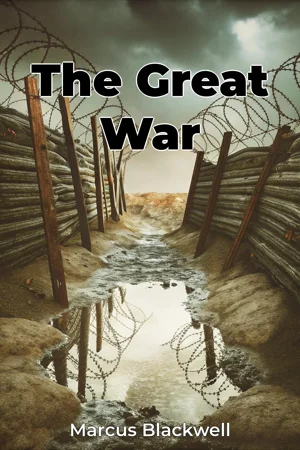
Can the echoes of a century-old conflict still resonate in our modern world? *The Great War* delves into the multifaceted causes, pivotal battles, and far-reaching consequences of World War I, revealing its profound and lasting impact on the trajectory of 20th and 21st-century history. We will explore not only the military engagements but also the complex web of political, social, and economic factors that ignited and sustained the conflict. Understanding these forces is crucial for comprehending the world we inhabit today, a world indelibly shaped by the events of 1914-1918. This book examines three key areas: the intricate system of alliances and rivalries that preceded the war, the brutal realities of trench warfare and technological advancements on the battlefield, and the enduring legacy of the war in terms of geopolitical shifts, social transformations, and cultural shifts. Each of these topics is explored in depth, providing readers with a holistic understanding of the conflict and its aftermath. Before 1914, Europe was a tinderbox of competing nationalisms, imperial ambitions, and secret treaties. This book will unpack the complex diplomatic landscape of the early 20th century, explaining how a single assassination in Sarajevo triggered a chain reaction that engulfed the continent in war. No prior knowledge beyond a basic understanding of European history is required, as we carefully build the historical context. The central argument of *The Great War* is that World War I was not simply a military conflict but a catalyst for profound and irreversible changes in the global order. It shattered empires, redrew maps, and ushered in an era of unprecedented social and political upheaval. Understanding this transformative power is essential for grappling with the challenges and complexities of the modern world. The book begins by examining the pre-war world, analyzing the underlying causes of the conflict, including nationalism, imperialism, militarism, and the alliance system. We then move to a detailed account of the major battles and campaigns, from the Marne to Verdun to the Somme, exploring the strategies, tactics, and human cost of warfare. The final section focuses on the aftermath of the war, examining the Treaty of Versailles, the rise of new ideologies, and the seeds of future conflicts. The book culminates with a discussion of the war's lasting impact on international relations, social structures, and cultural attitudes. This account relies on a wide range of primary and secondary sources, including official documents, personal diaries, letters, and scholarly analyses. It incorporates statistical data on casualties, economic costs, and resource mobilization to provide a comprehensive and data-driven account of the war. *The Great War* is not just military history; it also connects to the fields of political science, sociology, and economics. The book explores the political ideologies that fueled the war, the social consequences of mass mobilization and wartime propaganda, and the economic impact of the conflict on global trade and finance. These interdisciplinary connections enrich our understanding of the war's complexity and significance. This book offers a fresh perspective by focusing on the human experience of the war, drawing on personal accounts and narratives to bring the conflict to life. The narrative aims to provide a balanced and nuanced account of the war, avoiding simplistic generalizations and acknowledging the diverse perspectives of those who lived through it. Written in a clear and accessible style, *The Great War* is intended for a general audience interested in history, military affairs, and international relations. It will be invaluable for students, researchers, and anyone seeking a deeper understanding of this pivotal period in world history. As a history book, *The Great War* upholds the conventions of rigorous scholarship, including detailed citations, a comprehensive bibliography, and a commitment to factual accuracy. While the book provides a broad overview of the war, it focuses primarily on the European theater. It does not delve into the details of colonial warfare or the specific experiences of non-Western participants, although their broader contribution is acknowledged. Readers will gain a deeper understanding of the complexities of international relations and the dangers of unchecked nationalism. It provides valuable insights into the causes and consequences of war, which can inform contemporary debates about conflict resolution and global security. The real-world applications concern our current understanding of, for example, the conflict resolution in international relations. The book also addresses ongoing debates about the causes of the war, the responsibility of different nations, and the fairness of the Treaty of Versailles. A balanced perspective encourages critical thinking and informed discussion.
Can the echoes of a century-old conflict still resonate in our modern world? *The Great War* delves into the multifaceted causes, pivotal battles, and far-reaching consequences of World War I, revealing its profound and lasting impact on the trajectory of 20th and 21st-century history. We will explore not only the military engagements but also the complex web of political, social, and economic factors that ignited and sustained the conflict. Understanding these forces is crucial for comprehending the world we inhabit today, a world indelibly shaped by the events of 1914-1918. This book examines three key areas: the intricate system of alliances and rivalries that preceded the war, the brutal realities of trench warfare and technological advancements on the battlefield, and the enduring legacy of the war in terms of geopolitical shifts, social transformations, and cultural shifts. Each of these topics is explored in depth, providing readers with a holistic understanding of the conflict and its aftermath. Before 1914, Europe was a tinderbox of competing nationalisms, imperial ambitions, and secret treaties. This book will unpack the complex diplomatic landscape of the early 20th century, explaining how a single assassination in Sarajevo triggered a chain reaction that engulfed the continent in war. No prior knowledge beyond a basic understanding of European history is required, as we carefully build the historical context. The central argument of *The Great War* is that World War I was not simply a military conflict but a catalyst for profound and irreversible changes in the global order. It shattered empires, redrew maps, and ushered in an era of unprecedented social and political upheaval. Understanding this transformative power is essential for grappling with the challenges and complexities of the modern world. The book begins by examining the pre-war world, analyzing the underlying causes of the conflict, including nationalism, imperialism, militarism, and the alliance system. We then move to a detailed account of the major battles and campaigns, from the Marne to Verdun to the Somme, exploring the strategies, tactics, and human cost of warfare. The final section focuses on the aftermath of the war, examining the Treaty of Versailles, the rise of new ideologies, and the seeds of future conflicts. The book culminates with a discussion of the war's lasting impact on international relations, social structures, and cultural attitudes. This account relies on a wide range of primary and secondary sources, including official documents, personal diaries, letters, and scholarly analyses. It incorporates statistical data on casualties, economic costs, and resource mobilization to provide a comprehensive and data-driven account of the war. *The Great War* is not just military history; it also connects to the fields of political science, sociology, and economics. The book explores the political ideologies that fueled the war, the social consequences of mass mobilization and wartime propaganda, and the economic impact of the conflict on global trade and finance. These interdisciplinary connections enrich our understanding of the war's complexity and significance. This book offers a fresh perspective by focusing on the human experience of the war, drawing on personal accounts and narratives to bring the conflict to life. The narrative aims to provide a balanced and nuanced account of the war, avoiding simplistic generalizations and acknowledging the diverse perspectives of those who lived through it. Written in a clear and accessible style, *The Great War* is intended for a general audience interested in history, military affairs, and international relations. It will be invaluable for students, researchers, and anyone seeking a deeper understanding of this pivotal period in world history. As a history book, *The Great War* upholds the conventions of rigorous scholarship, including detailed citations, a comprehensive bibliography, and a commitment to factual accuracy. While the book provides a broad overview of the war, it focuses primarily on the European theater. It does not delve into the details of colonial warfare or the specific experiences of non-Western participants, although their broader contribution is acknowledged. Readers will gain a deeper understanding of the complexities of international relations and the dangers of unchecked nationalism. It provides valuable insights into the causes and consequences of war, which can inform contemporary debates about conflict resolution and global security. The real-world applications concern our current understanding of, for example, the conflict resolution in international relations. The book also addresses ongoing debates about the causes of the war, the responsibility of different nations, and the fairness of the Treaty of Versailles. A balanced perspective encourages critical thinking and informed discussion.
*The Great War* explores the causes, battles, and consequences of World War I, highlighting its lasting impact on the 20th and 21st centuries. It examines the intricate alliances, brutal realities of trench warfare and technological advancements, and the geopolitical and social transformations that followed. The book argues that the war was not merely a military conflict but a catalyst for irreversible changes in the global order, shattering empires and redrawing maps. Before 1914, Europe was a complex web of competing nationalisms and secret treaties, which the book unpacks to explain how a single assassination ignited the war. The book begins by examining the pre-war world and then moves to detailed accounts of major battles before focusing on the aftermath, including the Treaty of Versailles. Through a combination of primary and secondary sources, the book connects military history to political, social, and economic factors. This book offers a fresh perspective by focusing on the human experience of the war, drawing on personal accounts and narratives to bring the conflict to life. It provides a balanced and nuanced account of the war, avoiding simplistic generalizations and acknowledging the diverse perspectives of those who lived through it. Readers will gain a deeper understanding of the complexities of international relations and the dangers of unchecked nationalism.
Book Details
ISBN
9788233966249
Publisher
Publifye AS
Your Licenses
You don't own any licenses for this book
Purchase a license below to unlock this book and download the EPUB.
Purchase License
Select a tier to unlock this book
Need bulk licensing?
Contact us for enterprise agreements.