
About This Book
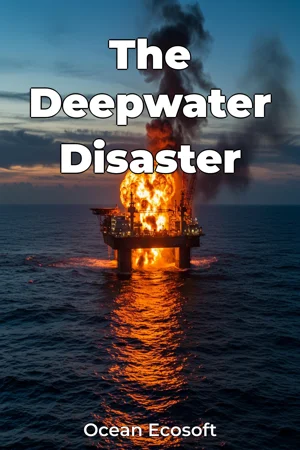
What happens when technological ambition clashes with the raw power of nature, resulting in one of the most devastating environmental disasters in history? "The Deepwater Disaster" delves into the intricate web of events that led to the 2010 Deepwater Horizon oil spill in the Gulf of Mexico, exploring its profound consequences and the enduring lessons it offers. This book examines three central topics. First, it dissects the technical failures and operational decisions that directly caused the explosion and subsequent spill. Second, it analyzes the regulatory oversight, or lack thereof, that permitted such high-risk practices to occur. Third, it investigates the far-reaching environmental and economic impacts of the disaster on the Gulf Coast region and beyond. These topics are crucial because they expose vulnerabilities in our energy infrastructure, highlight the importance of robust regulatory frameworks, and underscore the interconnectedness of human activities and the natural world. Understanding the Deepwater Horizon disaster requires considering the context of deepwater drilling technology, energy policy, and environmental conservation efforts in the early 21st century. Readers should be aware of basic concepts in petroleum engineering, environmental science, and government regulation to fully appreciate the complexities involved. The central argument of "The Deepwater Disaster" is that the spill was not simply an accident but a predictable outcome of systemic failures in risk management, regulatory enforcement, and corporate responsibility. It argues that without significant reforms, similar disasters are inevitable. This argument is vital because it challenges the prevailing narrative of isolated incidents and calls for a fundamental re-evaluation of our approach to offshore drilling and environmental protection. The book unfolds in several stages. It begins by introducing the players involved – BP, Transocean, Halliburton, and government agencies – and setting the scene of the Deepwater Horizon rig. The narrative then progresses to the crucial days leading up to the explosion, detailing the decisions and oversights that sealed its fate. Major sections cover the immediate aftermath of the spill, the attempts to contain it, and the extensive damage to marine ecosystems, coastal communities, and the fishing industry. Finally, the book culminates in an analysis of the legal battles, policy changes, and ongoing challenges in restoring the Gulf Coast. The evidence presented in this book draws from a range of sources, including government reports, investigative journalism, scientific studies, and firsthand accounts from those affected by the spill. It incorporates data from the National Commission on the Deepwater Horizon Oil Spill and Offshore Drilling, court documents, and peer-reviewed research on the environmental impacts of oil spills. "The Deepwater Disaster" connects to fields such as environmental law, economics, and political science, illuminating the legal and policy implications of environmental disasters, the economic consequences for affected communities, and the political dynamics that shape regulatory responses. This book adopts a narrative non-fiction style, weaving together technical details with human stories to create a compelling and accessible account of the disaster. It avoids technical jargon where possible, providing clear explanations of complex concepts, and aims to present a balanced perspective, acknowledging the competing interests and perspectives involved. The target audience includes students of environmental science, policy makers, industry professionals, and anyone concerned about the environment and the consequences of our energy choices. This book provides valuable insights into the risks of offshore drilling, the importance of environmental stewardship, and the need for effective regulation. As a work of history and environmental analysis, "The Deepwater Disaster" adheres to the conventions of thorough research, accurate reporting, and objective analysis. While the book strives to provide a comprehensive overview of the Deepwater Horizon disaster, its scope is limited to the events directly related to the spill and its immediate consequences. It does not delve into broader issues of climate change or global energy policy beyond their direct relevance to the disaster. The lessons from "The Deepwater Disaster" have practical applications for individuals, businesses, and policymakers alike. By understanding the causes and consequences of the spill, readers can make more informed decisions about energy consumption, support responsible environmental practices, and advocate for stronger regulations to protect our oceans and coasts. The book addresses ongoing debates about the safety of offshore drilling and the effectiveness of current regulations. By providing a detailed account of the Deepwater Horizon disaster, it aims to contribute to a more informed and productive discussion about how to balance our energy needs with the imperative to protect our environment.
What happens when technological ambition clashes with the raw power of nature, resulting in one of the most devastating environmental disasters in history? "The Deepwater Disaster" delves into the intricate web of events that led to the 2010 Deepwater Horizon oil spill in the Gulf of Mexico, exploring its profound consequences and the enduring lessons it offers. This book examines three central topics. First, it dissects the technical failures and operational decisions that directly caused the explosion and subsequent spill. Second, it analyzes the regulatory oversight, or lack thereof, that permitted such high-risk practices to occur. Third, it investigates the far-reaching environmental and economic impacts of the disaster on the Gulf Coast region and beyond. These topics are crucial because they expose vulnerabilities in our energy infrastructure, highlight the importance of robust regulatory frameworks, and underscore the interconnectedness of human activities and the natural world. Understanding the Deepwater Horizon disaster requires considering the context of deepwater drilling technology, energy policy, and environmental conservation efforts in the early 21st century. Readers should be aware of basic concepts in petroleum engineering, environmental science, and government regulation to fully appreciate the complexities involved. The central argument of "The Deepwater Disaster" is that the spill was not simply an accident but a predictable outcome of systemic failures in risk management, regulatory enforcement, and corporate responsibility. It argues that without significant reforms, similar disasters are inevitable. This argument is vital because it challenges the prevailing narrative of isolated incidents and calls for a fundamental re-evaluation of our approach to offshore drilling and environmental protection. The book unfolds in several stages. It begins by introducing the players involved – BP, Transocean, Halliburton, and government agencies – and setting the scene of the Deepwater Horizon rig. The narrative then progresses to the crucial days leading up to the explosion, detailing the decisions and oversights that sealed its fate. Major sections cover the immediate aftermath of the spill, the attempts to contain it, and the extensive damage to marine ecosystems, coastal communities, and the fishing industry. Finally, the book culminates in an analysis of the legal battles, policy changes, and ongoing challenges in restoring the Gulf Coast. The evidence presented in this book draws from a range of sources, including government reports, investigative journalism, scientific studies, and firsthand accounts from those affected by the spill. It incorporates data from the National Commission on the Deepwater Horizon Oil Spill and Offshore Drilling, court documents, and peer-reviewed research on the environmental impacts of oil spills. "The Deepwater Disaster" connects to fields such as environmental law, economics, and political science, illuminating the legal and policy implications of environmental disasters, the economic consequences for affected communities, and the political dynamics that shape regulatory responses. This book adopts a narrative non-fiction style, weaving together technical details with human stories to create a compelling and accessible account of the disaster. It avoids technical jargon where possible, providing clear explanations of complex concepts, and aims to present a balanced perspective, acknowledging the competing interests and perspectives involved. The target audience includes students of environmental science, policy makers, industry professionals, and anyone concerned about the environment and the consequences of our energy choices. This book provides valuable insights into the risks of offshore drilling, the importance of environmental stewardship, and the need for effective regulation. As a work of history and environmental analysis, "The Deepwater Disaster" adheres to the conventions of thorough research, accurate reporting, and objective analysis. While the book strives to provide a comprehensive overview of the Deepwater Horizon disaster, its scope is limited to the events directly related to the spill and its immediate consequences. It does not delve into broader issues of climate change or global energy policy beyond their direct relevance to the disaster. The lessons from "The Deepwater Disaster" have practical applications for individuals, businesses, and policymakers alike. By understanding the causes and consequences of the spill, readers can make more informed decisions about energy consumption, support responsible environmental practices, and advocate for stronger regulations to protect our oceans and coasts. The book addresses ongoing debates about the safety of offshore drilling and the effectiveness of current regulations. By providing a detailed account of the Deepwater Horizon disaster, it aims to contribute to a more informed and productive discussion about how to balance our energy needs with the imperative to protect our environment.
"The Deepwater Disaster" meticulously recounts the 2010 Deepwater Horizon oil spill, a pivotal environmental disaster in the Gulf of Mexico. It dissects the confluence of technological failures, lax regulatory oversight, and flawed corporate responsibility that culminated in the catastrophe. The book highlights the accident wasn't a mere isolated incident but a foreseeable consequence of systemic shortcomings, emphasizing the urgent need for reformed risk management and stringent environmental protection measures. It reminds us how deeply intertwined human actions are with the natural world. The book unfolds by introducing key players, analyzing decisions leading up to the explosion, and detailing the spill's devastating aftermath on marine ecosystems and coastal communities. It draws from government reports, scientific studies, and firsthand accounts to provide a comprehensive view. The narrative approach makes complex issues accessible, illustrating how the disaster exposed vulnerabilities in our energy infrastructure and the far-reaching impacts of such environmental disasters. The book progresses from the initial explosion to the legal battles and policy changes that followed, offering critical insights into the ongoing challenges of environmental restoration and energy policy.
Book Details
ISBN
9788233966218
Publisher
Publifye AS
Your Licenses
You don't own any licenses for this book
Purchase a license below to unlock this book and download the EPUB.
Purchase License
Select a tier to unlock this book
Need bulk licensing?
Contact us for enterprise agreements.