
About This Book
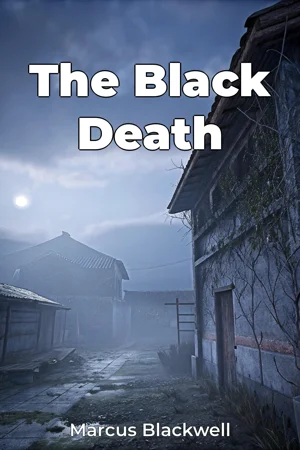
Imagine a world where death swept across continents, decimating populations and reshaping societies. "The Black Death" delves into this horrifying reality, exploring the origins, progression, and lasting consequences of the Bubonic Plague that ravaged the world in the mid-14th century. This book examines not only the medical and epidemiological aspects of the plague, but also its profound impact on social, economic, religious, and cultural structures. This historical event significantly altered the course of world history, making it crucial to understand its complexities. The main focus is three-fold: tracing the plague's origins and spread, analyzing its devastating effects on medieval society, and examining its long-term repercussions that continue to resonate today. Understanding the Black Death requires a grasp of the social and political landscape of the 14th century, the prevailing medical theories of the time (however inaccurate), and the rudimentary understanding of disease transmission. We investigate the conditions that allowed the plague to flourish – from crowded urban centers to long-distance trade routes. "The Black Death" argues that the plague was more than just a catastrophic mortality event; it served as a catalyst for profound societal transformations. The decimation of the workforce led to significant economic shifts, while the widespread questioning of religious authority helped pave the way for the Reformation. This book unfolds by first establishing the historical context and introducing the scientific understanding of *Yersinia pestis*, the bacterium responsible for the plague. Then, it meticulously chronicles the plague's journey from its likely origins in Central Asia, along the Silk Road, to its arrival in Europe via trade ships. A central section of the book provides a detailed account of the plague's impact on various aspects of medieval life, discussing effects on labor, agriculture, commerce, religious beliefs, and artistic expression. Finally, the text explores the plague's legacy, examining its impact on subsequent disease outbreaks and the gradual development of public health measures. The narrative is grounded in historical records, including chronicles, personal accounts, and administrative documents from across Europe and Asia. Archaeological evidence, such as mass burial sites and skeletal remains, provides further insights into the scale and nature of the epidemic. We integrate recent scientific studies, including genetic analysis of plague strains, to refine our understanding of the plague's origins and transmission. The study of the Black Death naturally intersects with other disciplines. It has connections to epidemiology, in understanding disease transmission and outbreak control; to economics, in understanding labor and resource management post-disaster; and to religious studies, by revealing the impact of widespread death on faith and mortality. These connections enhance the argument by offering a comprehensive view. This book presents a comprehensive narrative of the Black Death, drawing on diverse sources and interdisciplinary perspectives to offer a nuanced understanding of this pivotal event. It is written in a clear and accessible style, aiming to engage a broad audience interested in history, medicine, and the human condition. "The Black Death" is aimed toward anyone curious about world history, those interested in learning about infectious diseases, and individuals from an academic background. It is valuable to anyone for its overview of how a single event can profoundly alter the course of human civilization. As a work of non-fiction, "The Black Death" adheres to the standards of historical accuracy and academic rigor. While it strives for comprehensive coverage, it acknowledges the inevitable limitations of historical research and avoids oversimplification of complex events. The lessons learned from the Black Death remain relevant today, offering valuable insights into how societies cope with pandemics, the importance of public health infrastructure, and the enduring human capacity for resilience in the face of adversity. While the exact death toll of the Black Death remains a subject of debate, "The Black Death" acknowledges and addresses varying interpretations, providing a balanced and evidence-based assessment of the available data.
Imagine a world where death swept across continents, decimating populations and reshaping societies. "The Black Death" delves into this horrifying reality, exploring the origins, progression, and lasting consequences of the Bubonic Plague that ravaged the world in the mid-14th century. This book examines not only the medical and epidemiological aspects of the plague, but also its profound impact on social, economic, religious, and cultural structures. This historical event significantly altered the course of world history, making it crucial to understand its complexities. The main focus is three-fold: tracing the plague's origins and spread, analyzing its devastating effects on medieval society, and examining its long-term repercussions that continue to resonate today. Understanding the Black Death requires a grasp of the social and political landscape of the 14th century, the prevailing medical theories of the time (however inaccurate), and the rudimentary understanding of disease transmission. We investigate the conditions that allowed the plague to flourish – from crowded urban centers to long-distance trade routes. "The Black Death" argues that the plague was more than just a catastrophic mortality event; it served as a catalyst for profound societal transformations. The decimation of the workforce led to significant economic shifts, while the widespread questioning of religious authority helped pave the way for the Reformation. This book unfolds by first establishing the historical context and introducing the scientific understanding of *Yersinia pestis*, the bacterium responsible for the plague. Then, it meticulously chronicles the plague's journey from its likely origins in Central Asia, along the Silk Road, to its arrival in Europe via trade ships. A central section of the book provides a detailed account of the plague's impact on various aspects of medieval life, discussing effects on labor, agriculture, commerce, religious beliefs, and artistic expression. Finally, the text explores the plague's legacy, examining its impact on subsequent disease outbreaks and the gradual development of public health measures. The narrative is grounded in historical records, including chronicles, personal accounts, and administrative documents from across Europe and Asia. Archaeological evidence, such as mass burial sites and skeletal remains, provides further insights into the scale and nature of the epidemic. We integrate recent scientific studies, including genetic analysis of plague strains, to refine our understanding of the plague's origins and transmission. The study of the Black Death naturally intersects with other disciplines. It has connections to epidemiology, in understanding disease transmission and outbreak control; to economics, in understanding labor and resource management post-disaster; and to religious studies, by revealing the impact of widespread death on faith and mortality. These connections enhance the argument by offering a comprehensive view. This book presents a comprehensive narrative of the Black Death, drawing on diverse sources and interdisciplinary perspectives to offer a nuanced understanding of this pivotal event. It is written in a clear and accessible style, aiming to engage a broad audience interested in history, medicine, and the human condition. "The Black Death" is aimed toward anyone curious about world history, those interested in learning about infectious diseases, and individuals from an academic background. It is valuable to anyone for its overview of how a single event can profoundly alter the course of human civilization. As a work of non-fiction, "The Black Death" adheres to the standards of historical accuracy and academic rigor. While it strives for comprehensive coverage, it acknowledges the inevitable limitations of historical research and avoids oversimplification of complex events. The lessons learned from the Black Death remain relevant today, offering valuable insights into how societies cope with pandemics, the importance of public health infrastructure, and the enduring human capacity for resilience in the face of adversity. While the exact death toll of the Black Death remains a subject of debate, "The Black Death" acknowledges and addresses varying interpretations, providing a balanced and evidence-based assessment of the available data.
"The Black Death" explores the devastating Bubonic Plague of the 14th century, analyzing its origins, progression, and lasting consequences on world history. The book delves into how this infectious disease decimated populations, leading to significant economic shifts and a questioning of religious authority. One intriguing fact is the role of trade routes, like the Silk Road, in accelerating the plague's spread across continents. The book offers a comprehensive narrative grounded in historical records and recent scientific studies. It meticulously chronicles the plague's journey from Central Asia to Europe, detailing its profound impact on medieval society, affecting labor, agriculture, and even artistic expression. It also emphasizes the relevance of the Black Death in understanding modern pandemics and public health. By integrating epidemiology, economics, and religious studies, the book provides a nuanced understanding of this pivotal event. The book progresses by first establishing the 14th-century context and scientific understanding of *Yersinia pestis*. It then meticulously chronicles the plague's journey and impact and finally explores the plague's legacy. This approach makes it valuable for anyone interested in history, infectious diseases, and how single events can profoundly alter civilization.
Book Details
ISBN
9788233966188
Publisher
Publifye AS
Your Licenses
You don't own any licenses for this book
Purchase a license below to unlock this book and download the EPUB.
Purchase License
Select a tier to unlock this book
Need bulk licensing?
Contact us for enterprise agreements.