
About This Book
Imagine a city consumed by flames, its heart ripped out in a matter of days. "The Great Fire" delves into the catastrophic event that reshaped London in 1666, exploring the conflagration's causes, its devastating impact, and the remarkable reconstruction that followed. This book is significant because it reveals not only the physical destruction but also the social, economic, and political ramifications of this pivotal moment in history. The book examines several key topics. First, it meticulously investigates the conditions that made London vulnerable to such a fire – the densely packed wooden buildings, the narrow streets, and the lack of an effective firefighting force. Second, it details the fire itself, charting its rapid spread, the heroic efforts to combat it, and the immense destruction it wrought. Finally, it analyzes the rebuilding of London, focusing on the architectural innovations, the social changes, and the political maneuvering that shaped the new city. To fully understand the Great Fire, it is essential to consider the context of 17th-century London. The city was a bustling commercial center, but it was also plagued by poverty, disease, and inadequate infrastructure. The recent plague outbreak had already weakened the population and disrupted the economy. This book provides a backdrop, explaining the key figures like King Charles II and Samuel Pepys, and the events that paved the way for the disaster. The central argument of "The Great Fire" is that the fire, despite its immense destruction, served as a catalyst for modernization and progress in London. It forced a reassessment of urban planning, building codes, and social structures, ultimately leading to a safer, healthier, and more resilient city. This argument is important because it challenges the traditional narrative of the fire as solely a tragedy, highlighting its positive long-term consequences. The book is structured in three parts. Part one introduces the setting – 17th-century London – detailing its infrastructure, society, and political climate. Part two chronicles the fire itself, drawing on primary sources such as eyewitness accounts and official records to reconstruct the events of those fateful days. Part three examines the rebuilding efforts, exploring the architectural designs of Christopher Wren, the economic challenges of reconstruction, and the social and political consequences of the fire. The book concludes by considering the lessons learned from the Great Fire and their relevance to urban planning and disaster preparedness today. The arguments presented are supported by a variety of evidence, including official records, maps, architectural plans, personal letters, and diaries. Unique data sources, such as parish records and insurance claims, are used to reconstruct the extent of the damage and the impact on individual lives. This book draws connections to urban planning, architecture, and social history. The rebuilding of London, for example, demonstrates the importance of urban planning in creating resilient cities. The architectural designs of Christopher Wren reflect the influence of Renaissance ideals and the desire to create a grander, more modern city. The social consequences of the fire, such as the displacement of residents and the redistribution of wealth, shed light on the dynamics of social inequality. This book offers a fresh perspective by examining the Great Fire not simply as a destructive event but as a turning point in London's history. It highlights the resilience of the city and its people, and it demonstrates how a disaster can lead to positive change. The writing style is accessible and engaging, designed to appeal to a broad readership with an interest in history, urban studies, and disaster management. The target audience includes general readers interested in history, students studying British history or urban studies, and professionals working in fields such as urban planning, architecture, and disaster management. This book is valuable to them because it provides a comprehensive and insightful account of a pivotal event in London's history. The book adheres to the conventions of historical non-fiction, presenting a well-researched and documented account of the Great Fire. The scope of the book is limited to the events surrounding the fire and its immediate aftermath. It does not delve into broader aspects of 17th-century European history. The information in the book can be applied practically by readers interested in urban planning, disaster preparedness, and historical preservation. It offers valuable lessons about the importance of building codes, fire safety measures, and community resilience. One debate the book touches on is the extent to which the fire was preventable, and whether the authorities could have done more to mitigate the damage. "The Great Fire" offers a definitive account of a defining moment in London's history, revealing its lasting legacy and its relevance to the challenges facing cities today.
Imagine a city consumed by flames, its heart ripped out in a matter of days. "The Great Fire" delves into the catastrophic event that reshaped London in 1666, exploring the conflagration's causes, its devastating impact, and the remarkable reconstruction that followed. This book is significant because it reveals not only the physical destruction but also the social, economic, and political ramifications of this pivotal moment in history. The book examines several key topics. First, it meticulously investigates the conditions that made London vulnerable to such a fire – the densely packed wooden buildings, the narrow streets, and the lack of an effective firefighting force. Second, it details the fire itself, charting its rapid spread, the heroic efforts to combat it, and the immense destruction it wrought. Finally, it analyzes the rebuilding of London, focusing on the architectural innovations, the social changes, and the political maneuvering that shaped the new city. To fully understand the Great Fire, it is essential to consider the context of 17th-century London. The city was a bustling commercial center, but it was also plagued by poverty, disease, and inadequate infrastructure. The recent plague outbreak had already weakened the population and disrupted the economy. This book provides a backdrop, explaining the key figures like King Charles II and Samuel Pepys, and the events that paved the way for the disaster. The central argument of "The Great Fire" is that the fire, despite its immense destruction, served as a catalyst for modernization and progress in London. It forced a reassessment of urban planning, building codes, and social structures, ultimately leading to a safer, healthier, and more resilient city. This argument is important because it challenges the traditional narrative of the fire as solely a tragedy, highlighting its positive long-term consequences. The book is structured in three parts. Part one introduces the setting – 17th-century London – detailing its infrastructure, society, and political climate. Part two chronicles the fire itself, drawing on primary sources such as eyewitness accounts and official records to reconstruct the events of those fateful days. Part three examines the rebuilding efforts, exploring the architectural designs of Christopher Wren, the economic challenges of reconstruction, and the social and political consequences of the fire. The book concludes by considering the lessons learned from the Great Fire and their relevance to urban planning and disaster preparedness today. The arguments presented are supported by a variety of evidence, including official records, maps, architectural plans, personal letters, and diaries. Unique data sources, such as parish records and insurance claims, are used to reconstruct the extent of the damage and the impact on individual lives. This book draws connections to urban planning, architecture, and social history. The rebuilding of London, for example, demonstrates the importance of urban planning in creating resilient cities. The architectural designs of Christopher Wren reflect the influence of Renaissance ideals and the desire to create a grander, more modern city. The social consequences of the fire, such as the displacement of residents and the redistribution of wealth, shed light on the dynamics of social inequality. This book offers a fresh perspective by examining the Great Fire not simply as a destructive event but as a turning point in London's history. It highlights the resilience of the city and its people, and it demonstrates how a disaster can lead to positive change. The writing style is accessible and engaging, designed to appeal to a broad readership with an interest in history, urban studies, and disaster management. The target audience includes general readers interested in history, students studying British history or urban studies, and professionals working in fields such as urban planning, architecture, and disaster management. This book is valuable to them because it provides a comprehensive and insightful account of a pivotal event in London's history. The book adheres to the conventions of historical non-fiction, presenting a well-researched and documented account of the Great Fire. The scope of the book is limited to the events surrounding the fire and its immediate aftermath. It does not delve into broader aspects of 17th-century European history. The information in the book can be applied practically by readers interested in urban planning, disaster preparedness, and historical preservation. It offers valuable lessons about the importance of building codes, fire safety measures, and community resilience. One debate the book touches on is the extent to which the fire was preventable, and whether the authorities could have done more to mitigate the damage. "The Great Fire" offers a definitive account of a defining moment in London's history, revealing its lasting legacy and its relevance to the challenges facing cities today.
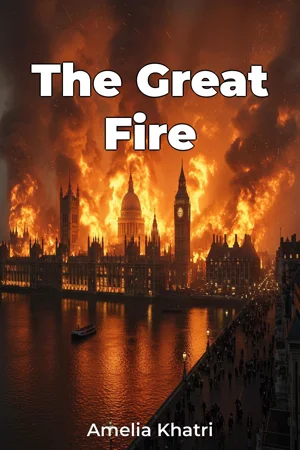
"The Great Fire" examines the catastrophic 1666 fire that devastated London, detailing its origins, impact, and the subsequent rebuilding efforts. It explores the vulnerable conditions of 17th-century London, such as densely packed wooden buildings and inadequate firefighting capabilities, which contributed to the rapid spread of the flames. The book highlights how the disaster, while destructive, acted as a catalyst for modernization, prompting significant changes in urban planning and building codes. The book progresses from setting the stage with a picture of 17th-century London to chronicling the fire itself, utilizing eyewitness accounts and official records. It then analyzes the reconstruction, focusing on architectural innovations led by Christopher Wren and the social and political consequences. A key insight is the fire's role in forcing a reassessment of urban planning, leading to a more resilient city. The narrative emphasizes not only the tragedy but also the long-term positive outcomes, making it a unique contribution to London history.
Book Details
ISBN
9788233966171
Publisher
Publifye AS
Your Licenses
You don't own any licenses for this book
Purchase a license below to unlock this book and download the EPUB.
Purchase License
Select a tier to unlock this book
Need bulk licensing?
Contact us for enterprise agreements.