
About This Book
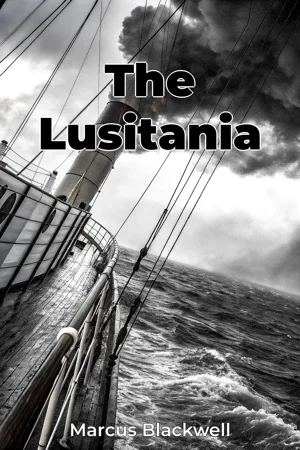
Could a single act of aggression change the course of a world war? "The Lusitania" delves into the complex and tragic story of the RMS Lusitania, a British ocean liner sunk by a German U-boat in 1915. This book examines the sinking, its profound influence on World War I, and the lingering questions that continue to surround this historical event. The Lusitania's story is important as it highlights the brutality of unrestricted submarine warfare and the shifting tides of public opinion during wartime, ultimately impacting the United States' decision to enter World War I. This exploration of the Lusitania will place the event within the broader context of early 20th-century naval warfare, international relations, and the propaganda battlefields of World War I. The reader will gain a foundational understanding of U-boat technology, the rules of engagement at sea, and the political climate that fueled the escalating conflict. Familiarity with the basic timeline of World War I will be helpful, but not necessary. The central argument posits that the sinking of the Lusitania, while a horrific tragedy in itself, served as a pivotal moment in shaping the global narrative of the war, galvanizing anti-German sentiment and ultimately providing a crucial justification for American intervention. This argument is critical because it challenges simplistic views of historical causality and reveals the complex interplay of human tragedy, political maneuvering, and public perception during times of war. The book will begin by introducing the Lusitania, its construction, and its role as a symbol of British maritime power. It will then detail the events leading up to its final voyage, including the escalating U-boat threat and the warnings issued to passengers. The core of the book focuses on the sinking itself, meticulously reconstructing the timeline of events through survivor accounts, naval records, and forensic analysis. Following the sinking, the work explores the international outcry, the diplomatic fallout between Germany and the United States, and the subsequent investigations and controversies surrounding the incident. The book culminates with an analysis of the Lusitania's long-term impact on the course of World War I and its lasting legacy as a symbol of wartime tragedy. To support its arguments, "The Lusitania" draws upon diverse sources, including official government documents from both Britain and Germany, transcripts of survivor testimonies, archived newspaper articles, and contemporary naval intelligence reports. The book also uses material from deep-sea expeditions to the wreck site. This compilation of evidence aims to provide a comprehensive and objective account of the events. The book connects to other fields such as international law (specifically the laws of naval warfare), media studies (examining wartime propaganda), and political science (analyzing the decision-making processes of nations during conflict). These interdisciplinary connections enrich the understanding of the event, providing a holistic perspective. A unique aspect of this book is its focus on separating fact from fiction, dispelling several myths that have grown around the Lusitania over the years. Based on available evidence, it examines the contested theories about the ship carrying munitions and the alleged conspiracies surrounding its sinking, and analyzes their influence on historical interpretations. "The Lusitania" adopts a narrative non-fiction style, presenting the information in a clear and engaging manner while maintaining rigorous historical accuracy. The tone is respectful and sensitive to the tragic loss of life, while also remaining objective in its analysis of the political and military contexts. The target audience includes readers interested in World War I history, naval history, and maritime disasters. It will appeal to anyone seeking a deeper understanding of the complexities of warfare and the human stories behind historical events. This book will be valuable for both casual readers and those with a background in history. As a history book, "The Lusitania" adheres to the conventions of meticulous research, source citation, and balanced analysis. It strives to present a complete picture of the topic. The book's scope is primarily focused on the sinking of the Lusitania and its immediate consequences during World War I. While it touches upon broader themes of naval warfare and international relations, it does not delve into the entirety of World War I history. The lessons learned from the Lusitania tragedy are applicable to understanding modern-day conflicts, particularly in relation to the ethical considerations of warfare, the impact of propaganda, and the importance of objective investigation. The sinking of the Lusitania remains a topic of debate, with opinions divided on the extent to which the British government may have deliberately endangered the ship to provoke American intervention. "The Lusitania" addresses these controversies head-on, presenting all sides and allowing readers to draw their own conclusions based on the evidence.
Could a single act of aggression change the course of a world war? "The Lusitania" delves into the complex and tragic story of the RMS Lusitania, a British ocean liner sunk by a German U-boat in 1915. This book examines the sinking, its profound influence on World War I, and the lingering questions that continue to surround this historical event. The Lusitania's story is important as it highlights the brutality of unrestricted submarine warfare and the shifting tides of public opinion during wartime, ultimately impacting the United States' decision to enter World War I. This exploration of the Lusitania will place the event within the broader context of early 20th-century naval warfare, international relations, and the propaganda battlefields of World War I. The reader will gain a foundational understanding of U-boat technology, the rules of engagement at sea, and the political climate that fueled the escalating conflict. Familiarity with the basic timeline of World War I will be helpful, but not necessary. The central argument posits that the sinking of the Lusitania, while a horrific tragedy in itself, served as a pivotal moment in shaping the global narrative of the war, galvanizing anti-German sentiment and ultimately providing a crucial justification for American intervention. This argument is critical because it challenges simplistic views of historical causality and reveals the complex interplay of human tragedy, political maneuvering, and public perception during times of war. The book will begin by introducing the Lusitania, its construction, and its role as a symbol of British maritime power. It will then detail the events leading up to its final voyage, including the escalating U-boat threat and the warnings issued to passengers. The core of the book focuses on the sinking itself, meticulously reconstructing the timeline of events through survivor accounts, naval records, and forensic analysis. Following the sinking, the work explores the international outcry, the diplomatic fallout between Germany and the United States, and the subsequent investigations and controversies surrounding the incident. The book culminates with an analysis of the Lusitania's long-term impact on the course of World War I and its lasting legacy as a symbol of wartime tragedy. To support its arguments, "The Lusitania" draws upon diverse sources, including official government documents from both Britain and Germany, transcripts of survivor testimonies, archived newspaper articles, and contemporary naval intelligence reports. The book also uses material from deep-sea expeditions to the wreck site. This compilation of evidence aims to provide a comprehensive and objective account of the events. The book connects to other fields such as international law (specifically the laws of naval warfare), media studies (examining wartime propaganda), and political science (analyzing the decision-making processes of nations during conflict). These interdisciplinary connections enrich the understanding of the event, providing a holistic perspective. A unique aspect of this book is its focus on separating fact from fiction, dispelling several myths that have grown around the Lusitania over the years. Based on available evidence, it examines the contested theories about the ship carrying munitions and the alleged conspiracies surrounding its sinking, and analyzes their influence on historical interpretations. "The Lusitania" adopts a narrative non-fiction style, presenting the information in a clear and engaging manner while maintaining rigorous historical accuracy. The tone is respectful and sensitive to the tragic loss of life, while also remaining objective in its analysis of the political and military contexts. The target audience includes readers interested in World War I history, naval history, and maritime disasters. It will appeal to anyone seeking a deeper understanding of the complexities of warfare and the human stories behind historical events. This book will be valuable for both casual readers and those with a background in history. As a history book, "The Lusitania" adheres to the conventions of meticulous research, source citation, and balanced analysis. It strives to present a complete picture of the topic. The book's scope is primarily focused on the sinking of the Lusitania and its immediate consequences during World War I. While it touches upon broader themes of naval warfare and international relations, it does not delve into the entirety of World War I history. The lessons learned from the Lusitania tragedy are applicable to understanding modern-day conflicts, particularly in relation to the ethical considerations of warfare, the impact of propaganda, and the importance of objective investigation. The sinking of the Lusitania remains a topic of debate, with opinions divided on the extent to which the British government may have deliberately endangered the ship to provoke American intervention. "The Lusitania" addresses these controversies head-on, presenting all sides and allowing readers to draw their own conclusions based on the evidence.
"The Lusitania" explores the tragic sinking of the RMS Lusitania by a German U-boat during World War I and its considerable impact on global events. As a symbol of British maritime power, the Lusitania's demise significantly influenced American intervention in the war, fueled by public outrage and shifting international relations. The book investigates the controversial circumstances surrounding the sinking, including questions about wartime propaganda and potential munitions onboard, separating fact from long-standing fiction. Beginning with the ship's construction and role, the narrative progresses to the events of its final voyage and the U-boat threat. Through survivor accounts and naval records, the book reconstructs the sinking itself before examining the international outcry and diplomatic fallout. By delving into official documents and deep-sea expeditions, "The Lusitania" offers a comprehensive account of a pivotal moment in military history, highlighting its lasting legacy and relevance to understanding modern conflicts.
Book Details
ISBN
9788233966140
Publisher
Publifye AS
Your Licenses
You don't own any licenses for this book
Purchase a license below to unlock this book and download the EPUB.
Purchase License
Select a tier to unlock this book
Need bulk licensing?
Contact us for enterprise agreements.