
About This Book
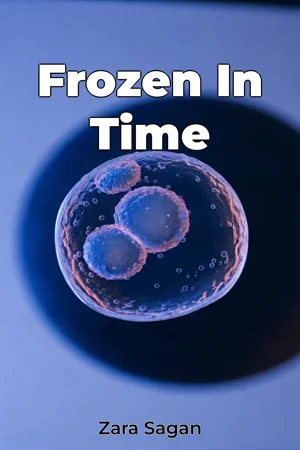
Could the secret to immortality lie not in ancient myths or futuristic fantasies, but in the chilling embrace of cryopreservation? "Frozen In Time" delves into the contentious yet compelling world of cryonics, exploring the science, the possibilities, and the profound ethical questions surrounding the practice of freezing humans with the hope of future revival. This book examines whether suspended animation, once relegated to science fiction, is becoming a tangible reality, and dissects the biological underpinnings that support or refute its feasibility. We embark on a journey through the history of cryonics, from its conceptual origins to the present day. The book navigates the field's key concepts, including vitrification – the process of cooling tissues to a glassy state to prevent ice crystal formation – and the challenges of long-term storage and potential cellular damage. We'll unpack the scientific principles of cryopreservation, analyzing the mechanisms by which cells and tissues respond to extreme cold and the strategies employed to minimize harm. The central argument of "Frozen In Time" revolves around the realistic potential and significant limitations of cryonics as it stands today. It posits that while advancements in cryopreservation technology have made significant strides, the prospect of successful revival remains speculative and contingent on unforeseen breakthroughs in regenerative medicine and nanotechnology. The book emphasizes the need for a balanced and informed perspective, acknowledging both the potential benefits and the inherent uncertainties of the endeavor. The book's structure is designed to progressively build understanding. It begins by establishing the biological framework, explaining the science of cellular damage and repair mechanisms. It then transitions into an examination of the historical context, detailing the evolution of cryonics and the key figures who shaped its trajectory. From there, the book explores the current state of cryopreservation technology, examining the methods and equipment used, and then presents a balanced view of arguments from both proponents and skeptics of cryonics. Finally, it concludes with a discussion of the ethical, legal, and societal implications of human cryopreservation. The analysis is grounded in scientific literature, case studies of cryopreserved organisms (including insects, small animals, and human tissues), and interviews with researchers, cryobiologists, and members of the cryonics community. The book will critically evaluate published research, scrutinize claims made by cryonics organizations, and present a comprehensive overview of the available data. "Frozen In Time" also explores the interdisciplinary nature of cryonics, connecting it to fields such as regenerative medicine, nanotechnology, and biophysics. Understanding the potential role of nanotechnology in repairing cellular damage, or the application of regenerative medicine techniques to restore tissue function connects the core concepts to fields that can make or break the future potential of cryonics.. We examine the societal and ethical implications, drawing on philosophy and bioethics to address questions of identity, consciousness, and the right to life. The book’s approach is both rigorous and accessible, providing a clear and concise explanation of complex scientific concepts without sacrificing accuracy. The writing style is informative and objective, presenting different perspectives on cryonics without bias. The intended audience comprises science enthusiasts, students of biology and medicine, and anyone curious about the frontiers of science and the possibilities of extended life. The scope of "Frozen In Time" primarily focuses on the biological and technological aspects of cryonics, with a secondary examination of its ethical and societal consequences. It does not delve into the philosophical arguments about the nature of death, the soul, or the afterlife. While the possibility of human revival currently remains theoretical, the knowledge and technologies developed in cryopreservation have practical applications in fields such as organ preservation for transplantation, cell banking for research and therapy, and the preservation of endangered species. The book addresses the controversies surrounding cryonics, including the lack of scientific consensus on its feasibility, the financial risks involved, and the potential for exploitation.
Could the secret to immortality lie not in ancient myths or futuristic fantasies, but in the chilling embrace of cryopreservation? "Frozen In Time" delves into the contentious yet compelling world of cryonics, exploring the science, the possibilities, and the profound ethical questions surrounding the practice of freezing humans with the hope of future revival. This book examines whether suspended animation, once relegated to science fiction, is becoming a tangible reality, and dissects the biological underpinnings that support or refute its feasibility. We embark on a journey through the history of cryonics, from its conceptual origins to the present day. The book navigates the field's key concepts, including vitrification – the process of cooling tissues to a glassy state to prevent ice crystal formation – and the challenges of long-term storage and potential cellular damage. We'll unpack the scientific principles of cryopreservation, analyzing the mechanisms by which cells and tissues respond to extreme cold and the strategies employed to minimize harm. The central argument of "Frozen In Time" revolves around the realistic potential and significant limitations of cryonics as it stands today. It posits that while advancements in cryopreservation technology have made significant strides, the prospect of successful revival remains speculative and contingent on unforeseen breakthroughs in regenerative medicine and nanotechnology. The book emphasizes the need for a balanced and informed perspective, acknowledging both the potential benefits and the inherent uncertainties of the endeavor. The book's structure is designed to progressively build understanding. It begins by establishing the biological framework, explaining the science of cellular damage and repair mechanisms. It then transitions into an examination of the historical context, detailing the evolution of cryonics and the key figures who shaped its trajectory. From there, the book explores the current state of cryopreservation technology, examining the methods and equipment used, and then presents a balanced view of arguments from both proponents and skeptics of cryonics. Finally, it concludes with a discussion of the ethical, legal, and societal implications of human cryopreservation. The analysis is grounded in scientific literature, case studies of cryopreserved organisms (including insects, small animals, and human tissues), and interviews with researchers, cryobiologists, and members of the cryonics community. The book will critically evaluate published research, scrutinize claims made by cryonics organizations, and present a comprehensive overview of the available data. "Frozen In Time" also explores the interdisciplinary nature of cryonics, connecting it to fields such as regenerative medicine, nanotechnology, and biophysics. Understanding the potential role of nanotechnology in repairing cellular damage, or the application of regenerative medicine techniques to restore tissue function connects the core concepts to fields that can make or break the future potential of cryonics.. We examine the societal and ethical implications, drawing on philosophy and bioethics to address questions of identity, consciousness, and the right to life. The book’s approach is both rigorous and accessible, providing a clear and concise explanation of complex scientific concepts without sacrificing accuracy. The writing style is informative and objective, presenting different perspectives on cryonics without bias. The intended audience comprises science enthusiasts, students of biology and medicine, and anyone curious about the frontiers of science and the possibilities of extended life. The scope of "Frozen In Time" primarily focuses on the biological and technological aspects of cryonics, with a secondary examination of its ethical and societal consequences. It does not delve into the philosophical arguments about the nature of death, the soul, or the afterlife. While the possibility of human revival currently remains theoretical, the knowledge and technologies developed in cryopreservation have practical applications in fields such as organ preservation for transplantation, cell banking for research and therapy, and the preservation of endangered species. The book addresses the controversies surrounding cryonics, including the lack of scientific consensus on its feasibility, the financial risks involved, and the potential for exploitation.
"Frozen In Time" explores the fascinating and controversial field of cryonics, the practice of cryopreservation with the hope of future revival. It delves into the science behind freezing humans, examining the biological challenges and potential breakthroughs needed for successful reanimation. The book explores the history of cryonics, from its conceptual beginnings to current techniques like vitrification, which aims to prevent ice crystal formation during cooling. This exploration highlights intriguing facts, such as the cellular damage that occurs during freezing and thawing, and the potential role of regenerative medicine and nanotechnology in repairing this damage. The book also examines the ethical implications, legal issues, and societal impact of pursuing such extreme measures. It progresses logically, starting with biological foundations, then moving through historical context, current technologies, and finally, ethical considerations. The book uniquely presents a balanced view of cryonics, acknowledging both its promise and its limitations. It emphasizes that while cryopreservation technology has advanced, successful revival remains speculative. By grounding its analysis in scientific literature and expert interviews, "Frozen In Time" offers a comprehensive overview of the science, controversies, and future prospects of this intriguing field, making it valuable for science enthusiasts and anyone curious about the possibilities of extended life.
Book Details
ISBN
9788233966072
Publisher
Publifye AS
Your Licenses
You don't own any licenses for this book
Purchase a license below to unlock this book and download the EPUB.
Purchase License
Select a tier to unlock this book
Need bulk licensing?
Contact us for enterprise agreements.