
About This Book
Imagine a future where long-duration space travel doesn't necessitate the debilitating effects of weightlessness. This book, *Artificial Gravity*, delves into the captivating possibility of creating artificial gravity and why it is not just a scientific curiosity, but a critical necessity for the future of space exploration and human habitation beyond Earth. We will embark on a comprehensive exploration of the physics underpinning artificial gravity, meticulously examining various proposed methods for its creation, and evaluating their feasibility based on current technological capabilities. Our primary focus will be on two dominant approaches: rotating structures and linear acceleration. The book will rigorously analyze the engineering challenges, physiological effects, and potential benefits associated with each method. These topics are significant because the prolonged absence of gravity presents severe health risks to astronauts, including bone density loss, muscle atrophy, cardiovascular deconditioning, and sensory-motor impairments, potentially jeopardizing mission success and the long-term well-being of space travelers. Setting the stage with a review of the history of gravity research from Newton to Einstein, we will also explore the biological effects of microgravity as observed in previous space missions, providing critical context for understanding the urgent need for artificial gravity solutions. No prior expertise in physics or aerospace engineering is required; the book is written to be accessible to any reader with a curious mind and an interest in space exploration. The central argument of this book is that artificial gravity is an indispensable element for enabling sustainable and healthy long-duration space missions, including interplanetary travel and the establishment of permanent space settlements. We will demonstrate that investing in the research and development of artificial gravity technologies is not merely a futuristic aspiration but a pragmatic imperative for unlocking the full potential of space exploration and ensuring the long-term survival of humanity beyond Earth. The book will proceed systematically, first introducing the fundamental principles of gravity and inertia. Then, it will explore different artificial gravity concepts, evaluating their theoretical foundations and practical limitations. Major sections include: 1. The Physics of Rotation: Exploring how centripetal force can mimic the effects of gravity in rotating habitats, analyzing various designs (e.g., rotating space stations, centrifuges) and addressing concerns such as the Coriolis effect. 2. Linear Acceleration: Examining the use of constant acceleration to simulate gravity during interplanetary travel, discussing the energy requirements and technological challenges involved in maintaining sustained acceleration. 3. Physiological Considerations: Investigating the human body's response to artificial gravity, addressing potential side effects, and outlining strategies for optimizing artificial gravity environments to promote astronaut health and well-being. The culmination of the argument will present a comparative analysis of different artificial gravity approaches, weighing their respective advantages and disadvantages, and offering recommendations for future research and development priorities. Finally, the book will discuss the practical applications of artificial gravity, including its potential use in space tourism, lunar and Martian settlements, and even terrestrial applications for individuals with mobility impairments. Our analysis will draw upon a wide range of sources, including peer-reviewed scientific articles, NASA technical reports, engineering design studies, and data from human spaceflight experiments. In particular, we will examine data from long-duration missions aboard the International Space Station to assess the impact of microgravity on astronaut health and performance. *Artificial Gravity* uniquely connects physics, engineering, medicine, and space exploration, providing a holistic understanding of the challenges and opportunities associated with creating artificial gravity. It relates to fields like biomechanics and human physiology when studying how human bodies react to different levels of artificial gravity. The book is written in an accessible, yet authoritative style, aiming to bridge the gap between scientific research and public understanding. The intended audience includes students, researchers, engineers, policymakers, and anyone fascinated by the prospect of space colonization and the future of human spaceflight. The book will be valuable to readers seeking a comprehensive and balanced overview of the scientific, technological, and medical aspects of artificial gravity. As a work of science and science physics, it adheres to the genre's convention of presenting factual information, evidence-based arguments, and rigorous analysis. The scope of the book is limited to the scientific and technological aspects of artificial gravity. It will not delve into the social, political, or ethical implications of space colonization in detail. The book will address existing controversies such as the optimal level of artificial gravity required for human health and the potential long-term effects of living in artificial gravity environments. Ultimately, this book aims to illuminate the path towards a future where artificial gravity enables humans to thrive in the vast expanse of space, pushing the boundaries of exploration and discovery.
Imagine a future where long-duration space travel doesn't necessitate the debilitating effects of weightlessness. This book, *Artificial Gravity*, delves into the captivating possibility of creating artificial gravity and why it is not just a scientific curiosity, but a critical necessity for the future of space exploration and human habitation beyond Earth. We will embark on a comprehensive exploration of the physics underpinning artificial gravity, meticulously examining various proposed methods for its creation, and evaluating their feasibility based on current technological capabilities. Our primary focus will be on two dominant approaches: rotating structures and linear acceleration. The book will rigorously analyze the engineering challenges, physiological effects, and potential benefits associated with each method. These topics are significant because the prolonged absence of gravity presents severe health risks to astronauts, including bone density loss, muscle atrophy, cardiovascular deconditioning, and sensory-motor impairments, potentially jeopardizing mission success and the long-term well-being of space travelers. Setting the stage with a review of the history of gravity research from Newton to Einstein, we will also explore the biological effects of microgravity as observed in previous space missions, providing critical context for understanding the urgent need for artificial gravity solutions. No prior expertise in physics or aerospace engineering is required; the book is written to be accessible to any reader with a curious mind and an interest in space exploration. The central argument of this book is that artificial gravity is an indispensable element for enabling sustainable and healthy long-duration space missions, including interplanetary travel and the establishment of permanent space settlements. We will demonstrate that investing in the research and development of artificial gravity technologies is not merely a futuristic aspiration but a pragmatic imperative for unlocking the full potential of space exploration and ensuring the long-term survival of humanity beyond Earth. The book will proceed systematically, first introducing the fundamental principles of gravity and inertia. Then, it will explore different artificial gravity concepts, evaluating their theoretical foundations and practical limitations. Major sections include: 1. The Physics of Rotation: Exploring how centripetal force can mimic the effects of gravity in rotating habitats, analyzing various designs (e.g., rotating space stations, centrifuges) and addressing concerns such as the Coriolis effect. 2. Linear Acceleration: Examining the use of constant acceleration to simulate gravity during interplanetary travel, discussing the energy requirements and technological challenges involved in maintaining sustained acceleration. 3. Physiological Considerations: Investigating the human body's response to artificial gravity, addressing potential side effects, and outlining strategies for optimizing artificial gravity environments to promote astronaut health and well-being. The culmination of the argument will present a comparative analysis of different artificial gravity approaches, weighing their respective advantages and disadvantages, and offering recommendations for future research and development priorities. Finally, the book will discuss the practical applications of artificial gravity, including its potential use in space tourism, lunar and Martian settlements, and even terrestrial applications for individuals with mobility impairments. Our analysis will draw upon a wide range of sources, including peer-reviewed scientific articles, NASA technical reports, engineering design studies, and data from human spaceflight experiments. In particular, we will examine data from long-duration missions aboard the International Space Station to assess the impact of microgravity on astronaut health and performance. *Artificial Gravity* uniquely connects physics, engineering, medicine, and space exploration, providing a holistic understanding of the challenges and opportunities associated with creating artificial gravity. It relates to fields like biomechanics and human physiology when studying how human bodies react to different levels of artificial gravity. The book is written in an accessible, yet authoritative style, aiming to bridge the gap between scientific research and public understanding. The intended audience includes students, researchers, engineers, policymakers, and anyone fascinated by the prospect of space colonization and the future of human spaceflight. The book will be valuable to readers seeking a comprehensive and balanced overview of the scientific, technological, and medical aspects of artificial gravity. As a work of science and science physics, it adheres to the genre's convention of presenting factual information, evidence-based arguments, and rigorous analysis. The scope of the book is limited to the scientific and technological aspects of artificial gravity. It will not delve into the social, political, or ethical implications of space colonization in detail. The book will address existing controversies such as the optimal level of artificial gravity required for human health and the potential long-term effects of living in artificial gravity environments. Ultimately, this book aims to illuminate the path towards a future where artificial gravity enables humans to thrive in the vast expanse of space, pushing the boundaries of exploration and discovery.
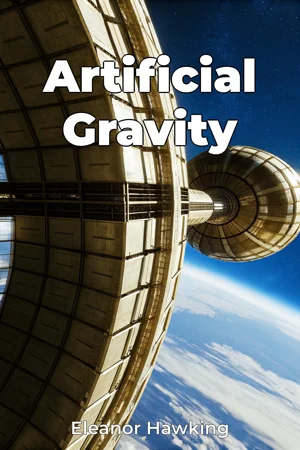
"Artificial Gravity" explores the compelling need for simulated gravity in space travel and habitation, addressing the detrimental effects of weightlessness on astronaut health, such as bone density loss and muscle atrophy. The book examines various methods for creating artificial gravity, focusing on rotating structures and linear acceleration. It explains how centripetal force in rotating habitats can mimic gravity and analyzes the challenges of sustained acceleration for interplanetary travel, making complex physics accessible to a broad audience. The book progresses systematically, beginning with a review of gravity research and the biological impacts of microgravity. Later chapters delve into the physics of rotation, linear acceleration, and physiological considerations, evaluating the body's response to these artificial environments. It uniquely connects physics, engineering, medicine, and space exploration to provide a comprehensive understanding of artificial gravity's potential, including space tourism and settlements on other planets.
Book Details
ISBN
9788233966065
Publisher
Publifye AS
Your Licenses
You don't own any licenses for this book
Purchase a license below to unlock this book and download the EPUB.
Purchase License
Select a tier to unlock this book
Need bulk licensing?
Contact us for enterprise agreements.