
About This Book
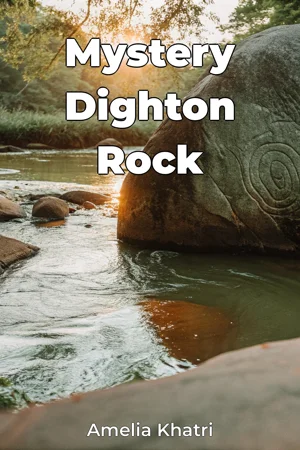
What secrets are etched in stone, defying understanding for centuries? This book, "Mystery Dighton Rock," delves into the enigmatic Dighton Rock, a 40-ton boulder residing in the Taunton River, Massachusetts, adorned with perplexing carvings that have challenged historians, archaeologists, and theorists alike. We embark on a journey to unravel the rock's story, examining its symbols, exploring the theories surrounding its creation, and understanding what this enduring puzzle reveals about humanity's quest to interpret the past. This book addresses three key areas: Documentation, Interpretation and Contextualization. Firstly, meticulous documentation of the rock's inscriptions, using historical records, sketches, photographs, and modern imaging techniques, becomes the foundation for analysis. Secondly, the multitude of interpretations proposed over centuries, ranging from indigenous origins to Viking expeditions, Portuguese explorers, and even claims of Phoenician presence, are thoroughly investigated, separating speculation from evidence-based analysis. Thirdly, we place Dighton Rock within broader historical, geographical, and cultural contexts, considering the potential interactions between different groups known to have inhabited or explored the region. The central argument posits that, while definitive proof of the carvings' origin remains elusive, a rigorous, interdisciplinary approach, combining historical analysis, archaeological evidence, linguistic studies, and geological context, offers the best path to understanding the rock's significance. Rather than promoting a single definitive solution, the book advocates for a nuanced understanding of the complexities surrounding the Dighton Rock and its place in the narrative of early American history. The book unfolds systematically. It commences with an introduction to the Dighton Rock, detailing its discovery and early descriptions. It then explores the historical context, including the indigenous populations of the region, early European exploration, and colonial settlements that likely interacted with the visible landmark. Subsequent chapters each examine major theories, providing evidence for and against each. This includes in-depth exploration of Native American petroglyphs, Norse runes, Portuguese heraldry and other less prevalent theories tied to the site. The book culminates by synthesizing the available evidence and offering a balanced assessment of the most plausible explanations, while acknowledging lingering uncertainties. Finally, it discusses the challenges and potential future directions for research. The book relies on a wide range of evidence, including historical documents, early maps, sketches, scholarly articles, archaeological reports, geological surveys, and comparative analyses of petroglyphs from various cultures. It utilizes innovative methods, such as digital image enhancement and comparative analysis, to highlight subtle details in the rock's carvings often overlooked during conventional observations. "Mystery Dighton Rock" draws connections between history, archaeology, and geography, and sheds light on the indigenous cultures, patterns of early European exploration, and the impact of cultural contact on subsequent interpretations of the rock. This interdisciplinary approach fosters a deeper appreciation for the interconnectedness of these fields in understanding the past. The book presents a balanced approach to the topic, acknowledging the limitations of existing evidence and recognizing the subjective element involved in interpreting ancient symbols. The tone is informative, engaging, and analytical. The target audience includes history enthusiasts, archaeology buffs, students of early American history, and anyone intrigued by unsolved mysteries. The book offers valuable insights into the challenges of interpreting historical artifacts and the complexities of cultural interaction. As a work of non-fiction, this book adheres to the principles of accuracy, objectivity, and transparency. It presents information in a clear and accessible manner, providing proper citations and acknowledging different viewpoints. While it aims to be comprehensive, the book recognizes that the Dighton Rock's mystery cannot be definitively solved with present knowledge. The scope is deliberately focused on the rock itself, its immediate geographical surrounding and the most credible theories concerning its origins. The information in this book can be applied to broader discussions about cultural heritage, preservation, and the interpretation of historical artifacts. It encourages critical thinking and fosters appreciation for the complexities of piecing together the past from fragmented evidence. The book addresses the ongoing debates surrounding the rock's origins, acknowledging conflicting interpretations and presenting a nuanced understanding of the challenges involved. By examining the past theories, it helps navigate the present controversies, providing a framework for future discussions.
What secrets are etched in stone, defying understanding for centuries? This book, "Mystery Dighton Rock," delves into the enigmatic Dighton Rock, a 40-ton boulder residing in the Taunton River, Massachusetts, adorned with perplexing carvings that have challenged historians, archaeologists, and theorists alike. We embark on a journey to unravel the rock's story, examining its symbols, exploring the theories surrounding its creation, and understanding what this enduring puzzle reveals about humanity's quest to interpret the past. This book addresses three key areas: Documentation, Interpretation and Contextualization. Firstly, meticulous documentation of the rock's inscriptions, using historical records, sketches, photographs, and modern imaging techniques, becomes the foundation for analysis. Secondly, the multitude of interpretations proposed over centuries, ranging from indigenous origins to Viking expeditions, Portuguese explorers, and even claims of Phoenician presence, are thoroughly investigated, separating speculation from evidence-based analysis. Thirdly, we place Dighton Rock within broader historical, geographical, and cultural contexts, considering the potential interactions between different groups known to have inhabited or explored the region. The central argument posits that, while definitive proof of the carvings' origin remains elusive, a rigorous, interdisciplinary approach, combining historical analysis, archaeological evidence, linguistic studies, and geological context, offers the best path to understanding the rock's significance. Rather than promoting a single definitive solution, the book advocates for a nuanced understanding of the complexities surrounding the Dighton Rock and its place in the narrative of early American history. The book unfolds systematically. It commences with an introduction to the Dighton Rock, detailing its discovery and early descriptions. It then explores the historical context, including the indigenous populations of the region, early European exploration, and colonial settlements that likely interacted with the visible landmark. Subsequent chapters each examine major theories, providing evidence for and against each. This includes in-depth exploration of Native American petroglyphs, Norse runes, Portuguese heraldry and other less prevalent theories tied to the site. The book culminates by synthesizing the available evidence and offering a balanced assessment of the most plausible explanations, while acknowledging lingering uncertainties. Finally, it discusses the challenges and potential future directions for research. The book relies on a wide range of evidence, including historical documents, early maps, sketches, scholarly articles, archaeological reports, geological surveys, and comparative analyses of petroglyphs from various cultures. It utilizes innovative methods, such as digital image enhancement and comparative analysis, to highlight subtle details in the rock's carvings often overlooked during conventional observations. "Mystery Dighton Rock" draws connections between history, archaeology, and geography, and sheds light on the indigenous cultures, patterns of early European exploration, and the impact of cultural contact on subsequent interpretations of the rock. This interdisciplinary approach fosters a deeper appreciation for the interconnectedness of these fields in understanding the past. The book presents a balanced approach to the topic, acknowledging the limitations of existing evidence and recognizing the subjective element involved in interpreting ancient symbols. The tone is informative, engaging, and analytical. The target audience includes history enthusiasts, archaeology buffs, students of early American history, and anyone intrigued by unsolved mysteries. The book offers valuable insights into the challenges of interpreting historical artifacts and the complexities of cultural interaction. As a work of non-fiction, this book adheres to the principles of accuracy, objectivity, and transparency. It presents information in a clear and accessible manner, providing proper citations and acknowledging different viewpoints. While it aims to be comprehensive, the book recognizes that the Dighton Rock's mystery cannot be definitively solved with present knowledge. The scope is deliberately focused on the rock itself, its immediate geographical surrounding and the most credible theories concerning its origins. The information in this book can be applied to broader discussions about cultural heritage, preservation, and the interpretation of historical artifacts. It encourages critical thinking and fosters appreciation for the complexities of piecing together the past from fragmented evidence. The book addresses the ongoing debates surrounding the rock's origins, acknowledging conflicting interpretations and presenting a nuanced understanding of the challenges involved. By examining the past theories, it helps navigate the present controversies, providing a framework for future discussions.
"Mystery Dighton Rock" explores the enduring enigma of a 40-ton boulder in Massachusetts adorned with perplexing petroglyphs. This book investigates the Dighton Rock's complex history, offering a comprehensive look at the various theories surrounding its origins and its place within early American history. It examines the rock's symbols, considers historical interpretations, and contextualizes it within the broader landscape of cultural heritage. One intriguing aspect is how interpretations have shifted over centuries, reflecting changing cultural biases and historical understanding. The book meticulously documents the rock’s inscriptions using historical records, sketches, and modern imaging. It explores theories ranging from indigenous origins to Viking expeditions, Portuguese explorers, and Phoenician presence, separating speculation from evidence-based analysis. By placing Dighton Rock within historical, geographical, and cultural contexts, the book sheds light on potential interactions between groups inhabiting or exploring the region. The approach combines historical analysis, archaeological evidence, linguistic studies, and geological context to understand its significance. The book unfolds systematically, beginning with the rock's discovery and early descriptions, then exploring the historical context, including indigenous populations and early European exploration. Subsequent chapters delve into major theories, providing evidence for and against each, culminating in a balanced assessment of plausible explanations. This interdisciplinary approach, drawing connections between history, archaeology, and geography, offers valuable insights into interpreting historical artifacts and understanding cultural interaction.
Book Details
ISBN
9788233965280
Publisher
Publifye AS
Your Licenses
You don't own any licenses for this book
Purchase a license below to unlock this book and download the EPUB.
Purchase License
Select a tier to unlock this book
Need bulk licensing?
Contact us for enterprise agreements.