
About This Book
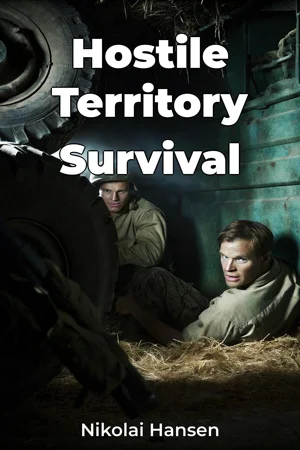
Can you truly survive when everything is against you? *Hostile Territory Survival* is your comprehensive guide to navigating and enduring environments defined by conflict, extreme hostility, and mortal danger. This book draws upon historical accounts, military doctrine, survival science, and firsthand experiences to equip you with the knowledge and skills necessary to increase your chances of survival under the most adverse conditions. This book focuses on three core areas: understanding the operational environment (threat assessment and terrain analysis), developing a survival mindset (psychological resilience and adaptability), and mastering practical survival skills (evasion, self-defense, and resource acquisition). These tenets are fundamental because even the best-laid plans crumble without a clear understanding of the threats and terrain, the mental fortitude to endure, and the practical skills to overcome immediate dangers. The historical backdrop of numerous military conflicts and periods of civil unrest provide a rich tapestry of case studies. This context is coupled with an examination of social and political factors that contribute to hostile environments. While prior military experience may be helpful, the book is designed to be accessible to anyone willing to learn, regardless of their background. The central argument of *Hostile Territory Survival* is that survival in hostile territory is not merely about physical endurance, but rather a holistic combination of knowledge, mental preparation, and adaptable skillsets. This argument is vital because it shifts the focus from passive endurance to active agency, empowering readers to take control of their survival. The book is structured into three major sections. Part one introduces the concepts of threat assessment, risk management, and environmental awareness. It explores how to analyze the nature of threats, predict potential dangers, and understand the socio-political landscape. Part two delves into the psychological aspects of survival, covering topics such as stress management, decision-making under pressure, maintaining morale, and building mental resilience. Part three provides detailed, practical instructions on essential survival skills, including evasion techniques, basic self-defense strategies, wilderness survival skills adapted for hostile environments, and methods for acquiring essential resources like food and water. The book culminates with a synthesis of these elements, demonstrating how they work together to maximize survivability. The evidence presented consists of historical case studies from various military and civilian survival situations, coupled with best practices derived from military survival manuals, expert interviews, and scientific research on human performance under stress. Unique data sources include declassified military training documents and oral histories from individuals who have survived in hostile environments. *Hostile Territory Survival* connects to several interdisciplinary fields, including military history, psychology, and environmental science. The historical analysis provides context, the psychological insights enhance mental preparedness, and environmental science informs resource acquisition and environmental awareness strategies. These connections enrich the book's argument by providing a multi-faceted understanding of survival. This book presents a unique perspective by integrating historical analysis with practical survival skills and psychological resilience training. This holistic approach provides a more comprehensive and adaptable skillset than traditional survival guides. The writing style is direct, informative, and engaging, aiming to impart critical information in a clear and accessible manner. The tone balances the seriousness of the subject matter with practical guidance and encouragement, fostering a sense of empowerment and preparedness. The target audience includes military personnel, law enforcement officers, humanitarian aid workers, journalists operating in conflict zones, preppers, and anyone interested in acquiring the knowledge and skills necessary to survive in high-risk environments. This book would be valuable to them by providing a practical, evidence-based guide to surviving in the face of adversity. As a work of military history and adventure, this book will encompass detailed descriptions of conflict zones, survival techniques, and historical events, emphasizing accuracy, relevance, and practical applicability. The scope of the book covers a broad range of hostile environments, from war zones to regions with high crime rates or natural disasters. Its limitations include a focus on general principles and adaptable strategies, rather than specific, location-dependent advice. The information in this book can be applied practically by readers to enhance their situational awareness, mental preparedness, and survival skills in a variety of real-world scenarios, including urban emergencies, natural disasters, and overseas travel to high-risk areas. Readers can adapt the presented methods to specific needs. While the fundamental principles of survival are universal, the application of these principles may be subject to debate or differing opinions among survival experts. Where applicable, acknowledge these debates and present balanced perspectives, encouraging readers to think critically and adapt the information presented to their own circumstances.
Can you truly survive when everything is against you? *Hostile Territory Survival* is your comprehensive guide to navigating and enduring environments defined by conflict, extreme hostility, and mortal danger. This book draws upon historical accounts, military doctrine, survival science, and firsthand experiences to equip you with the knowledge and skills necessary to increase your chances of survival under the most adverse conditions. This book focuses on three core areas: understanding the operational environment (threat assessment and terrain analysis), developing a survival mindset (psychological resilience and adaptability), and mastering practical survival skills (evasion, self-defense, and resource acquisition). These tenets are fundamental because even the best-laid plans crumble without a clear understanding of the threats and terrain, the mental fortitude to endure, and the practical skills to overcome immediate dangers. The historical backdrop of numerous military conflicts and periods of civil unrest provide a rich tapestry of case studies. This context is coupled with an examination of social and political factors that contribute to hostile environments. While prior military experience may be helpful, the book is designed to be accessible to anyone willing to learn, regardless of their background. The central argument of *Hostile Territory Survival* is that survival in hostile territory is not merely about physical endurance, but rather a holistic combination of knowledge, mental preparation, and adaptable skillsets. This argument is vital because it shifts the focus from passive endurance to active agency, empowering readers to take control of their survival. The book is structured into three major sections. Part one introduces the concepts of threat assessment, risk management, and environmental awareness. It explores how to analyze the nature of threats, predict potential dangers, and understand the socio-political landscape. Part two delves into the psychological aspects of survival, covering topics such as stress management, decision-making under pressure, maintaining morale, and building mental resilience. Part three provides detailed, practical instructions on essential survival skills, including evasion techniques, basic self-defense strategies, wilderness survival skills adapted for hostile environments, and methods for acquiring essential resources like food and water. The book culminates with a synthesis of these elements, demonstrating how they work together to maximize survivability. The evidence presented consists of historical case studies from various military and civilian survival situations, coupled with best practices derived from military survival manuals, expert interviews, and scientific research on human performance under stress. Unique data sources include declassified military training documents and oral histories from individuals who have survived in hostile environments. *Hostile Territory Survival* connects to several interdisciplinary fields, including military history, psychology, and environmental science. The historical analysis provides context, the psychological insights enhance mental preparedness, and environmental science informs resource acquisition and environmental awareness strategies. These connections enrich the book's argument by providing a multi-faceted understanding of survival. This book presents a unique perspective by integrating historical analysis with practical survival skills and psychological resilience training. This holistic approach provides a more comprehensive and adaptable skillset than traditional survival guides. The writing style is direct, informative, and engaging, aiming to impart critical information in a clear and accessible manner. The tone balances the seriousness of the subject matter with practical guidance and encouragement, fostering a sense of empowerment and preparedness. The target audience includes military personnel, law enforcement officers, humanitarian aid workers, journalists operating in conflict zones, preppers, and anyone interested in acquiring the knowledge and skills necessary to survive in high-risk environments. This book would be valuable to them by providing a practical, evidence-based guide to surviving in the face of adversity. As a work of military history and adventure, this book will encompass detailed descriptions of conflict zones, survival techniques, and historical events, emphasizing accuracy, relevance, and practical applicability. The scope of the book covers a broad range of hostile environments, from war zones to regions with high crime rates or natural disasters. Its limitations include a focus on general principles and adaptable strategies, rather than specific, location-dependent advice. The information in this book can be applied practically by readers to enhance their situational awareness, mental preparedness, and survival skills in a variety of real-world scenarios, including urban emergencies, natural disasters, and overseas travel to high-risk areas. Readers can adapt the presented methods to specific needs. While the fundamental principles of survival are universal, the application of these principles may be subject to debate or differing opinions among survival experts. Where applicable, acknowledge these debates and present balanced perspectives, encouraging readers to think critically and adapt the information presented to their own circumstances.
"Hostile Territory Survival" offers a comprehensive guide to enduring conflict and danger, drawing from military history, survival science, and firsthand accounts. It emphasizes understanding the operational environment through threat assessment and terrain analysis, fostering a survival mindset rooted in psychological resilience, and mastering essential skills like evasion and resource acquisition. The book uniquely integrates historical case studies with practical survival strategies, highlighting that survival is a holistic blend of knowledge, mental fortitude, and adaptable skills. The book progresses through three sections: analyzing threats and the socio-political landscape, developing mental resilience under pressure, and mastering practical survival skills. Historical backdrops of military conflicts offer rich case studies, demonstrating how social and political factors shape hostile environments. For example, understanding local customs can be as crucial as knowing self-defense. The book's approach empowers readers to move from passive endurance to active agency, equipping them with the tools to take control of their survival. The content is presented directly and informatively, balancing the gravity of the subject with practical guidance, making it accessible to a broad audience interested in enhancing their preparedness and survival skills. Whether navigating urban emergencies or understanding conflict zones, the book provides a framework for adapting survival principles to various high-risk scenarios, emphasizing that mental preparation and adaptability are as vital as physical skills.
Book Details
ISBN
9788233965242
Publisher
Publifye AS
Your Licenses
You don't own any licenses for this book
Purchase a license below to unlock this book and download the EPUB.
Purchase License
Select a tier to unlock this book
Need bulk licensing?
Contact us for enterprise agreements.