
About This Book
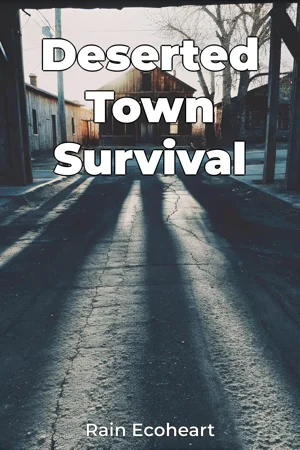
Imagine stepping into a town frozen in time, stripped bare of the conveniences we take for granted. Could you survive? "Deserted Town Survival" is your comprehensive guide to navigating the challenges of abandoned settlements and ghost cities, where modern amenities are nonexistent and self-reliance is paramount. This book delves into three critical areas: resource acquisition, shelter construction, and psychological resilience. Understanding how to find and purify water, identify edible plants, and hunt or trap small animals becomes a matter of life or death. Constructing durable shelters from salvaged materials, understanding local climate patterns, and preventing exposure are crucial skills. Furthermore, maintaining mental fortitude in isolation, managing fear, and fostering a survival mindset are equally vital for long-term survival in these desolate environments. These topics are significant because they address fundamental human needs and the skills required to meet them in extreme circumstances. Historically, many towns have been abandoned due to economic collapse, natural disasters, or resource depletion, leaving behind a skeletal infrastructure that presents both opportunities and dangers. Understanding basic wilderness survival skills, rudimentary knowledge of architecture, and awareness of potential contamination risks are helpful to readers. The central argument of "Deserted Town Survival" is that with the right knowledge and preparation, individuals can not only survive but also potentially thrive in deserted towns and ghost cities. This argument is important because it shifts the perception of these places from symbols of failure to potential environments for self-sufficiency and resilience. The book begins by introducing the concept of deserted towns and ghost cities, examining the reasons for their abandonment and assessing the potential hazards they present. It develops by providing detailed, practical guidance on resource acquisition, covering water sourcing and purification, food procurement through foraging and trapping, and waste management techniques relevant to such environments. The book then progresses into shelter construction, detailing the use of salvaged materials, the adaptation of existing structures, and the creation of insulated and weatherproof living spaces. It also addresses psychological aspects of survival, exploring strategies for maintaining morale, managing stress, and building a sustainable routine. The book culminates in a discussion of long-term community building and the potential for re-inhabiting these spaces, while considering the ethical implications of doing so. The evidence and research presented will include detailed diagrams of shelter designs, illustrations of edible and poisonous plants, step-by-step instructions for water purification methods, and case studies of successful survival strategies employed in similar environments. Data from historical records, geological surveys, and environmental impact assessments will contribute to the book's scientific accuracy. "Deserted Town Survival" connects to the fields of environmental science, exploring the ecological impact of abandoned settlements; anthropology, examining the social and cultural dynamics of past communities; and urban planning, offering insights into sustainable living and resource management. These interdisciplinary connections deepen the book's understanding of why towns fail and how they might be repurposed. This book offers a unique, practical, and ethically grounded approach to deserted town survival. Rather than focusing solely on short-term survival tactics, it emphasizes long-term sustainability and responsible interaction with the environment. The book adopts a conversational yet informative tone, making complex survival strategies accessible to a wide audience. Step-by-step instructions, clear diagrams, and real-world examples will make the information easy to understand and apply. "Deserted Town Survival" is targeted towards outdoor enthusiasts, preppers, survivalists, and anyone interested in self-sufficiency and resilience. It will be valuable to those seeking practical skills for wilderness survival and those fascinated by the history and potential of deserted towns. As a travel and nature book, it emphasizes practical information and ethical considerations for navigating and interacting responsibly with these abandoned environments, adhering to the conventions of the genre by prioritizing factual information and actionable advice. The book focuses specifically on survival skills applicable to deserted towns and ghost cities in various geographic locations. It does not delve into comprehensive wilderness survival in pristine environments or cover advanced medical techniques. The information in "Deserted Town Survival" can be applied to various real-world scenarios, from disaster preparedness and emergency response to sustainable living and off-grid communities. Readers can utilize these skills to enhance their resilience in the face of unforeseen circumstances and explore alternative ways of living in harmony with nature. While the idea of re-inhabiting deserted towns offers a unique perspective, it also raises ethical considerations. These include issues of land ownership, the rights of former residents, and the potential impact on existing ecosystems. The book will address these debates by presenting different viewpoints and encouraging readers to consider the environmental and social implications of their actions, offering advice on how to respectfully research and navigate these sensitive subjects.
Imagine stepping into a town frozen in time, stripped bare of the conveniences we take for granted. Could you survive? "Deserted Town Survival" is your comprehensive guide to navigating the challenges of abandoned settlements and ghost cities, where modern amenities are nonexistent and self-reliance is paramount. This book delves into three critical areas: resource acquisition, shelter construction, and psychological resilience. Understanding how to find and purify water, identify edible plants, and hunt or trap small animals becomes a matter of life or death. Constructing durable shelters from salvaged materials, understanding local climate patterns, and preventing exposure are crucial skills. Furthermore, maintaining mental fortitude in isolation, managing fear, and fostering a survival mindset are equally vital for long-term survival in these desolate environments. These topics are significant because they address fundamental human needs and the skills required to meet them in extreme circumstances. Historically, many towns have been abandoned due to economic collapse, natural disasters, or resource depletion, leaving behind a skeletal infrastructure that presents both opportunities and dangers. Understanding basic wilderness survival skills, rudimentary knowledge of architecture, and awareness of potential contamination risks are helpful to readers. The central argument of "Deserted Town Survival" is that with the right knowledge and preparation, individuals can not only survive but also potentially thrive in deserted towns and ghost cities. This argument is important because it shifts the perception of these places from symbols of failure to potential environments for self-sufficiency and resilience. The book begins by introducing the concept of deserted towns and ghost cities, examining the reasons for their abandonment and assessing the potential hazards they present. It develops by providing detailed, practical guidance on resource acquisition, covering water sourcing and purification, food procurement through foraging and trapping, and waste management techniques relevant to such environments. The book then progresses into shelter construction, detailing the use of salvaged materials, the adaptation of existing structures, and the creation of insulated and weatherproof living spaces. It also addresses psychological aspects of survival, exploring strategies for maintaining morale, managing stress, and building a sustainable routine. The book culminates in a discussion of long-term community building and the potential for re-inhabiting these spaces, while considering the ethical implications of doing so. The evidence and research presented will include detailed diagrams of shelter designs, illustrations of edible and poisonous plants, step-by-step instructions for water purification methods, and case studies of successful survival strategies employed in similar environments. Data from historical records, geological surveys, and environmental impact assessments will contribute to the book's scientific accuracy. "Deserted Town Survival" connects to the fields of environmental science, exploring the ecological impact of abandoned settlements; anthropology, examining the social and cultural dynamics of past communities; and urban planning, offering insights into sustainable living and resource management. These interdisciplinary connections deepen the book's understanding of why towns fail and how they might be repurposed. This book offers a unique, practical, and ethically grounded approach to deserted town survival. Rather than focusing solely on short-term survival tactics, it emphasizes long-term sustainability and responsible interaction with the environment. The book adopts a conversational yet informative tone, making complex survival strategies accessible to a wide audience. Step-by-step instructions, clear diagrams, and real-world examples will make the information easy to understand and apply. "Deserted Town Survival" is targeted towards outdoor enthusiasts, preppers, survivalists, and anyone interested in self-sufficiency and resilience. It will be valuable to those seeking practical skills for wilderness survival and those fascinated by the history and potential of deserted towns. As a travel and nature book, it emphasizes practical information and ethical considerations for navigating and interacting responsibly with these abandoned environments, adhering to the conventions of the genre by prioritizing factual information and actionable advice. The book focuses specifically on survival skills applicable to deserted towns and ghost cities in various geographic locations. It does not delve into comprehensive wilderness survival in pristine environments or cover advanced medical techniques. The information in "Deserted Town Survival" can be applied to various real-world scenarios, from disaster preparedness and emergency response to sustainable living and off-grid communities. Readers can utilize these skills to enhance their resilience in the face of unforeseen circumstances and explore alternative ways of living in harmony with nature. While the idea of re-inhabiting deserted towns offers a unique perspective, it also raises ethical considerations. These include issues of land ownership, the rights of former residents, and the potential impact on existing ecosystems. The book will address these debates by presenting different viewpoints and encouraging readers to consider the environmental and social implications of their actions, offering advice on how to respectfully research and navigate these sensitive subjects.
"Deserted Town Survival" explores the intriguing and challenging world of ghost cities and abandoned settlements, offering a comprehensive guide to survival in these desolate environments. The book dives into essential skills such as resource acquisition, including finding and purifying water, and shelter construction using salvaged materials. One might be surprised to learn how much useful material can be repurposed from abandoned structures, or how critical understanding local climate patterns is for building effective shelters. The book progresses systematically, starting with an overview of deserted towns and the reasons for their abandonment. It then moves into practical guidance on securing resources, constructing shelter, and maintaining psychological resilience. The approach is unique, emphasizing not just short-term survival but also long-term sustainability and ethical interaction with the environment. This focus sets it apart from typical survival guides, offering valuable insights for those interested in self-sufficiency, disaster preparedness, and even the potential for re-inhabiting these forgotten places.
Book Details
ISBN
9788233965235
Publisher
Publifye AS
Your Licenses
You don't own any licenses for this book
Purchase a license below to unlock this book and download the EPUB.
Purchase License
Select a tier to unlock this book
Need bulk licensing?
Contact us for enterprise agreements.