
About This Book
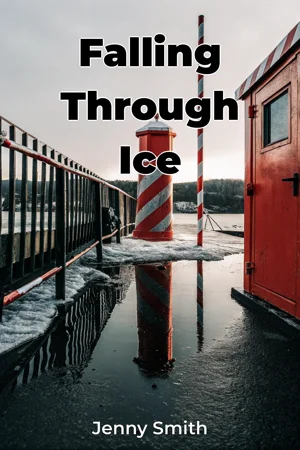
What would you do if the ice beneath your feet suddenly gave way, plunging you into frigid water? "Falling Through Ice" is your comprehensive guide to surviving this terrifying scenario, offering potentially life-saving information on self-rescue, preventing hypothermia, and understanding the science behind cold-water survival. This book emphasizes the importance of preparedness and knowledge in mitigating the risks associated with winter activities on frozen bodies of water. Two crucial aspects are thoroughly examined: immediate self-rescue techniques and the physiological effects of cold-water immersion. Mastering self-rescue can dramatically increase your chances of survival, while understanding hypothermia allows you to recognize its symptoms and take appropriate preventative measures. These topics are particularly relevant considering the increasing popularity of winter sports and recreational activities, coupled with the unpredictable nature of ice conditions due to climate change. The book begins by establishing a foundational understanding of ice formation, strength, and the factors that contribute to ice instability. This includes discussions of water temperature, current, snow cover, and the impact of freeze-thaw cycles. This knowledge provides the necessary context for understanding the risks associated with being on the ice, equipping the reader with a basis for making informed decisions about venturing onto frozen surfaces. The central argument of "Falling Through Ice" is that survival in a cold-water immersion scenario is significantly enhanced by a combination of preparation, knowledge, and decisive action. We argue that understanding the science behind cold-water survival, coupled with practical training in self-rescue techniques, can dramatically improve outcomes in what is often a time-critical situation. This argument is vital because it shifts the focus from panic and helplessness to informed action and self-empowerment. The book is structured to guide the reader through a logical progression of learning. First, we explain the physics of ice formation, its properties, and the dangers associated with varying ice conditions. Next, we delve into the physiological responses to cold-water immersion, detailing the stages of hypothermia and the body's natural reflexes. This includes a careful examination of cold shock response and its implications. Following the theoretical foundation, the book provides detailed step-by-step instructions for self-rescue techniques, including the use of ice awls, the "roll-out" method, and strategies for conserving energy. The book culminates with a discussion on preventative measures, recognizing danger signs, and the importance of proper clothing and gear selection. Evidence presented includes documented case studies of ice-related accidents, scientific research on hypothermia and cold-water survival, and expert interviews with experienced ice rescue professionals. The book also draws on data from organizations like the National Weather Service and the Coast Guard to provide accurate and up-to-date information. Interdisciplinary connections enhance the depth of the book. It draws upon physics (understanding ice formation), physiology (understanding the body's response to cold), and psychology (addressing the mental challenges of a survival situation). These connections provide a comprehensive understanding of the challenges and potential solutions. A unique aspect of "Falling Through Ice" is its emphasis on psychological preparedness. The book addresses the panic and fear that often accompany cold-water immersion and provides strategies for maintaining composure and focusing on survival. The book adopts a practical, informative, and reassuring tone, aiming to empower readers with the knowledge and skills to survive a potentially fatal situation. It avoids sensationalism and instead relies on scientific evidence and expert advice to convey its message. The target audience includes anyone who engages in winter activities on frozen water. This includes ice fishers, skaters, snowmobilers, hikers, and anyone living in regions where frozen waterways are common. The book would also be valuable for emergency responders and outdoor education professionals. Adhering to the conventions of the Health & Fitness and Adventure genres, the book provides clear, concise instructions, practical tips, and real-world examples to engage and inform the reader. The book's scope is limited to survival strategies related specifically to falling through ice. It does not cover other types of wilderness survival or first aid in detail but focuses intently on the specific challenges of cold-water immersion and ice rescue. The information presented in "Falling Through Ice" can be applied directly by readers through practicing self-rescue techniques in a controlled environment, learning to recognize the signs of hypothermia, and making informed choices about winter clothing and gear. Understanding these concepts and practicing the techniques can give readers a substantial survival advantage.
What would you do if the ice beneath your feet suddenly gave way, plunging you into frigid water? "Falling Through Ice" is your comprehensive guide to surviving this terrifying scenario, offering potentially life-saving information on self-rescue, preventing hypothermia, and understanding the science behind cold-water survival. This book emphasizes the importance of preparedness and knowledge in mitigating the risks associated with winter activities on frozen bodies of water. Two crucial aspects are thoroughly examined: immediate self-rescue techniques and the physiological effects of cold-water immersion. Mastering self-rescue can dramatically increase your chances of survival, while understanding hypothermia allows you to recognize its symptoms and take appropriate preventative measures. These topics are particularly relevant considering the increasing popularity of winter sports and recreational activities, coupled with the unpredictable nature of ice conditions due to climate change. The book begins by establishing a foundational understanding of ice formation, strength, and the factors that contribute to ice instability. This includes discussions of water temperature, current, snow cover, and the impact of freeze-thaw cycles. This knowledge provides the necessary context for understanding the risks associated with being on the ice, equipping the reader with a basis for making informed decisions about venturing onto frozen surfaces. The central argument of "Falling Through Ice" is that survival in a cold-water immersion scenario is significantly enhanced by a combination of preparation, knowledge, and decisive action. We argue that understanding the science behind cold-water survival, coupled with practical training in self-rescue techniques, can dramatically improve outcomes in what is often a time-critical situation. This argument is vital because it shifts the focus from panic and helplessness to informed action and self-empowerment. The book is structured to guide the reader through a logical progression of learning. First, we explain the physics of ice formation, its properties, and the dangers associated with varying ice conditions. Next, we delve into the physiological responses to cold-water immersion, detailing the stages of hypothermia and the body's natural reflexes. This includes a careful examination of cold shock response and its implications. Following the theoretical foundation, the book provides detailed step-by-step instructions for self-rescue techniques, including the use of ice awls, the "roll-out" method, and strategies for conserving energy. The book culminates with a discussion on preventative measures, recognizing danger signs, and the importance of proper clothing and gear selection. Evidence presented includes documented case studies of ice-related accidents, scientific research on hypothermia and cold-water survival, and expert interviews with experienced ice rescue professionals. The book also draws on data from organizations like the National Weather Service and the Coast Guard to provide accurate and up-to-date information. Interdisciplinary connections enhance the depth of the book. It draws upon physics (understanding ice formation), physiology (understanding the body's response to cold), and psychology (addressing the mental challenges of a survival situation). These connections provide a comprehensive understanding of the challenges and potential solutions. A unique aspect of "Falling Through Ice" is its emphasis on psychological preparedness. The book addresses the panic and fear that often accompany cold-water immersion and provides strategies for maintaining composure and focusing on survival. The book adopts a practical, informative, and reassuring tone, aiming to empower readers with the knowledge and skills to survive a potentially fatal situation. It avoids sensationalism and instead relies on scientific evidence and expert advice to convey its message. The target audience includes anyone who engages in winter activities on frozen water. This includes ice fishers, skaters, snowmobilers, hikers, and anyone living in regions where frozen waterways are common. The book would also be valuable for emergency responders and outdoor education professionals. Adhering to the conventions of the Health & Fitness and Adventure genres, the book provides clear, concise instructions, practical tips, and real-world examples to engage and inform the reader. The book's scope is limited to survival strategies related specifically to falling through ice. It does not cover other types of wilderness survival or first aid in detail but focuses intently on the specific challenges of cold-water immersion and ice rescue. The information presented in "Falling Through Ice" can be applied directly by readers through practicing self-rescue techniques in a controlled environment, learning to recognize the signs of hypothermia, and making informed choices about winter clothing and gear. Understanding these concepts and practicing the techniques can give readers a substantial survival advantage.
"Falling Through Ice" provides critical knowledge for surviving a plunge into frigid waters, focusing on self-rescue and hypothermia prevention. Many people don't realize that the initial cold shock response can be more immediately dangerous than hypothermia itself, causing involuntary gasping and potentially drowning. The book emphasizes that preparedness, combining knowledge of ice conditions with practical self-rescue skills, is key to survival. The book progresses logically, starting with the physics of ice formation and the dangers of varying ice conditions. It then delves into how the body reacts to cold-water immersion, explaining the stages of hypothermia and the cold shock response. Practical self-rescue techniques, like using ice awls and the "roll-out" method, are detailed, along with preventative measures such as proper clothing selection. This book uniquely emphasizes psychological preparedness, addressing the panic that can hinder survival.
Book Details
ISBN
9788233965150
Publisher
Publifye AS
Your Licenses
You don't own any licenses for this book
Purchase a license below to unlock this book and download the EPUB.
Purchase License
Select a tier to unlock this book
Need bulk licensing?
Contact us for enterprise agreements.