
About This Book
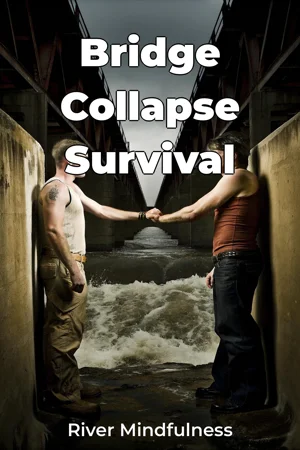
Imagine the unthinkable: the ground beneath you suddenly gives way, steel groans, and concrete crumbles. You're on a bridge as it collapses. What do you do? This book, "Bridge Collapse Survival," is your comprehensive guide to surviving this terrifying scenario, whether you are traversing the bridge or located beneath it. We address two critical areas: immediate actions during a collapse and proactive safety measures. Understanding the dynamics of bridge failures, recognizing warning signs, and knowing how to react in the crucial moments can significantly improve your chances of survival. Bridge collapses, though infrequent, are devastating events often resulting from structural fatigue, natural disasters such as earthquakes or floods, or human error. While the probability of experiencing such an event is low, the consequences are catastrophic, necessitating informed preparedness. This book provides crucial context on why bridges fail, drawing on engineering principles and historical case studies, without demanding prior technical expertise from the reader. The central argument of "Bridge Collapse Survival" is that knowledge and preparation are paramount. By understanding the risks, recognizing warning signs, and practicing appropriate responses, individuals can dramatically increase their survivability in a bridge collapse scenario. This knowledge gap is significant, as most people are unaware of the specific dangers and the actions they should take. This book begins by introducing the fundamental principles of bridge construction and potential failure points. It explores the common causes of bridge collapses, examining historical incidents and the lessons learned. The core of the book is divided into practical, actionable steps for survival during a collapse, focusing on scenarios for both those on the bridge and those underneath. We discuss strategies for assessing the situation, prioritizing safety, and executing escape plans. The book culminates by addressing post-collapse survival, including techniques for self-rescue, signaling for help, and managing injuries until professional assistance arrives. The information presented is supported by extensive research, drawing on engineering reports, disaster response protocols, and survivor testimonies. We analyze data from past bridge collapses to identify patterns and develop effective survival strategies. Where applicable, the book references data from structural engineering studies and emergency management agencies. "Bridge Collapse Survival" connects to several related fields, including civil engineering, emergency management, and psychology. The engineering aspects inform the understanding of failure mechanisms, emergency management provides the framework for response strategies, and psychology addresses the mental fortitude required to survive a traumatic event. Exploring these interdisciplinary connections enrich the book's argument that a holistic approach to survival is essential. The book offers a unique perspective by combining a technical understanding of bridge failures with practical, step-by-step survival guidelines tailored to specific collapse scenarios. This approach distinguishes it from general disaster preparedness guides by focusing specifically on the unique challenges presented by bridge collapses. The tone is informative and direct, prioritizing clarity and conciseness to facilitate quick comprehension and recall during a crisis. The writing style is accessible to a broad audience, avoiding technical jargon and using real-world examples to illustrate key concepts. The target audience includes travelers, commuters, residents of areas with bridges, and anyone interested in disaster preparedness. It will be valuable to those wanting to feel more prepared for low-probability, high-impact events. As a self-help book, "Bridge Collapse Survival" offers actionable advice and practical skills, aligning with the genre's emphasis on empowering readers to take control of their safety. The book's scope is limited to bridge collapse scenarios, avoiding broader disaster preparedness topics to maintain a focused and actionable approach. The book explores real-world applications through case studies and practical drills. While the structural causes of collapses can be debated among engineers and experts, this book focuses on presenting a consensus view of best practices for survival in a bridge collapse event.
Imagine the unthinkable: the ground beneath you suddenly gives way, steel groans, and concrete crumbles. You're on a bridge as it collapses. What do you do? This book, "Bridge Collapse Survival," is your comprehensive guide to surviving this terrifying scenario, whether you are traversing the bridge or located beneath it. We address two critical areas: immediate actions during a collapse and proactive safety measures. Understanding the dynamics of bridge failures, recognizing warning signs, and knowing how to react in the crucial moments can significantly improve your chances of survival. Bridge collapses, though infrequent, are devastating events often resulting from structural fatigue, natural disasters such as earthquakes or floods, or human error. While the probability of experiencing such an event is low, the consequences are catastrophic, necessitating informed preparedness. This book provides crucial context on why bridges fail, drawing on engineering principles and historical case studies, without demanding prior technical expertise from the reader. The central argument of "Bridge Collapse Survival" is that knowledge and preparation are paramount. By understanding the risks, recognizing warning signs, and practicing appropriate responses, individuals can dramatically increase their survivability in a bridge collapse scenario. This knowledge gap is significant, as most people are unaware of the specific dangers and the actions they should take. This book begins by introducing the fundamental principles of bridge construction and potential failure points. It explores the common causes of bridge collapses, examining historical incidents and the lessons learned. The core of the book is divided into practical, actionable steps for survival during a collapse, focusing on scenarios for both those on the bridge and those underneath. We discuss strategies for assessing the situation, prioritizing safety, and executing escape plans. The book culminates by addressing post-collapse survival, including techniques for self-rescue, signaling for help, and managing injuries until professional assistance arrives. The information presented is supported by extensive research, drawing on engineering reports, disaster response protocols, and survivor testimonies. We analyze data from past bridge collapses to identify patterns and develop effective survival strategies. Where applicable, the book references data from structural engineering studies and emergency management agencies. "Bridge Collapse Survival" connects to several related fields, including civil engineering, emergency management, and psychology. The engineering aspects inform the understanding of failure mechanisms, emergency management provides the framework for response strategies, and psychology addresses the mental fortitude required to survive a traumatic event. Exploring these interdisciplinary connections enrich the book's argument that a holistic approach to survival is essential. The book offers a unique perspective by combining a technical understanding of bridge failures with practical, step-by-step survival guidelines tailored to specific collapse scenarios. This approach distinguishes it from general disaster preparedness guides by focusing specifically on the unique challenges presented by bridge collapses. The tone is informative and direct, prioritizing clarity and conciseness to facilitate quick comprehension and recall during a crisis. The writing style is accessible to a broad audience, avoiding technical jargon and using real-world examples to illustrate key concepts. The target audience includes travelers, commuters, residents of areas with bridges, and anyone interested in disaster preparedness. It will be valuable to those wanting to feel more prepared for low-probability, high-impact events. As a self-help book, "Bridge Collapse Survival" offers actionable advice and practical skills, aligning with the genre's emphasis on empowering readers to take control of their safety. The book's scope is limited to bridge collapse scenarios, avoiding broader disaster preparedness topics to maintain a focused and actionable approach. The book explores real-world applications through case studies and practical drills. While the structural causes of collapses can be debated among engineers and experts, this book focuses on presenting a consensus view of best practices for survival in a bridge collapse event.
"Bridge Collapse Survival" prepares readers for the unthinkable: surviving a bridge collapse. It emphasizes that knowledge and preparation are key to dramatically increasing survivability in such a catastrophic event. The book addresses immediate actions during a collapse, such as assessing the situation and prioritizing safety, alongside proactive safety measures like recognizing warning signs of structural failure. The book progresses logically, starting with the fundamental principles of bridge construction and potential failure points. It then delves into common causes of collapses, using historical case studies to underscore lessons learned. A core section provides actionable steps for survival, tailored to scenarios both on and beneath the collapsing bridge. For example, it explains how to react whether you are a vehicle occupant or a pedestrian. The approach balances technical insights with practical, step-by-step survival guidelines. Ultimately, "Bridge Collapse Survival" distinguishes itself by focusing specifically on the unique challenges of bridge collapses, offering a blend of engineering awareness and self-rescue techniques. It culminates with post-collapse survival strategies, like signaling for help and managing injuries, ensuring readers are equipped to handle every stage of this terrifying ordeal.
Book Details
ISBN
9788233965020
Publisher
Publifye AS
Your Licenses
You don't own any licenses for this book
Purchase a license below to unlock this book and download the EPUB.
Purchase License
Select a tier to unlock this book
Need bulk licensing?
Contact us for enterprise agreements.