
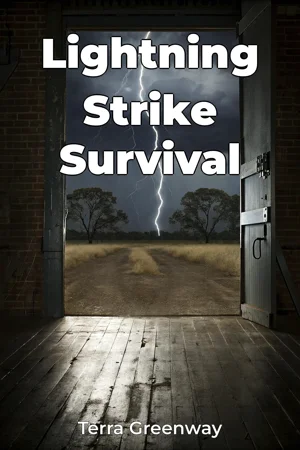
About This Book
Did you know that lightning strikes the earth an average of 100 times every second? "Lightning Strike Survival" is not just another science book; it's a vital guide that arms you with the knowledge to understand, respect, and survive one of nature’s most powerful and unpredictable forces. The book will address crucial topics: the science behind lightning formation and behavior, the assessment of lightning strike risks in various environments, and, most importantly, practical strategies for minimizing danger and maximizing survival during electrical storms. These topics are relevant because lightning poses a genuine threat to human life and safety, impacting outdoor enthusiasts, people living in high-risk areas, and even those in seemingly safe indoor environments. This book delves into the atmospheric conditions that give rise to lightning, from the buildup of electrical charges in storm clouds to the discharge process that creates the visible bolt. We'll explore the different types of lightning, including cloud-to-ground, cloud-to-cloud, and intra-cloud strikes, detailing their unique characteristics and associated dangers. Prior knowledge of basic weather concepts will enhance the reading experience, but the book provides clear explanations of all necessary scientific principles. The central argument of "Lightning Strike Survival" is that informed awareness and proactive preparation are the most effective defenses against lightning-related injuries and fatalities. This argument is significant because while lightning strikes are often perceived as random events, understanding the underlying patterns and implementing proven safety measures can dramatically reduce risk. The book follows a logical structure. First, establishes the fundamental science of lightning. Following this, it examines risk assessment, detailing how geographical location, environmental conditions, and human activities contribute to the likelihood of a strike. The core of the book is dedicated to practical survival strategies, including guidelines for seeking safe shelter, the importance of lightning safety awareness, and how to administer first aid to lightning strike victims. The book culminates by addressing common misconceptions about lightning and providing actionable steps to create a comprehensive lightning safety plan for homes, workplaces, and outdoor activities. The claims presented in the book are backed by scientific data, research studies from meteorology and electrical engineering, and real-world case studies of lightning strike incidents. These include statistical analyses of lightning strike patterns, experimental data on the effectiveness of lightning protection systems, and detailed accounts of survival stories and tragedies. "Lightning Strike Survival" connects to several other fields of study. Environmental science is relevant, as climate change impacts the frequency and intensity of thunderstorms. Engineering informs our understanding of lightning protection systems and building safety codes. Public health is also relevant, as lightning strikes are a cause of injury and death that can be prevented through education and preparedness. What sets this book apart is its focus on empowering the reader with actionable knowledge. Rather than simply presenting scientific facts, it translates complex concepts into practical guidelines that can be implemented in everyday life. The book adopts a tone that is both informative and accessible. While grounded in scientific accuracy, the writing style is clear, concise, and engaging, avoiding technical jargon where possible. The target audience includes outdoor enthusiasts (hikers, campers, boaters), people living in areas prone to thunderstorms, emergency responders, and anyone interested in learning more about lightning safety. It would be valuable to them because it provides potentially life-saving information in a user-friendly format. As a science/nature book, the book will adhere to the genre's standards for accuracy, objectivity, and clarity, ensuring that all information is supported by credible sources and presented in a manner that is easy to understand. The scope of the book is limited to lightning strikes and related safety measures. While it touches on broader weather phenomena, it does not delve into other types of natural disasters. The information in "Lightning Strike Survival" can be applied directly to improve personal safety, inform community education programs, and enhance workplace safety protocols. While there is broad scientific consensus on the fundamental principles of lightning, certain aspects of lightning behavior and the effectiveness of different safety measures are subject to ongoing research and debate. The book will address these discussions, presenting different perspectives while maintaining a balanced and objective viewpoint.
Did you know that lightning strikes the earth an average of 100 times every second? "Lightning Strike Survival" is not just another science book; it's a vital guide that arms you with the knowledge to understand, respect, and survive one of nature’s most powerful and unpredictable forces. The book will address crucial topics: the science behind lightning formation and behavior, the assessment of lightning strike risks in various environments, and, most importantly, practical strategies for minimizing danger and maximizing survival during electrical storms. These topics are relevant because lightning poses a genuine threat to human life and safety, impacting outdoor enthusiasts, people living in high-risk areas, and even those in seemingly safe indoor environments. This book delves into the atmospheric conditions that give rise to lightning, from the buildup of electrical charges in storm clouds to the discharge process that creates the visible bolt. We'll explore the different types of lightning, including cloud-to-ground, cloud-to-cloud, and intra-cloud strikes, detailing their unique characteristics and associated dangers. Prior knowledge of basic weather concepts will enhance the reading experience, but the book provides clear explanations of all necessary scientific principles. The central argument of "Lightning Strike Survival" is that informed awareness and proactive preparation are the most effective defenses against lightning-related injuries and fatalities. This argument is significant because while lightning strikes are often perceived as random events, understanding the underlying patterns and implementing proven safety measures can dramatically reduce risk. The book follows a logical structure. First, establishes the fundamental science of lightning. Following this, it examines risk assessment, detailing how geographical location, environmental conditions, and human activities contribute to the likelihood of a strike. The core of the book is dedicated to practical survival strategies, including guidelines for seeking safe shelter, the importance of lightning safety awareness, and how to administer first aid to lightning strike victims. The book culminates by addressing common misconceptions about lightning and providing actionable steps to create a comprehensive lightning safety plan for homes, workplaces, and outdoor activities. The claims presented in the book are backed by scientific data, research studies from meteorology and electrical engineering, and real-world case studies of lightning strike incidents. These include statistical analyses of lightning strike patterns, experimental data on the effectiveness of lightning protection systems, and detailed accounts of survival stories and tragedies. "Lightning Strike Survival" connects to several other fields of study. Environmental science is relevant, as climate change impacts the frequency and intensity of thunderstorms. Engineering informs our understanding of lightning protection systems and building safety codes. Public health is also relevant, as lightning strikes are a cause of injury and death that can be prevented through education and preparedness. What sets this book apart is its focus on empowering the reader with actionable knowledge. Rather than simply presenting scientific facts, it translates complex concepts into practical guidelines that can be implemented in everyday life. The book adopts a tone that is both informative and accessible. While grounded in scientific accuracy, the writing style is clear, concise, and engaging, avoiding technical jargon where possible. The target audience includes outdoor enthusiasts (hikers, campers, boaters), people living in areas prone to thunderstorms, emergency responders, and anyone interested in learning more about lightning safety. It would be valuable to them because it provides potentially life-saving information in a user-friendly format. As a science/nature book, the book will adhere to the genre's standards for accuracy, objectivity, and clarity, ensuring that all information is supported by credible sources and presented in a manner that is easy to understand. The scope of the book is limited to lightning strikes and related safety measures. While it touches on broader weather phenomena, it does not delve into other types of natural disasters. The information in "Lightning Strike Survival" can be applied directly to improve personal safety, inform community education programs, and enhance workplace safety protocols. While there is broad scientific consensus on the fundamental principles of lightning, certain aspects of lightning behavior and the effectiveness of different safety measures are subject to ongoing research and debate. The book will address these discussions, presenting different perspectives while maintaining a balanced and objective viewpoint.
"Lightning Strike Survival" provides essential knowledge for understanding and surviving one of nature's most dangerous phenomena: lightning strikes. This science and nature guide explains the atmospheric science behind electrical storms, highlighting how lightning forms and the different types of strikes, such as cloud-to-ground and cloud-to-cloud. Interestingly, lightning hits the earth approximately 100 times per second, and understanding the patterns can dramatically reduce risk. The book progresses from basic lightning science to risk assessment and practical survival strategies. It details how geographical location and environmental conditions contribute to lightning strike likelihood. A key focus is on actionable steps for lightning safety, including seeking safe shelter and administering first aid. This book is valuable because it translates complex scientific concepts into practical guidelines for everyday life, emphasizing preparation as the best defense against lightning-related injuries.
Book Details
ISBN
9788233965013
Publisher
Publifye AS
Your Licenses
You don't own any licenses for this book
Purchase a license below to unlock this book and download the EPUB.
Purchase License
Select a tier to unlock this book
Need bulk licensing?
Contact us for enterprise agreements.