
About This Book
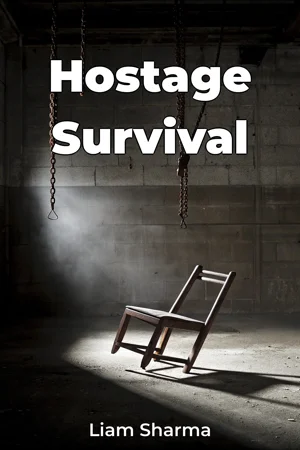
Can you envision facing the unthinkable – being held hostage, your life hanging precariously in the balance? "Hostage Survival" equips you with the critical knowledge and skills to navigate this terrifying scenario, blending historical accounts, military strategy adapted for civilian application, and proven stress management techniques. This book addresses three central pillars of hostage survival: negotiation tactics to enhance your chances of release, mental resilience strategies to endure captivity, and escape techniques as a last resort. These are vital for anyone seeking to understand how to maximize their safety and survival in such a perilous situation. "Hostage Survival" delves into the historical and psychological context of hostage situations. Understanding the motivations and behaviors of both captors and hostages is crucial. We explore case studies from military history and law enforcement, providing a background on the evolution of hostage negotiation and survival strategies. The book assumes no prior expertise; concepts are explained clearly, with relevant examples to ensure accessibility. The central argument is that a proactive, informed, and mentally prepared individual significantly increases their odds of surviving a hostage ordeal. This book provides the tools to develop that preparedness. The book is structured in three key parts. First, it introduces the fundamental principles of hostage negotiation, exploring effective communication strategies, understanding power dynamics, and building rapport with captors. Second, it focuses on mental resilience, detailing techniques for managing stress, maintaining hope, and preserving mental clarity during prolonged captivity. This section draws upon principles of cognitive behavioral therapy and mindfulness, adapted for extreme circumstances. Third, it examines escape strategies, including risk assessment, planning, and execution, emphasizing the importance of timing and resourcefulness while acknowledging the inherent dangers. The book culminates with practical guidance on post-traumatic recovery and reintegration into normal life. The evidence presented within "Hostage Survival" draws from a range of sources, including documented hostage incidents from military conflicts and civilian kidnappings, psychological research on trauma and resilience, and expert interviews with former hostages, negotiators, and special forces personnel. We analyze negotiation transcripts, hostage debriefings, and training manuals to extract actionable insights. This book connects to several related fields. Firstly, it intersects with criminology by examining the motivations and behaviors of hostage-takers. Secondly, it connects with psychology through the analysis of stress, trauma, and resilience. Thirdly, it's relevant to military science by adapting combat survival principles to a hostage scenario. These interdisciplinary links enhance the book's comprehensive approach. "Hostage Survival" takes a unique approach by integrating negotiation, psychology, and survival skills into a comprehensive framework. The book addresses the psychological aspects of captivity, often overlooked in traditional survival guides, and combines it with proven strategies from military and law enforcement professionals The tone is professional yet accessible, aiming to inform and empower the reader without sensationalizing the subject matter. The target audience includes travelers, journalists, aid workers, business professionals operating in high-risk environments, military personnel, law enforcement officers, and anyone interested in personal safety and preparedness. As a self-help book with military history elements, "Hostage Survival" provides practical advice backed by research and real-world examples. It offers tools and strategies applicable in other high-stress situations. The scope is broad, covering various types of hostage situations, but it is intentionally limited to non-state actors and does not delve into the complexities of international terrorism. The knowledge within "Hostage Survival" helps readers understand the dynamics of a hostage event, gives them a solid framework for making better decisions in such a dire situation, and ultimately increases their chances of survival. While hostage survival strategies are generally accepted, debates exist around the effectiveness of specific negotiation tactics and the psychological impact of different coping mechanisms. This book acknowledges these controversies and presents a balanced perspective based on the available evidence.
Can you envision facing the unthinkable – being held hostage, your life hanging precariously in the balance? "Hostage Survival" equips you with the critical knowledge and skills to navigate this terrifying scenario, blending historical accounts, military strategy adapted for civilian application, and proven stress management techniques. This book addresses three central pillars of hostage survival: negotiation tactics to enhance your chances of release, mental resilience strategies to endure captivity, and escape techniques as a last resort. These are vital for anyone seeking to understand how to maximize their safety and survival in such a perilous situation. "Hostage Survival" delves into the historical and psychological context of hostage situations. Understanding the motivations and behaviors of both captors and hostages is crucial. We explore case studies from military history and law enforcement, providing a background on the evolution of hostage negotiation and survival strategies. The book assumes no prior expertise; concepts are explained clearly, with relevant examples to ensure accessibility. The central argument is that a proactive, informed, and mentally prepared individual significantly increases their odds of surviving a hostage ordeal. This book provides the tools to develop that preparedness. The book is structured in three key parts. First, it introduces the fundamental principles of hostage negotiation, exploring effective communication strategies, understanding power dynamics, and building rapport with captors. Second, it focuses on mental resilience, detailing techniques for managing stress, maintaining hope, and preserving mental clarity during prolonged captivity. This section draws upon principles of cognitive behavioral therapy and mindfulness, adapted for extreme circumstances. Third, it examines escape strategies, including risk assessment, planning, and execution, emphasizing the importance of timing and resourcefulness while acknowledging the inherent dangers. The book culminates with practical guidance on post-traumatic recovery and reintegration into normal life. The evidence presented within "Hostage Survival" draws from a range of sources, including documented hostage incidents from military conflicts and civilian kidnappings, psychological research on trauma and resilience, and expert interviews with former hostages, negotiators, and special forces personnel. We analyze negotiation transcripts, hostage debriefings, and training manuals to extract actionable insights. This book connects to several related fields. Firstly, it intersects with criminology by examining the motivations and behaviors of hostage-takers. Secondly, it connects with psychology through the analysis of stress, trauma, and resilience. Thirdly, it's relevant to military science by adapting combat survival principles to a hostage scenario. These interdisciplinary links enhance the book's comprehensive approach. "Hostage Survival" takes a unique approach by integrating negotiation, psychology, and survival skills into a comprehensive framework. The book addresses the psychological aspects of captivity, often overlooked in traditional survival guides, and combines it with proven strategies from military and law enforcement professionals The tone is professional yet accessible, aiming to inform and empower the reader without sensationalizing the subject matter. The target audience includes travelers, journalists, aid workers, business professionals operating in high-risk environments, military personnel, law enforcement officers, and anyone interested in personal safety and preparedness. As a self-help book with military history elements, "Hostage Survival" provides practical advice backed by research and real-world examples. It offers tools and strategies applicable in other high-stress situations. The scope is broad, covering various types of hostage situations, but it is intentionally limited to non-state actors and does not delve into the complexities of international terrorism. The knowledge within "Hostage Survival" helps readers understand the dynamics of a hostage event, gives them a solid framework for making better decisions in such a dire situation, and ultimately increases their chances of survival. While hostage survival strategies are generally accepted, debates exist around the effectiveness of specific negotiation tactics and the psychological impact of different coping mechanisms. This book acknowledges these controversies and presents a balanced perspective based on the available evidence.
"Hostage Survival" offers a comprehensive guide to navigating the terrifying ordeal of captivity by blending military history, self-help techniques, and stress management strategies. The book emphasizes the integration of negotiation tactics, mental resilience, and escape techniques, highlighting the importance of understanding the psychological dynamics between captors and hostages. Intriguingly, proactive mental preparedness and informed decision-making are presented as key factors significantly increasing survival odds. The book progresses through three core sections, beginning with negotiation strategies, moving to mental resilience techniques employing cognitive behavioral therapy and mindfulness, and concluding with escape planning and execution. Case studies from military history and law enforcement are explored, providing a background on the evolution of hostage negotiation and survival strategies. The approach is unique in its combination of psychological insights with practical strategies, setting it apart from traditional survival guides.
Book Details
ISBN
9788233964863
Publisher
Publifye AS
Your Licenses
You don't own any licenses for this book
Purchase a license below to unlock this book and download the EPUB.
Purchase License
Select a tier to unlock this book
Need bulk licensing?
Contact us for enterprise agreements.