
About This Book
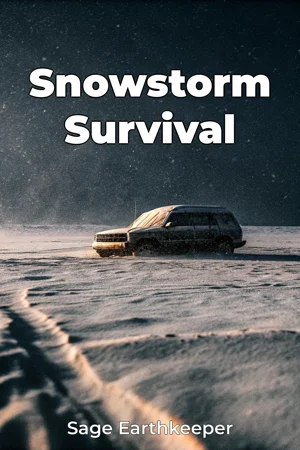
Could you survive trapped in a vehicle during a blizzard, miles from civilization, with temperatures plummeting and visibility near zero? "Snowstorm Survival" is designed to equip you with the critical knowledge and skills necessary to endure and overcome the life-threatening perils of extreme winter weather. This book delves into the science of blizzards, the dangers of hypothermia, and the challenges of navigating whiteout conditions, providing a comprehensive guide to survival in one of Earth's most unforgiving environments. The book focuses on three key topics: understanding blizzard dynamics, preventing and treating cold-related injuries, and mastering navigation techniques in zero-visibility conditions. Understanding the formation, intensity, and duration of blizzards is crucial for anticipating and preparing for these events. Learning to recognize the symptoms of hypothermia and frostbite, and knowing how to administer effective first aid, can be the difference between life and death. Developing proficiency in whiteout navigation, utilizing tools and techniques to maintain direction and avoid disorientation, significantly increases your chances of survival. "Snowstorm Survival" argues that proactive preparation, coupled with informed decision-making during a blizzard, drastically improves your odds of survival. This message is vital because, despite technological advancements, blizzards continue to pose a significant threat to human life, particularly for those who live, work, or travel in snow-prone regions. The book emphasizes that survival isn't merely about luck; it's about understanding the risks and applying proven strategies to mitigate them. The book begins with an exploration of the meteorological forces that create blizzards, explaining the complex interplay of temperature, wind, and precipitation. It then transitions to the physiological effects of extreme cold on the human body, detailing the progression of hypothermia and frostbite, and outlining effective prevention and treatment methods based on established medical practices. The central section of the book is dedicated to whiteout navigation, presenting techniques using maps, compasses, GPS devices, and even natural clues like wind direction and snowdrift patterns. Later chapters cover shelter construction, signaling for help, and psychological strategies for maintaining morale in prolonged survival situations. The book culminates with real-world case studies of individuals and groups who have successfully endured blizzards, extracting key lessons learned and providing practical takeaways for readers. The evidence and research presented in "Snowstorm Survival" are drawn from a variety of sources, including meteorological data, medical research on cold-weather injuries, survival manuals from military and wilderness organizations, and first-hand accounts from survivors. Original data analysis of historical blizzard events provides insights into the patterns and predictability of these storms. "Snowstorm Survival" intersects with several related fields, including meteorology (understanding weather patterns), physiology (studying the body's response to cold), and geography (navigating landscapes). It also touches upon psychology, examining the mental fortitude required to endure prolonged stress and isolation. These interdisciplinary connections enrich the book's content. This book offers a unique approach by combining scientific analysis with practical survival advice. Unlike many general survival guides, "Snowstorm Survival" focuses exclusively on the specific challenges posed by blizzards, providing in-depth information and targeted strategies. The writing style is designed to be informative and accessible, avoiding technical jargon while maintaining scientific accuracy. The tone is serious and respectful, acknowledging the life-threatening nature of blizzards while empowering readers with the knowledge and confidence to survive. The target audience includes outdoor enthusiasts, travelers, emergency responders, search and rescue teams, and anyone who lives or works in areas prone to heavy snowfall. The book's value lies in its comprehensive coverage of blizzard survival, offering practical guidance that can be applied in real-world situations. In line with the conventions of Earth Sciences and Geography non-fiction, the book presents factual information supported by evidence, avoiding sensationalism. Additionally, adhering to adventure genre expectations entails providing practical, actionable advice for overcoming challenges in harsh environments. While "Snowstorm Survival" provides a broad overview of blizzard survival techniques, it does not delve into specialized topics such as avalanche safety or advanced mountaineering. The book's scope is intentionally limited to the core skills and knowledge necessary to endure and overcome the immediate threats posed by blizzards. The information in "Snowstorm Survival" can be applied directly to real-world scenarios, from preparing a winter emergency kit to making critical decisions during a blizzard. The book provides checklists, step-by-step instructions, and practical tips that readers can immediately implement. The book addresses the ongoing debate about the relative importance of different survival skills, such as shelter building versus signaling for help, offering a balanced perspective based on scientific evidence and real-world experience.
Could you survive trapped in a vehicle during a blizzard, miles from civilization, with temperatures plummeting and visibility near zero? "Snowstorm Survival" is designed to equip you with the critical knowledge and skills necessary to endure and overcome the life-threatening perils of extreme winter weather. This book delves into the science of blizzards, the dangers of hypothermia, and the challenges of navigating whiteout conditions, providing a comprehensive guide to survival in one of Earth's most unforgiving environments. The book focuses on three key topics: understanding blizzard dynamics, preventing and treating cold-related injuries, and mastering navigation techniques in zero-visibility conditions. Understanding the formation, intensity, and duration of blizzards is crucial for anticipating and preparing for these events. Learning to recognize the symptoms of hypothermia and frostbite, and knowing how to administer effective first aid, can be the difference between life and death. Developing proficiency in whiteout navigation, utilizing tools and techniques to maintain direction and avoid disorientation, significantly increases your chances of survival. "Snowstorm Survival" argues that proactive preparation, coupled with informed decision-making during a blizzard, drastically improves your odds of survival. This message is vital because, despite technological advancements, blizzards continue to pose a significant threat to human life, particularly for those who live, work, or travel in snow-prone regions. The book emphasizes that survival isn't merely about luck; it's about understanding the risks and applying proven strategies to mitigate them. The book begins with an exploration of the meteorological forces that create blizzards, explaining the complex interplay of temperature, wind, and precipitation. It then transitions to the physiological effects of extreme cold on the human body, detailing the progression of hypothermia and frostbite, and outlining effective prevention and treatment methods based on established medical practices. The central section of the book is dedicated to whiteout navigation, presenting techniques using maps, compasses, GPS devices, and even natural clues like wind direction and snowdrift patterns. Later chapters cover shelter construction, signaling for help, and psychological strategies for maintaining morale in prolonged survival situations. The book culminates with real-world case studies of individuals and groups who have successfully endured blizzards, extracting key lessons learned and providing practical takeaways for readers. The evidence and research presented in "Snowstorm Survival" are drawn from a variety of sources, including meteorological data, medical research on cold-weather injuries, survival manuals from military and wilderness organizations, and first-hand accounts from survivors. Original data analysis of historical blizzard events provides insights into the patterns and predictability of these storms. "Snowstorm Survival" intersects with several related fields, including meteorology (understanding weather patterns), physiology (studying the body's response to cold), and geography (navigating landscapes). It also touches upon psychology, examining the mental fortitude required to endure prolonged stress and isolation. These interdisciplinary connections enrich the book's content. This book offers a unique approach by combining scientific analysis with practical survival advice. Unlike many general survival guides, "Snowstorm Survival" focuses exclusively on the specific challenges posed by blizzards, providing in-depth information and targeted strategies. The writing style is designed to be informative and accessible, avoiding technical jargon while maintaining scientific accuracy. The tone is serious and respectful, acknowledging the life-threatening nature of blizzards while empowering readers with the knowledge and confidence to survive. The target audience includes outdoor enthusiasts, travelers, emergency responders, search and rescue teams, and anyone who lives or works in areas prone to heavy snowfall. The book's value lies in its comprehensive coverage of blizzard survival, offering practical guidance that can be applied in real-world situations. In line with the conventions of Earth Sciences and Geography non-fiction, the book presents factual information supported by evidence, avoiding sensationalism. Additionally, adhering to adventure genre expectations entails providing practical, actionable advice for overcoming challenges in harsh environments. While "Snowstorm Survival" provides a broad overview of blizzard survival techniques, it does not delve into specialized topics such as avalanche safety or advanced mountaineering. The book's scope is intentionally limited to the core skills and knowledge necessary to endure and overcome the immediate threats posed by blizzards. The information in "Snowstorm Survival" can be applied directly to real-world scenarios, from preparing a winter emergency kit to making critical decisions during a blizzard. The book provides checklists, step-by-step instructions, and practical tips that readers can immediately implement. The book addresses the ongoing debate about the relative importance of different survival skills, such as shelter building versus signaling for help, offering a balanced perspective based on scientific evidence and real-world experience.
"Snowstorm Survival" offers a comprehensive guide for navigating the perils of extreme winter weather, focusing on blizzard dynamics, cold-related injuries, and whiteout navigation. It argues that proactive preparation and informed decision-making are crucial for survival in these harsh conditions. The book uniquely combines scientific analysis with practical survival advice, differentiating itself from general survival guides by focusing specifically on blizzards. The book begins by exploring the meteorological forces behind blizzards, then transitions to the physiological effects of extreme cold, detailing the progression of hypothermia and frostbite. A key aspect covered is whiteout navigation, teaching readers how to use maps, compasses, GPS devices, and even natural clues to maintain direction. Did you know that snowstorms can reduce visibility to near zero, making navigation incredibly challenging? Also, understanding wind direction and snowdrift patterns can be invaluable when visibility is limited. Later chapters cover shelter construction, signaling for help, and psychological strategies for maintaining morale. The book concludes with real-world case studies, extracting key lessons learned. "Snowstorm Survival" emphasizes that survival is not about luck, but about understanding the risks and applying proven strategies, making it an invaluable resource for anyone living, working, or traveling in snow-prone regions.
Book Details
ISBN
9788233964849
Publisher
Publifye AS
Your Licenses
You don't own any licenses for this book
Purchase a license below to unlock this book and download the EPUB.
Purchase License
Select a tier to unlock this book
Need bulk licensing?
Contact us for enterprise agreements.