
About This Book
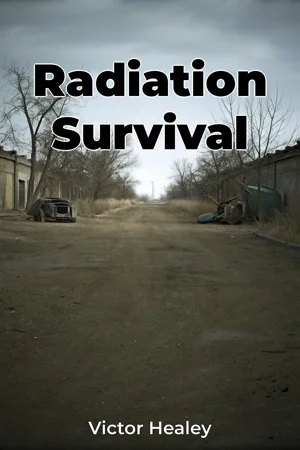
Could you survive a nuclear event? This book, *Radiation Survival*, provides a comprehensive, fact-based guide to understanding and mitigating the dangers of nuclear radiation exposure, fallout zones, and radioactive contamination. The information contained within is vital not only in the event of a large-scale disaster, but also for understanding the everyday, low-level radiation risks we all face. This book focuses on three key areas: understanding the science of radiation, preparing for a nuclear event, and survival strategies in the aftermath. Understanding radiation is critical; we delve into the types of radiation, their effects on the human body, and how different materials interact with radioactive particles. Preparation is equally important, covering topics such as building a shelter, stockpiling essential supplies, and developing an emergency plan. Finally, the book outlines crucial survival strategies for navigating a fallout zone, decontaminating yourself and your environment, and sourcing safe food and water. To provide necessary context, the book draws on historical data from nuclear accidents like Chernobyl and Fukushima, as well as the experiences of survivors from the atomic bombings of Hiroshima and Nagasaki. We also explore scientific research from organizations like the World Health Organization (WHO) and the International Atomic Energy Agency (IAEA) to understand the long-term health effects of radiation exposure. No prior advanced scientific knowledge is required. Key concepts are explained clearly and concisely. The central message of *Radiation Survival* is that knowledge and preparation are the most effective tools for surviving a nuclear event. While the dangers are real and should be taken seriously, panic and misinformation can be just as deadly. This book empowers readers to make informed decisions and take proactive steps to protect themselves and their families. The book is structured in three parts. Part 1 introduces the science of radiation, explaining concepts like half-life, types of radiation (alpha, beta, gamma, neutron), and the inverse square law. It also covers methods of radiation detection and measurement. Part 2 focuses on preparedness, including shelter construction, emergency kit essentials (food, water, sanitation, medical supplies), communication strategies, and evacuation planning. Part 3 addresses survival in a contaminated environment, covering topics such as identifying fallout zones, decontamination procedures, sourcing safe food and water, treating radiation sickness, and long-term recovery strategies. The concluding chapter emphasizes community resilience and the importance of sharing knowledge to aid collective survival. The evidence presented is derived from scientific studies, government reports, and first-hand accounts of disaster survivors. Additionally, data from radiation monitoring networks and simulations of fallout patterns are utilized to provide practical guidance. The book connects to several other fields, including public health, environmental science, and emergency management. The public health aspect focuses on the medical effects of radiation and strategies for mitigating these effects. The environmental science aspect explores how radiation contaminates ecosystems and impacts food chains. The emergency management aspect deals with disaster preparedness, response, and recovery. *Radiation Survival* adopts a practical, step-by-step approach, avoiding technical jargon and focusing on actionable advice. The writing style is clear, concise, and informative, designed to be accessible to readers with limited scientific backgrounds. This book is intended for anyone concerned about the potential threat of nuclear events, from individual citizens to emergency preparedness professionals. It provides valuable information for homeowners, survivalists, and anyone seeking to enhance their knowledge of radiation safety. The accessible language and practical advice align with the expectations of the science and public health genres, focusing on delivering actionable information in a clear and understandable manner. The scope of the book is broad, covering radiation from various sources, including nuclear weapons, nuclear power plant accidents, and natural background radiation. It also addresses the long-term health consequences of radiation exposure and strategies for minimizing these risks. While the book provides a comprehensive overview of radiation survival, it does not delve into the technical details of nuclear physics or advanced medical treatments for severe radiation poisoning. The information in this book can be applied to a wide range of real-world scenarios. It can help readers make informed decisions about where to live, how to prepare for emergencies, and how to protect themselves and their families in the event of a nuclear incident. Additionally, the knowledge gained can be applied to understanding and mitigating everyday radiation risks, such as exposure to radon gas in homes or medical imaging procedures. The book addresses some of the controversies surrounding radiation, such as the debate over low-dose radiation exposure and the risks versus benefits of nuclear power. It presents different perspectives on these issues, providing readers with the information they need to form their own informed opinions.
Could you survive a nuclear event? This book, *Radiation Survival*, provides a comprehensive, fact-based guide to understanding and mitigating the dangers of nuclear radiation exposure, fallout zones, and radioactive contamination. The information contained within is vital not only in the event of a large-scale disaster, but also for understanding the everyday, low-level radiation risks we all face. This book focuses on three key areas: understanding the science of radiation, preparing for a nuclear event, and survival strategies in the aftermath. Understanding radiation is critical; we delve into the types of radiation, their effects on the human body, and how different materials interact with radioactive particles. Preparation is equally important, covering topics such as building a shelter, stockpiling essential supplies, and developing an emergency plan. Finally, the book outlines crucial survival strategies for navigating a fallout zone, decontaminating yourself and your environment, and sourcing safe food and water. To provide necessary context, the book draws on historical data from nuclear accidents like Chernobyl and Fukushima, as well as the experiences of survivors from the atomic bombings of Hiroshima and Nagasaki. We also explore scientific research from organizations like the World Health Organization (WHO) and the International Atomic Energy Agency (IAEA) to understand the long-term health effects of radiation exposure. No prior advanced scientific knowledge is required. Key concepts are explained clearly and concisely. The central message of *Radiation Survival* is that knowledge and preparation are the most effective tools for surviving a nuclear event. While the dangers are real and should be taken seriously, panic and misinformation can be just as deadly. This book empowers readers to make informed decisions and take proactive steps to protect themselves and their families. The book is structured in three parts. Part 1 introduces the science of radiation, explaining concepts like half-life, types of radiation (alpha, beta, gamma, neutron), and the inverse square law. It also covers methods of radiation detection and measurement. Part 2 focuses on preparedness, including shelter construction, emergency kit essentials (food, water, sanitation, medical supplies), communication strategies, and evacuation planning. Part 3 addresses survival in a contaminated environment, covering topics such as identifying fallout zones, decontamination procedures, sourcing safe food and water, treating radiation sickness, and long-term recovery strategies. The concluding chapter emphasizes community resilience and the importance of sharing knowledge to aid collective survival. The evidence presented is derived from scientific studies, government reports, and first-hand accounts of disaster survivors. Additionally, data from radiation monitoring networks and simulations of fallout patterns are utilized to provide practical guidance. The book connects to several other fields, including public health, environmental science, and emergency management. The public health aspect focuses on the medical effects of radiation and strategies for mitigating these effects. The environmental science aspect explores how radiation contaminates ecosystems and impacts food chains. The emergency management aspect deals with disaster preparedness, response, and recovery. *Radiation Survival* adopts a practical, step-by-step approach, avoiding technical jargon and focusing on actionable advice. The writing style is clear, concise, and informative, designed to be accessible to readers with limited scientific backgrounds. This book is intended for anyone concerned about the potential threat of nuclear events, from individual citizens to emergency preparedness professionals. It provides valuable information for homeowners, survivalists, and anyone seeking to enhance their knowledge of radiation safety. The accessible language and practical advice align with the expectations of the science and public health genres, focusing on delivering actionable information in a clear and understandable manner. The scope of the book is broad, covering radiation from various sources, including nuclear weapons, nuclear power plant accidents, and natural background radiation. It also addresses the long-term health consequences of radiation exposure and strategies for minimizing these risks. While the book provides a comprehensive overview of radiation survival, it does not delve into the technical details of nuclear physics or advanced medical treatments for severe radiation poisoning. The information in this book can be applied to a wide range of real-world scenarios. It can help readers make informed decisions about where to live, how to prepare for emergencies, and how to protect themselves and their families in the event of a nuclear incident. Additionally, the knowledge gained can be applied to understanding and mitigating everyday radiation risks, such as exposure to radon gas in homes or medical imaging procedures. The book addresses some of the controversies surrounding radiation, such as the debate over low-dose radiation exposure and the risks versus benefits of nuclear power. It presents different perspectives on these issues, providing readers with the information they need to form their own informed opinions.
"Radiation Survival" is a comprehensive guide addressing the critical need to understand and prepare for nuclear events, including radiation exposure and radioactive contamination. It transcends mere disaster scenarios, offering insights into everyday radiation risks and empowering readers with actionable knowledge. The book uniquely blends scientific understanding with practical survival strategies, emphasizing that informed preparation is crucial in mitigating the dangers of radiation. This book delves into the science of radiation, covering its types and effects on the human body. It then progresses to preparedness measures, such as shelter construction and emergency planning. Finally, it outlines survival tactics for navigating fallout zones and decontaminating environments. Drawing from historical events like Chernobyl and Hiroshima, as well as data from organizations like WHO, the book ensures accessibility by avoiding technical jargon and focusing on clear, concise explanations. The book is structured in three parts, starting with introducing the science of radiation. The second part focuses on preparedness and the third part addresses survival in a contaminated environment. The knowledge presented can be applied to make informed decisions about risks and protecting oneself and family in the event of a nuclear incident.
Book Details
ISBN
9788233964795
Publisher
Publifye AS
Your Licenses
You don't own any licenses for this book
Purchase a license below to unlock this book and download the EPUB.
Purchase License
Select a tier to unlock this book
Need bulk licensing?
Contact us for enterprise agreements.