
About This Book
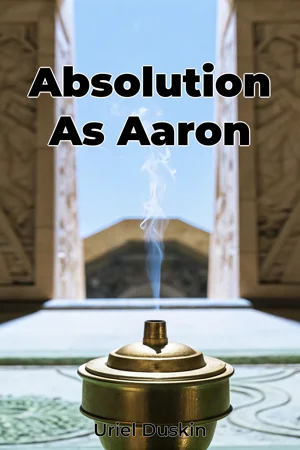
Are you seeking a deeper understanding of purity and atonement as outlined in the Bible? "Absolution As Aaron" delves into the multifaceted concept of cleansing rituals and their spiritual significance, drawing heavily on the example of Aaron, Moses' brother and the first High Priest of Israel. This book explores the history, symbolism, and enduring relevance of purification practices within a biblical framework. We will examine two central topics: the specific cleansing rituals prescribed throughout the Old Testament and the role of the priesthood, particularly Aaron's, in administering these rites. Understanding these elements is critical to grasping the theological underpinnings of sin, forgiveness, and the covenant relationship between God and humanity. Without this knowledge, many biblical passages related to sacrifice and atonement remain obscure and open to misinterpretation. The historical context of the Old Testament, with its emphasis on ritual purity and ceremonial law, provides the backdrop for our investigation. While a general familiarity with the Pentateuch (the first five books of the Bible) is helpful, this book will offer explanations of key terminology and historical events. The social structures of ancient Israel, including the Levitical priesthood and the Tabernacle/Temple system, also form essential components of our understanding which will be developed. The central argument of "Absolution As Aaron" is that the prescribed methods for cleansing, as exemplified by Aaron's priestly duties, reveal fundamental truths about God's holiness, human sinfulness, and the need for atonement. It asserts that these practices, while explicitly detailed in the Old Testament, provide crucial insights for interpreting the New Testament's concept of salvation through Jesus Christ. Understanding the Old Testament system gives depth and clarity to the New Testament's teachings. Our exploration begins with an introduction to the concept of ritual purity and its importance in ancient Israelite society. The book then develops this concept. We will then look at the specific laws concerning purification from various forms of impurity, including bodily emissions, skin diseases, and contact with death. Following, we will address the procedures for offering sacrifices, and the Day of Atonement (Yom Kippur), with a particular focus on Aaron's role in these ceremonies. Finally, we will examine the broader implications of these practices for understanding the nature of sin, forgiveness, and the concept of covenant relationship with God. We conclude by considering how these ancient rituals foreshadow the ultimate sacrifice of Jesus Christ and the cleansing available through faith. The book relies on close readings of biblical texts, drawing upon insights from historical, archaeological, and theological scholarship. We will also consider relevant extra-biblical sources, such as ancient Near Eastern legal codes and religious texts, to provide broader context. This study connects to fields such as history, archaeology, and theology. Our exploration of ancient Israelite society will provide historical context. Our analysis of ritual practices will shed light on the development of religious beliefs and practices over time. And finally, our examination of atonement theologies will have theological connections. "Absolution as Aaron" offers a unique perspective by focusing specifically on the person of Aaron as a model for understanding the principles of cleansing and atonement. This approach provides a tangible and relatable framework for exploring complex theological concepts. The writing style is academic yet accessible, aiming to present complex information clearly and concisely for both scholars and lay readers interested in biblical studies. The intended audience includes students of theology, pastors, biblical scholars, and anyone seeking a deeper understanding of the Old Testament and its relevance to Christian faith. This book is a valuable resource for gaining a more nuanced understanding of biblical themes related to sin, forgiveness, and atonement. As a work of biblical studies, this seeks to provide a comprehensive and objective analysis of biblical texts and related historical and cultural contexts. The scope of this book is limited to the Old Testament understanding of cleansing and atonement, specifically as exemplified by Aaron's role as High Priest. While we will touch on the New Testament, we will not conduct an exhaustive analysis of New Testament theology. The information presented can be applied practically by readers seeking to understand the historical and theological context of their faith. We acknowledge that there are differing interpretations of these biblical texts and practices. This book presents a particular perspective based on careful research and analysis, while acknowledging alternative viewpoints.
Are you seeking a deeper understanding of purity and atonement as outlined in the Bible? "Absolution As Aaron" delves into the multifaceted concept of cleansing rituals and their spiritual significance, drawing heavily on the example of Aaron, Moses' brother and the first High Priest of Israel. This book explores the history, symbolism, and enduring relevance of purification practices within a biblical framework. We will examine two central topics: the specific cleansing rituals prescribed throughout the Old Testament and the role of the priesthood, particularly Aaron's, in administering these rites. Understanding these elements is critical to grasping the theological underpinnings of sin, forgiveness, and the covenant relationship between God and humanity. Without this knowledge, many biblical passages related to sacrifice and atonement remain obscure and open to misinterpretation. The historical context of the Old Testament, with its emphasis on ritual purity and ceremonial law, provides the backdrop for our investigation. While a general familiarity with the Pentateuch (the first five books of the Bible) is helpful, this book will offer explanations of key terminology and historical events. The social structures of ancient Israel, including the Levitical priesthood and the Tabernacle/Temple system, also form essential components of our understanding which will be developed. The central argument of "Absolution As Aaron" is that the prescribed methods for cleansing, as exemplified by Aaron's priestly duties, reveal fundamental truths about God's holiness, human sinfulness, and the need for atonement. It asserts that these practices, while explicitly detailed in the Old Testament, provide crucial insights for interpreting the New Testament's concept of salvation through Jesus Christ. Understanding the Old Testament system gives depth and clarity to the New Testament's teachings. Our exploration begins with an introduction to the concept of ritual purity and its importance in ancient Israelite society. The book then develops this concept. We will then look at the specific laws concerning purification from various forms of impurity, including bodily emissions, skin diseases, and contact with death. Following, we will address the procedures for offering sacrifices, and the Day of Atonement (Yom Kippur), with a particular focus on Aaron's role in these ceremonies. Finally, we will examine the broader implications of these practices for understanding the nature of sin, forgiveness, and the concept of covenant relationship with God. We conclude by considering how these ancient rituals foreshadow the ultimate sacrifice of Jesus Christ and the cleansing available through faith. The book relies on close readings of biblical texts, drawing upon insights from historical, archaeological, and theological scholarship. We will also consider relevant extra-biblical sources, such as ancient Near Eastern legal codes and religious texts, to provide broader context. This study connects to fields such as history, archaeology, and theology. Our exploration of ancient Israelite society will provide historical context. Our analysis of ritual practices will shed light on the development of religious beliefs and practices over time. And finally, our examination of atonement theologies will have theological connections. "Absolution as Aaron" offers a unique perspective by focusing specifically on the person of Aaron as a model for understanding the principles of cleansing and atonement. This approach provides a tangible and relatable framework for exploring complex theological concepts. The writing style is academic yet accessible, aiming to present complex information clearly and concisely for both scholars and lay readers interested in biblical studies. The intended audience includes students of theology, pastors, biblical scholars, and anyone seeking a deeper understanding of the Old Testament and its relevance to Christian faith. This book is a valuable resource for gaining a more nuanced understanding of biblical themes related to sin, forgiveness, and atonement. As a work of biblical studies, this seeks to provide a comprehensive and objective analysis of biblical texts and related historical and cultural contexts. The scope of this book is limited to the Old Testament understanding of cleansing and atonement, specifically as exemplified by Aaron's role as High Priest. While we will touch on the New Testament, we will not conduct an exhaustive analysis of New Testament theology. The information presented can be applied practically by readers seeking to understand the historical and theological context of their faith. We acknowledge that there are differing interpretations of these biblical texts and practices. This book presents a particular perspective based on careful research and analysis, while acknowledging alternative viewpoints.
"Absolution As Aaron" explores the significant role of cleansing rituals and atonement in the Old Testament, using Aaron, the first High Priest, as a focal point. This book aims to deepen the understanding of purity, sin, and forgiveness within a biblical context, emphasizing how these practices are essential for interpreting the New Testament's concept of salvation. Did you know that the Old Testament contains detailed instructions for purification from various forms of impurity, like skin diseases or contact with death? Understanding these cleansing rituals, especially those performed by Aaron, provides insights into God's holiness and humanity's need for atonement. The book uniquely focuses on Aaron's duties to reveal fundamental truths about the covenant relationship between God and humanity. By examining specific laws concerning purification and sacrifices, including the Day of Atonement (Yom Kippur), the book progresses from introducing ritual purity to exploring the implications for understanding sin and forgiveness. It draws on historical, archaeological, and theological scholarship, connecting Old Testament practices to the New Testament teachings of Jesus Christ. This approach provides a tangible framework for exploring complex theological concepts related to Biblical Studies and Biblical Reference.
Book Details
ISBN
9788233964757
Publisher
Publifye AS
Your Licenses
You don't own any licenses for this book
Purchase a license below to unlock this book and download the EPUB.
Purchase License
Select a tier to unlock this book
Need bulk licensing?
Contact us for enterprise agreements.