
About This Book
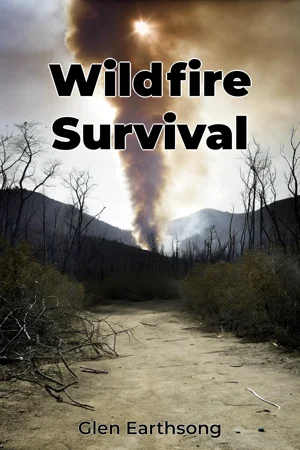
Could you survive a wildfire? Wildfire Survival provides essential knowledge and practical skills to dramatically increase your chances of survival during one of nature's most destructive forces. This book addresses two critical areas: early wildfire detection and effective evacuation strategies, each essential for safeguarding yourself and your loved ones. The increasing frequency and intensity of wildfires, fueled by climate change and land management practices, demand a comprehensive understanding of these threats. This book offers that understanding. Wildfire Survival argues that proactive preparation and informed decision-making are the most potent tools against wildfire threats. It is not enough to passively wait for emergency alerts; individuals must actively monitor their environment, understand fire behavior, and have well-rehearsed evacuation plans. This argument is vital because relying solely on external assistance during a wildfire can be disastrous. Emergency services are often overwhelmed, demonstrating the need for self-reliance. The book begins by detailing the causes and behavior of wildfires, including factors like fuel load, weather patterns, and topography. It explains how to identify early warning signs such as smoke plumes, unusual animal behavior, and changes in wind direction. The next section elaborates on creating a personal or family wildfire action plan, including establishing evacuation routes, assembling a "go-bag" with essential supplies, and designating a safe meeting point outside the fire zone. This includes understanding different types of shelters and their effectiveness. The book then covers the physical and mental aspects of survival, including techniques for navigating through smoke-filled environments, dealing with heat stress and dehydration, and maintaining a calm and focused mindset in chaotic situations. A final section addresses post-wildfire recovery, including assessing property damage, dealing with insurance claims, and coping with the emotional trauma of the event. The information is based on scientific research from forestry agencies, emergency management organizations, and firsthand accounts from wildfire survivors and firefighters. Data from historical wildfire events are analyzed to illustrate key lessons and best practices. The book draws connections to meteorology, ecology, and psychology to provide a holistic understanding of wildfire survival. For example, understanding weather patterns is critical for predicting fire behavior, while ecological knowledge helps in assessing fuel loads and potential fire risks. Psychological insights offer strategies for managing fear and making rational decisions under pressure. This book stands out by offering specific, actionable advice tailored to various wildfire scenarios. It avoids generalizations and instead provides detailed instructions on everything from building a temporary shelter to communicating with emergency services. The tone is direct, informative, and reassuring, intended to empower readers with the knowledge and confidence they need to survive a wildfire. The target audience includes homeowners in wildfire-prone areas, outdoor enthusiasts, emergency responders, and anyone seeking to understand and mitigate the risks of wildfires. As a survival guide, this book focuses on immediate safety and practical skills, acknowledging that broader issues of climate change and land management require separate, systemic solutions. While the principles discussed are universally applicable, specific recommendations will vary depending on local regulations and environmental conditions. Wildfire Survival equips readers with knowledge for real-world applications such as improving home defensible space, developing evacuation plans, and making informed decisions during a wildfire. While some strategies may spark debate among experts, such as the effectiveness of specific shelter types, the book presents a balanced perspective based on available evidence.
Could you survive a wildfire? Wildfire Survival provides essential knowledge and practical skills to dramatically increase your chances of survival during one of nature's most destructive forces. This book addresses two critical areas: early wildfire detection and effective evacuation strategies, each essential for safeguarding yourself and your loved ones. The increasing frequency and intensity of wildfires, fueled by climate change and land management practices, demand a comprehensive understanding of these threats. This book offers that understanding. Wildfire Survival argues that proactive preparation and informed decision-making are the most potent tools against wildfire threats. It is not enough to passively wait for emergency alerts; individuals must actively monitor their environment, understand fire behavior, and have well-rehearsed evacuation plans. This argument is vital because relying solely on external assistance during a wildfire can be disastrous. Emergency services are often overwhelmed, demonstrating the need for self-reliance. The book begins by detailing the causes and behavior of wildfires, including factors like fuel load, weather patterns, and topography. It explains how to identify early warning signs such as smoke plumes, unusual animal behavior, and changes in wind direction. The next section elaborates on creating a personal or family wildfire action plan, including establishing evacuation routes, assembling a "go-bag" with essential supplies, and designating a safe meeting point outside the fire zone. This includes understanding different types of shelters and their effectiveness. The book then covers the physical and mental aspects of survival, including techniques for navigating through smoke-filled environments, dealing with heat stress and dehydration, and maintaining a calm and focused mindset in chaotic situations. A final section addresses post-wildfire recovery, including assessing property damage, dealing with insurance claims, and coping with the emotional trauma of the event. The information is based on scientific research from forestry agencies, emergency management organizations, and firsthand accounts from wildfire survivors and firefighters. Data from historical wildfire events are analyzed to illustrate key lessons and best practices. The book draws connections to meteorology, ecology, and psychology to provide a holistic understanding of wildfire survival. For example, understanding weather patterns is critical for predicting fire behavior, while ecological knowledge helps in assessing fuel loads and potential fire risks. Psychological insights offer strategies for managing fear and making rational decisions under pressure. This book stands out by offering specific, actionable advice tailored to various wildfire scenarios. It avoids generalizations and instead provides detailed instructions on everything from building a temporary shelter to communicating with emergency services. The tone is direct, informative, and reassuring, intended to empower readers with the knowledge and confidence they need to survive a wildfire. The target audience includes homeowners in wildfire-prone areas, outdoor enthusiasts, emergency responders, and anyone seeking to understand and mitigate the risks of wildfires. As a survival guide, this book focuses on immediate safety and practical skills, acknowledging that broader issues of climate change and land management require separate, systemic solutions. While the principles discussed are universally applicable, specific recommendations will vary depending on local regulations and environmental conditions. Wildfire Survival equips readers with knowledge for real-world applications such as improving home defensible space, developing evacuation plans, and making informed decisions during a wildfire. While some strategies may spark debate among experts, such as the effectiveness of specific shelter types, the book presents a balanced perspective based on available evidence.
"Wildfire Survival" offers crucial strategies for navigating the increasing threat of wildfires. The book emphasizes proactive preparedness, highlighting that waiting for official alerts may not be enough. Instead, it empowers readers to actively monitor their surroundings, understand fire behavior, and create robust evacuation plans. Did you know that wildfires are significantly influenced by factors like fuel load, weather patterns, and topography? Understanding these elements can greatly improve early detection and response. The book progresses from understanding wildfire causes and behavior to creating personalized action plans. It provides detailed guidance on assembling a "go-bag" with essential supplies and establishing safe evacuation routes. Furthermore, it delves into the physical and mental aspects of survival, offering techniques for coping with smoke, heat, and stress. A unique aspect is its focus on post-wildfire recovery, including property assessment and emotional support. By combining scientific research with practical advice, this book equips readers with the knowledge and confidence to face wildfires effectively, making it a vital resource for homeowners, outdoor enthusiasts, and emergency responders.
Book Details
ISBN
9788233964733
Publisher
Publifye AS
Your Licenses
You don't own any licenses for this book
Purchase a license below to unlock this book and download the EPUB.
Purchase License
Select a tier to unlock this book
Need bulk licensing?
Contact us for enterprise agreements.