
About This Book
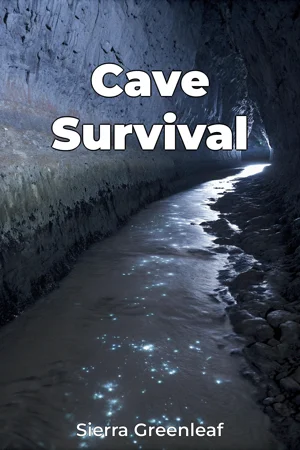
Imagine being trapped underground during a catastrophic event– a collapsing sinkhole after an earthquake, a sudden flood surging through a cavern system, or a nuclear event forcing people into subterranean shelters. "Cave Survival" is your definitive guide to not only surviving, but thriving, in such unexpected subterranean circumstances. This book prepares you with the essential knowledge and skills to navigate, find resources, and endure the unique challenges presented by caves during natural disasters or emergencies. Central to our exploration are three key concepts: understanding cave environments, mastering survival techniques adapted for caves, and developing resilient mental strategies for enduring prolonged isolation and danger. Each aspect is undeniably crucial; knowledge of cave ecosystems is the foundation for resource acquisition, specialized survival techniques mitigate the inherent risks of cave environments, and mental fortitude is the deciding factor when all else fails. Disasters forcing people underground are not new, but modern understanding of cave environments, emergency preparedness, and technological advancements makes cave survival more feasible than ever. Before diving into advanced strategies, the book introduces the fundamentals of cave geology, hydrology, and biology. This background provides the reader with a framework for understanding cave formation, locating potential water sources, and identifying edible or dangerous organisms. Crucially, it highlights the dangers of cave-ins, poisonous gases, and the potential for flash floods in subterranean systems. The central argument of "Cave Survival" is that proactive preparation, combined with a comprehensive understanding of cave environments, can significantly increase the likelihood of survival during unforeseen events. It challenges the notion that caves are simply dark and dangerous places, instead presenting them as complex environments with resources that can be utilized with the appropriate knowledge. The structure of the book mirrors the stages of a survival scenario. It begins by introducing the variety of cave environments and their inherent hazards. Then, it transitions to the immediate actions required for survival following a disaster, including assessing injuries, establishing a safe base, and signaling for help. Progressing onward, the book details methods for procuring water, finding food, managing waste, navigating in complete darkness, and constructing makeshift shelters. This builds toward strategies for long-term survival, the importance of maintaining physical and mental health, and techniques for dealing with psychological challenges like claustrophobia and sensory deprivation. The book culminates with strategies for eventual escape or rescue and how to adapt what has been learned to improve personal and community resilience against future disasters. The strategies presented are supported by both scientific research and real-world survival accounts. Geological surveys, speleological expedition reports, and accounts from individuals who have found themselves in similar situations will serve as evidence. Further, expert opinions from experienced cavers, survival trainers, and medical professionals are included. "Cave Survival" draws connections across multiple fields, linking Earth Sciences Geography with topics from human psychology (coping mechanisms, stress management), and civil engineering (structural stability, makeshift construction). This interdisciplinary approach provides a more holistic understanding of cave survival, making it more applicable across diverse scenarios. Unlike general survival guides, this book focuses specifically on the complexities of caves. The focus on psychological resilience in dark, enclosed spaces sets it apart. Written in a clear, accessible style while retaining scientific accuracy, it avoids sensationalism. It is intended for outdoor enthusiasts, emergency preparedness professionals, cavers, and anyone interested in learning about survival in extreme environments. The information can be practically applied to personal preparedness plans, emergency response strategies, and educational programs. While the book aims to provide a broad overview, it is by no means exhaustive; local cave systems vary significantly, and readers are encouraged to supplement it with regional information and training. While it emphasizes the practical aspects of cave survival, it also touches upon ongoing debates regarding responsible caving practices and the potential impact of human activity on fragile cave ecosystems. The book underscores the importance of respecting these unique environments, even during emergency circumstances.
Imagine being trapped underground during a catastrophic event– a collapsing sinkhole after an earthquake, a sudden flood surging through a cavern system, or a nuclear event forcing people into subterranean shelters. "Cave Survival" is your definitive guide to not only surviving, but thriving, in such unexpected subterranean circumstances. This book prepares you with the essential knowledge and skills to navigate, find resources, and endure the unique challenges presented by caves during natural disasters or emergencies. Central to our exploration are three key concepts: understanding cave environments, mastering survival techniques adapted for caves, and developing resilient mental strategies for enduring prolonged isolation and danger. Each aspect is undeniably crucial; knowledge of cave ecosystems is the foundation for resource acquisition, specialized survival techniques mitigate the inherent risks of cave environments, and mental fortitude is the deciding factor when all else fails. Disasters forcing people underground are not new, but modern understanding of cave environments, emergency preparedness, and technological advancements makes cave survival more feasible than ever. Before diving into advanced strategies, the book introduces the fundamentals of cave geology, hydrology, and biology. This background provides the reader with a framework for understanding cave formation, locating potential water sources, and identifying edible or dangerous organisms. Crucially, it highlights the dangers of cave-ins, poisonous gases, and the potential for flash floods in subterranean systems. The central argument of "Cave Survival" is that proactive preparation, combined with a comprehensive understanding of cave environments, can significantly increase the likelihood of survival during unforeseen events. It challenges the notion that caves are simply dark and dangerous places, instead presenting them as complex environments with resources that can be utilized with the appropriate knowledge. The structure of the book mirrors the stages of a survival scenario. It begins by introducing the variety of cave environments and their inherent hazards. Then, it transitions to the immediate actions required for survival following a disaster, including assessing injuries, establishing a safe base, and signaling for help. Progressing onward, the book details methods for procuring water, finding food, managing waste, navigating in complete darkness, and constructing makeshift shelters. This builds toward strategies for long-term survival, the importance of maintaining physical and mental health, and techniques for dealing with psychological challenges like claustrophobia and sensory deprivation. The book culminates with strategies for eventual escape or rescue and how to adapt what has been learned to improve personal and community resilience against future disasters. The strategies presented are supported by both scientific research and real-world survival accounts. Geological surveys, speleological expedition reports, and accounts from individuals who have found themselves in similar situations will serve as evidence. Further, expert opinions from experienced cavers, survival trainers, and medical professionals are included. "Cave Survival" draws connections across multiple fields, linking Earth Sciences Geography with topics from human psychology (coping mechanisms, stress management), and civil engineering (structural stability, makeshift construction). This interdisciplinary approach provides a more holistic understanding of cave survival, making it more applicable across diverse scenarios. Unlike general survival guides, this book focuses specifically on the complexities of caves. The focus on psychological resilience in dark, enclosed spaces sets it apart. Written in a clear, accessible style while retaining scientific accuracy, it avoids sensationalism. It is intended for outdoor enthusiasts, emergency preparedness professionals, cavers, and anyone interested in learning about survival in extreme environments. The information can be practically applied to personal preparedness plans, emergency response strategies, and educational programs. While the book aims to provide a broad overview, it is by no means exhaustive; local cave systems vary significantly, and readers are encouraged to supplement it with regional information and training. While it emphasizes the practical aspects of cave survival, it also touches upon ongoing debates regarding responsible caving practices and the potential impact of human activity on fragile cave ecosystems. The book underscores the importance of respecting these unique environments, even during emergency circumstances.
"Cave Survival" offers a comprehensive guide to surviving disasters in subterranean environments, emphasizing preparation and understanding cave ecosystems. The book uniquely combines Earth Sciences Geography with survival techniques, and mental strategies to address the challenges of cave environments during emergencies. It highlights the importance of understanding cave geology for finding resources like water and avoiding hazards such as cave-ins and poisonous gases. The book progresses logically, mirroring the stages of a survival scenario. It starts with identifying cave environments and their hazards, then transitions to immediate survival actions like assessing injuries and signaling for help. It details methods for water procurement, food sourcing, navigation in darkness, and shelter construction, ultimately covering long-term survival strategies, mental health maintenance, and escape or rescue techniques. What sets "Cave Survival" apart is its focus on the psychological aspects of being trapped underground, such as claustrophobia and sensory deprivation, alongside practical survival skills. It uses scientific research, real-world survival accounts, and expert opinions to provide a holistic understanding applicable to personal preparedness and emergency response. The book is designed to equip outdoor enthusiasts and emergency professionals with the knowledge to not only survive but thrive in unexpected subterranean circumstances.
Book Details
ISBN
9788233964719
Publisher
Publifye AS
Your Licenses
You don't own any licenses for this book
Purchase a license below to unlock this book and download the EPUB.
Purchase License
Select a tier to unlock this book
Need bulk licensing?
Contact us for enterprise agreements.