
About This Book
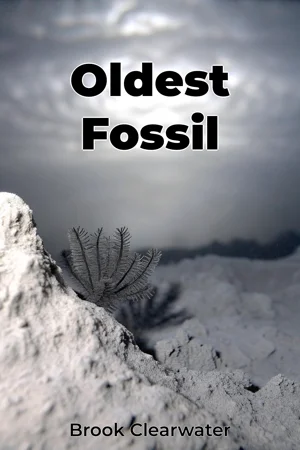
Have you ever wondered about the very origins of life on Earth, tracing its faint, ancient footsteps back to a time when our planet was still young and volatile? This book, *Oldest Fossil*, embarks on a scientific journey to explore the groundbreaking discovery and profound implications of the world's oldest fossil, a relic dating back billions of years, forcing us to reconsider the timeline and environment in which life emerged. This exploration delves into the interconnected realms of geology, biology, and geochemistry to unravel the story of this ancient fossil. Its significance lies in providing tangible evidence of life's tenacity and adaptability in the face of extreme conditions, pushing the boundaries of our understanding regarding the conditions necessary for life to arise. We will further investigate the geological processes that preserved this invaluable specimen as well as what the fossil can teach us about the early Earth's atmosphere and oceans. The information presented is vital for researchers, students, and anyone curious about the history of life. Understanding the nature of early Earth – its atmosphere, oceans, and geological activity – is crucial for interpreting the significance of this fossil. Readers will need a basic grasp of geological timescales, fundamental biological concepts like cell structure, a grasp on evolutionary relationships, and an understanding of the scientific method. The book serves as a comprehensive resource, guiding the reader through these essential concepts. The central argument of *Oldest Fossil* is that this fossil represents a crucial piece of evidence in reconstructing the puzzle of early life, challenging existing hypotheses about the timing and mechanisms of abiogenesis – the origin of life from non-living matter. This argument holds immense importance as it influences our understanding of the potential for life elsewhere in the universe and sheds light on the evolutionary processes that have shaped our planet. The book is structured to provide a comprehensive and accessible account of the discovery and its implications. It begins by introducing the fossil itself, including its geological context and age determination. It then delves into the methodologies used to analyze the fossil’s structure and chemical composition, providing insights into the type of organism it represents and the environment in which it thrived. Subsequent sections explore the broader implications of this discovery for our understanding of early life, including its impact on theories of abiogenesis and the evolution of metabolic pathways. The culminating chapters discuss how this information can inform our search for life beyond Earth, influencing our strategies for identifying habitable planets and detecting biosignatures. The evidence presented in *Oldest Fossil* is based on a combination of geological surveys, microscopic imaging techniques, geochemical analyses, and phylogenetic comparisons. It incorporates data from cutting-edge scientific instruments and research conducted by leading experts in the field. This book will also discuss the methodology used to confirm the biogenicity of the structure. The book bridges several disciplines, including Earth Sciences, Life Sciences, and even Astronomy. The Earth Sciences provide the geological context for the fossil; Life Sciences offer the biological framework for understanding its structure and function; and astronomy connects the findings to the search for extraterrestrial life. These interdisciplinary connections enrich the book's narrative and provide a holistic view of the subject matter. This book offers a unique perspective by integrating cutting-edge research with accessible explanations, making complex scientific concepts understandable to a broad audience. *Oldest Fossil* will be written in a descriptive and engaging style that balances scientific rigor with narrative clarity. It aims to be both informative and thought-provoking, encouraging readers to consider the profound implications of this discovery. The target audience includes students of biology, geology, and astrobiology, as well as science enthusiasts and anyone curious about the origins of life. It offers valuable insights into the ongoing debates surrounding the early history of life and provides a foundation for further exploration of this fascinating field. As a work of fact-based non-fiction, *Oldest Fossil* adheres to rigorous standards of scientific accuracy. It presents information objectively, drawing on peer-reviewed research and established scientific principles. The scope of the book is limited to the study and interpretation of the oldest fossil. While it touches on broader debates about the origin of life, it does not attempt to provide a comprehensive overview of all related theories but focuses on the evidence provided by this specific fossil. The information presented in *Oldest Fossil* has practical applications in various fields. It can inform our strategies for searching for life on other planets, improve our understanding of the environmental conditions that support life, and inspire new approaches to biotechnology and materials science. While this fossil provides compelling evidence for early life, it is important to acknowledge that there are still ongoing debates about its interpretation. Some researchers may question whether the structure is truly biogenic or whether it could have formed through non-biological processes. The book addresses these concerns and presents the counterarguments, providing a balanced perspective on the current state of knowledge.
Have you ever wondered about the very origins of life on Earth, tracing its faint, ancient footsteps back to a time when our planet was still young and volatile? This book, *Oldest Fossil*, embarks on a scientific journey to explore the groundbreaking discovery and profound implications of the world's oldest fossil, a relic dating back billions of years, forcing us to reconsider the timeline and environment in which life emerged. This exploration delves into the interconnected realms of geology, biology, and geochemistry to unravel the story of this ancient fossil. Its significance lies in providing tangible evidence of life's tenacity and adaptability in the face of extreme conditions, pushing the boundaries of our understanding regarding the conditions necessary for life to arise. We will further investigate the geological processes that preserved this invaluable specimen as well as what the fossil can teach us about the early Earth's atmosphere and oceans. The information presented is vital for researchers, students, and anyone curious about the history of life. Understanding the nature of early Earth – its atmosphere, oceans, and geological activity – is crucial for interpreting the significance of this fossil. Readers will need a basic grasp of geological timescales, fundamental biological concepts like cell structure, a grasp on evolutionary relationships, and an understanding of the scientific method. The book serves as a comprehensive resource, guiding the reader through these essential concepts. The central argument of *Oldest Fossil* is that this fossil represents a crucial piece of evidence in reconstructing the puzzle of early life, challenging existing hypotheses about the timing and mechanisms of abiogenesis – the origin of life from non-living matter. This argument holds immense importance as it influences our understanding of the potential for life elsewhere in the universe and sheds light on the evolutionary processes that have shaped our planet. The book is structured to provide a comprehensive and accessible account of the discovery and its implications. It begins by introducing the fossil itself, including its geological context and age determination. It then delves into the methodologies used to analyze the fossil’s structure and chemical composition, providing insights into the type of organism it represents and the environment in which it thrived. Subsequent sections explore the broader implications of this discovery for our understanding of early life, including its impact on theories of abiogenesis and the evolution of metabolic pathways. The culminating chapters discuss how this information can inform our search for life beyond Earth, influencing our strategies for identifying habitable planets and detecting biosignatures. The evidence presented in *Oldest Fossil* is based on a combination of geological surveys, microscopic imaging techniques, geochemical analyses, and phylogenetic comparisons. It incorporates data from cutting-edge scientific instruments and research conducted by leading experts in the field. This book will also discuss the methodology used to confirm the biogenicity of the structure. The book bridges several disciplines, including Earth Sciences, Life Sciences, and even Astronomy. The Earth Sciences provide the geological context for the fossil; Life Sciences offer the biological framework for understanding its structure and function; and astronomy connects the findings to the search for extraterrestrial life. These interdisciplinary connections enrich the book's narrative and provide a holistic view of the subject matter. This book offers a unique perspective by integrating cutting-edge research with accessible explanations, making complex scientific concepts understandable to a broad audience. *Oldest Fossil* will be written in a descriptive and engaging style that balances scientific rigor with narrative clarity. It aims to be both informative and thought-provoking, encouraging readers to consider the profound implications of this discovery. The target audience includes students of biology, geology, and astrobiology, as well as science enthusiasts and anyone curious about the origins of life. It offers valuable insights into the ongoing debates surrounding the early history of life and provides a foundation for further exploration of this fascinating field. As a work of fact-based non-fiction, *Oldest Fossil* adheres to rigorous standards of scientific accuracy. It presents information objectively, drawing on peer-reviewed research and established scientific principles. The scope of the book is limited to the study and interpretation of the oldest fossil. While it touches on broader debates about the origin of life, it does not attempt to provide a comprehensive overview of all related theories but focuses on the evidence provided by this specific fossil. The information presented in *Oldest Fossil* has practical applications in various fields. It can inform our strategies for searching for life on other planets, improve our understanding of the environmental conditions that support life, and inspire new approaches to biotechnology and materials science. While this fossil provides compelling evidence for early life, it is important to acknowledge that there are still ongoing debates about its interpretation. Some researchers may question whether the structure is truly biogenic or whether it could have formed through non-biological processes. The book addresses these concerns and presents the counterarguments, providing a balanced perspective on the current state of knowledge.
"Oldest Fossil" explores the groundbreaking discovery of the world's oldest fossil, a relic that redefines our understanding of early life and abiogenesis on Earth. This book journeys through geology, biology, and geochemistry to reveal the fossil's story, highlighting its implications for life's origins. The book emphasizes how this ancient fossil, preserved through geological processes, provides tangible evidence of life's tenacity and adaptability in extreme conditions, pushing the boundaries of our knowledge. The narrative begins by introducing the fossil within its geological context and age, transitioning to the methodologies employed to analyze its structure and chemical composition, offering insights into the organism it represents and its thriving environment. The book progresses to explore the broader implications of this discovery for our understanding of early life, impacting theories of abiogenesis and the evolution of metabolic pathways, before discussing how this information informs our search for life beyond Earth and influences strategies for identifying habitable planets and detecting biosignatures. This book offers a unique perspective by integrating cutting-edge research with accessible explanations, making complex scientific concepts understandable to a broad audience.
Book Details
ISBN
9788233964689
Publisher
Publifye AS
Your Licenses
You don't own any licenses for this book
Purchase a license below to unlock this book and download the EPUB.
Purchase License
Select a tier to unlock this book
Need bulk licensing?
Contact us for enterprise agreements.