
About This Book
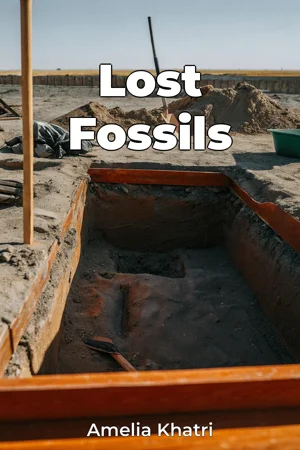
What if some of the most significant fossil discoveries in history were not merely lost to time through natural processes, but vanished due to theft, misplacement, or deliberate concealment? "Lost Fossils" delves into the intriguing world of paleontology, history, and Earth sciences to unearth the stories behind legendary fossils that went missing or were never fully revealed. This book examines the circumstances surrounding the disappearance of significant fossil finds, exploring the complex interplay of scientific ambition, personal rivalries, and historical events that contributed to their loss. The central argument posits that these "lost fossils" represent not just a loss for science, but also a distortion of our understanding of evolutionary history and the Earth's past. The narrative unfolds in three major sections. First, the book introduces the concept of paleontological loss, defining what constitutes a "lost fossil" and outlining the various reasons for their disappearance, from accidental destruction to intentional theft. This section emphasizes the precarious nature of the fossil record and the vital role of careful documentation and preservation. The second section focuses on specific case studies. These chapters investigate instances where fossils of immense scientific value vanished under mysterious circumstances. Examples include the fate of crucial dinosaur specimens allegedly stolen from excavation sites in Mongolia during periods of political instability, and the perplexing disappearance of early hominid fossils potentially misplaced or intentionally hidden during periods of intense academic competition. Each case study is meticulously researched, drawing upon archival materials, field notes, scientific publications, and interviews when available, to reconstruct the events leading to the fossil's disappearance. The third section explores the broader implications of these losses. It examines how the absence of these key specimens affects our current understanding of evolution, biogeography, and paleoclimatology. It also delves into the ethical and legal considerations surrounding fossil collection, ownership, and preservation, advocating for improved practices to prevent future losses. "Lost Fossils" connects to diverse fields such as archaeology, law, and museum studies. The legal aspects of fossil ownership and the role of museums in safeguarding paleontological heritage are crucial themes explored. The book offers a novel perspective by considering the human element in paleontological discoveries, acknowledging the impact of individual choices and societal conditions on the preservation of scientific knowledge. Written in a narrative non-fiction style, the book aims to engage a broad audience interested in science, history, and true crime. It seeks to appeal to amateur fossil enthusiasts, students, and anyone captivated by the mysteries of the natural world. While comprehensive, the book acknowledges its limitations, particularly the challenges in definitively resolving cases with incomplete or conflicting evidence. The content has real-world applications for researchers, museum professionals, and policymakers involved in the protection of paleontological resources. It underlines the importance of establishing clear protocols for fossil excavation, documentation, and storage, as well as fostering greater collaboration between scientists, governments, and local communities. The book also delves into controversies surrounding the illicit trade in fossils and the ongoing debates about repatriation of cultural and natural heritage. "Lost Fossils" investigates the captivating and unsettling reality that some of the most groundbreaking discoveries have been tragically lost, emphasizing the enduring need to safeguard our planet's paleontological legacy.
What if some of the most significant fossil discoveries in history were not merely lost to time through natural processes, but vanished due to theft, misplacement, or deliberate concealment? "Lost Fossils" delves into the intriguing world of paleontology, history, and Earth sciences to unearth the stories behind legendary fossils that went missing or were never fully revealed. This book examines the circumstances surrounding the disappearance of significant fossil finds, exploring the complex interplay of scientific ambition, personal rivalries, and historical events that contributed to their loss. The central argument posits that these "lost fossils" represent not just a loss for science, but also a distortion of our understanding of evolutionary history and the Earth's past. The narrative unfolds in three major sections. First, the book introduces the concept of paleontological loss, defining what constitutes a "lost fossil" and outlining the various reasons for their disappearance, from accidental destruction to intentional theft. This section emphasizes the precarious nature of the fossil record and the vital role of careful documentation and preservation. The second section focuses on specific case studies. These chapters investigate instances where fossils of immense scientific value vanished under mysterious circumstances. Examples include the fate of crucial dinosaur specimens allegedly stolen from excavation sites in Mongolia during periods of political instability, and the perplexing disappearance of early hominid fossils potentially misplaced or intentionally hidden during periods of intense academic competition. Each case study is meticulously researched, drawing upon archival materials, field notes, scientific publications, and interviews when available, to reconstruct the events leading to the fossil's disappearance. The third section explores the broader implications of these losses. It examines how the absence of these key specimens affects our current understanding of evolution, biogeography, and paleoclimatology. It also delves into the ethical and legal considerations surrounding fossil collection, ownership, and preservation, advocating for improved practices to prevent future losses. "Lost Fossils" connects to diverse fields such as archaeology, law, and museum studies. The legal aspects of fossil ownership and the role of museums in safeguarding paleontological heritage are crucial themes explored. The book offers a novel perspective by considering the human element in paleontological discoveries, acknowledging the impact of individual choices and societal conditions on the preservation of scientific knowledge. Written in a narrative non-fiction style, the book aims to engage a broad audience interested in science, history, and true crime. It seeks to appeal to amateur fossil enthusiasts, students, and anyone captivated by the mysteries of the natural world. While comprehensive, the book acknowledges its limitations, particularly the challenges in definitively resolving cases with incomplete or conflicting evidence. The content has real-world applications for researchers, museum professionals, and policymakers involved in the protection of paleontological resources. It underlines the importance of establishing clear protocols for fossil excavation, documentation, and storage, as well as fostering greater collaboration between scientists, governments, and local communities. The book also delves into controversies surrounding the illicit trade in fossils and the ongoing debates about repatriation of cultural and natural heritage. "Lost Fossils" investigates the captivating and unsettling reality that some of the most groundbreaking discoveries have been tragically lost, emphasizing the enduring need to safeguard our planet's paleontological legacy.
"Lost Fossils" explores a hidden side of paleontology: the disappearance of crucial fossils due to theft, misplacement, or concealment. This book argues that these losses distort our understanding of evolutionary history and the Earth's past. It sheds light on how human factors, such as scientific ambition and historical events, have impacted the fossil record. Imagine, for instance, how the disappearance of a key early hominid fossil could alter our interpretation of human evolution. The book progresses by first defining what constitutes a "lost fossil" and the reasons for their disappearance. Then, it investigates specific cases, like the alleged theft of dinosaur specimens from Mongolia. Finally, it explores the wider implications of these losses on our knowledge of evolution, biogeography, and paleoclimatology. This approach highlights the precarious nature of fossil preservation and the need for better documentation. By connecting Earth sciences, geography, and history, "Lost Fossils" offers a unique perspective on the human element in paleontological discoveries.
Book Details
ISBN
9788233964665
Publisher
Publifye AS
Your Licenses
You don't own any licenses for this book
Purchase a license below to unlock this book and download the EPUB.
Purchase License
Select a tier to unlock this book
Need bulk licensing?
Contact us for enterprise agreements.