
About This Book
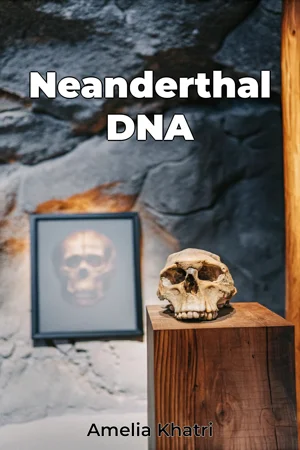
How much of our ancestry is truly human, and how much is a legacy from other hominids who once shared our planet? This book, "Neanderthal DNA," delves into the groundbreaking discoveries made through the analysis of Neanderthal fossils, revealing profound insights into both human genetics and the intricacies of prehistoric life. The study of Neanderthal DNA has become a cornerstone in understanding human evolution, genetic diversity, and the interactions between different hominid species. These topics are vital because they challenge long-held assumptions about human uniqueness and shed light on the complex tapestry of our origins. To understand the significance of Neanderthal DNA, we must first set the stage with the history of paleoanthropology and the development of molecular biology. Initially, inferences about Neanderthals were drawn solely from skeletal remains and archaeological artifacts, providing limited perspectives. The advent of DNA sequencing technologies transformed the field, allowing scientists to directly examine the genetic code of our ancient relatives. This book assumes a basic understanding of genetics but will carefully explain the evolutionary concepts necessary to appreciate the book’s arguments. This book's central argument revolves around the idea that Neanderthal DNA has fundamentally reshaped our understanding of human evolution. It posits that modern humans are not a single, homogenous species with a linear evolutionary history, but a composite population shaped by interbreeding with Neanderthals and other archaic hominids. This argument is critical because it challenges traditional views of human origins and highlights the importance of genetic admixture in shaping modern human traits and adaptations. "Neanderthal DNA" is structured to provide a comprehensive exploration of this compelling narrative. It begins with an introduction to the history of Neanderthal discoveries and the development of ancient DNA sequencing techniques. The book then transitions to the core evidence, presenting detailed analyses of Neanderthal genomes and comparisons with modern human DNA. Major sections will cover: a) The techniques used to extract, amplify, and sequence ancient DNA, accounting for the limitations of degraded samples. b) The evidence of Neanderthal genes in modern human populations, tracing their geographic distribution and potential functional roles. c) Exploring the insights into Neanderthal biology, including their physical appearance, disease susceptibility, and cognitive abilities, gleaned from their DNA. The book culminates by exploring the implications of Neanderthal admixture for human health, adaptation, and our understanding of what it means to be human.. The evidence presented relies heavily on genomic data obtained from Neanderthal fossils found across Europe and Asia. This includes comparative genomics, population genetics, and molecular anthropology. The book considers a range of scientific evidence from archaeology, climatology, and computer-based evolutionary modeling. The book makes interdisciplinary connections, linking genetics, anthropology, and archaeology, drawing insights from each discipline to build a richer understanding of the past. The book also connects to the field of medicine, since it elucidates how Neanderthal genes may influence our susceptibility to certain diseases. Furthermore, it touches on climate science, since changing environmental conditions likely shaped the interactions between Neanderthals and humans. "Neanderthal DNA" adopts a narrative non-fiction approach, presenting complex scientific information in an accessible and engaging manner. It avoids excessive technical jargon, explaining key concepts clearly and concisely while maintaining scientific rigor. The book is targeted towards a broad audience, including students, science enthusiasts, and anyone interested in human origins and the power of genetic research. This book stands out by integrating the latest genomic research with compelling storytelling, offering a fresh and nuanced perspective on the Neanderthals and their legacy in the modern human genome. The book's scope extends to the major discoveries concerning Neanderthal genomics, but it acknowledges limitations in the availability and quality of ancient DNA samples. It also steers clear of speculative interpretations, focusing on rigorously supported scientific findings. Knowledge from "Neanderthal DNA" can be applied to understand human genetic diversity, predict disease risks, and appreciate the role of interbreeding in shaping our species. The book also acknowledges ongoing debates about the extent and functional significance of Neanderthal DNA in modern humans, presenting different viewpoints fairly and critically. It emphasizes the dynamic and evolving nature of scientific knowledge, encouraging readers to engage with the material thoughtfully and skeptically.
How much of our ancestry is truly human, and how much is a legacy from other hominids who once shared our planet? This book, "Neanderthal DNA," delves into the groundbreaking discoveries made through the analysis of Neanderthal fossils, revealing profound insights into both human genetics and the intricacies of prehistoric life. The study of Neanderthal DNA has become a cornerstone in understanding human evolution, genetic diversity, and the interactions between different hominid species. These topics are vital because they challenge long-held assumptions about human uniqueness and shed light on the complex tapestry of our origins. To understand the significance of Neanderthal DNA, we must first set the stage with the history of paleoanthropology and the development of molecular biology. Initially, inferences about Neanderthals were drawn solely from skeletal remains and archaeological artifacts, providing limited perspectives. The advent of DNA sequencing technologies transformed the field, allowing scientists to directly examine the genetic code of our ancient relatives. This book assumes a basic understanding of genetics but will carefully explain the evolutionary concepts necessary to appreciate the book’s arguments. This book's central argument revolves around the idea that Neanderthal DNA has fundamentally reshaped our understanding of human evolution. It posits that modern humans are not a single, homogenous species with a linear evolutionary history, but a composite population shaped by interbreeding with Neanderthals and other archaic hominids. This argument is critical because it challenges traditional views of human origins and highlights the importance of genetic admixture in shaping modern human traits and adaptations. "Neanderthal DNA" is structured to provide a comprehensive exploration of this compelling narrative. It begins with an introduction to the history of Neanderthal discoveries and the development of ancient DNA sequencing techniques. The book then transitions to the core evidence, presenting detailed analyses of Neanderthal genomes and comparisons with modern human DNA. Major sections will cover: a) The techniques used to extract, amplify, and sequence ancient DNA, accounting for the limitations of degraded samples. b) The evidence of Neanderthal genes in modern human populations, tracing their geographic distribution and potential functional roles. c) Exploring the insights into Neanderthal biology, including their physical appearance, disease susceptibility, and cognitive abilities, gleaned from their DNA. The book culminates by exploring the implications of Neanderthal admixture for human health, adaptation, and our understanding of what it means to be human.. The evidence presented relies heavily on genomic data obtained from Neanderthal fossils found across Europe and Asia. This includes comparative genomics, population genetics, and molecular anthropology. The book considers a range of scientific evidence from archaeology, climatology, and computer-based evolutionary modeling. The book makes interdisciplinary connections, linking genetics, anthropology, and archaeology, drawing insights from each discipline to build a richer understanding of the past. The book also connects to the field of medicine, since it elucidates how Neanderthal genes may influence our susceptibility to certain diseases. Furthermore, it touches on climate science, since changing environmental conditions likely shaped the interactions between Neanderthals and humans. "Neanderthal DNA" adopts a narrative non-fiction approach, presenting complex scientific information in an accessible and engaging manner. It avoids excessive technical jargon, explaining key concepts clearly and concisely while maintaining scientific rigor. The book is targeted towards a broad audience, including students, science enthusiasts, and anyone interested in human origins and the power of genetic research. This book stands out by integrating the latest genomic research with compelling storytelling, offering a fresh and nuanced perspective on the Neanderthals and their legacy in the modern human genome. The book's scope extends to the major discoveries concerning Neanderthal genomics, but it acknowledges limitations in the availability and quality of ancient DNA samples. It also steers clear of speculative interpretations, focusing on rigorously supported scientific findings. Knowledge from "Neanderthal DNA" can be applied to understand human genetic diversity, predict disease risks, and appreciate the role of interbreeding in shaping our species. The book also acknowledges ongoing debates about the extent and functional significance of Neanderthal DNA in modern humans, presenting different viewpoints fairly and critically. It emphasizes the dynamic and evolving nature of scientific knowledge, encouraging readers to engage with the material thoughtfully and skeptically.
"Neanderthal DNA" explores the groundbreaking field of ancient DNA research and its profound impact on our understanding of human evolution. By analyzing Neanderthal fossils, scientists have uncovered surprising insights into our genetic makeup and the complex interactions between different hominid species. This book challenges the traditional view of human origins, suggesting that modern humans are not a homogenous group but rather a composite population shaped by interbreeding with Neanderthals and other archaic hominids. One intriguing discovery highlights how Neanderthal genes may influence our susceptibility to certain diseases, demonstrating the lasting legacy of these ancient relatives. The book begins by tracing the history of paleoanthropology and the development of molecular biology techniques, setting the stage for understanding the significance of Neanderthal genomics. It then delves into the core evidence, presenting detailed analyses of Neanderthal genomes and comparing them with modern human DNA. Through comparative genomics and population genetics, the book reveals the geographic distribution of Neanderthal genes in modern populations and explores their potential functional roles. This interdisciplinary approach, linking genetics, anthropology, and archaeology, offers a richer understanding of prehistoric life and the forces that shaped our species.
Book Details
ISBN
9788233964634
Publisher
Publifye AS
Your Licenses
You don't own any licenses for this book
Purchase a license below to unlock this book and download the EPUB.
Purchase License
Select a tier to unlock this book
Need bulk licensing?
Contact us for enterprise agreements.