
About This Book
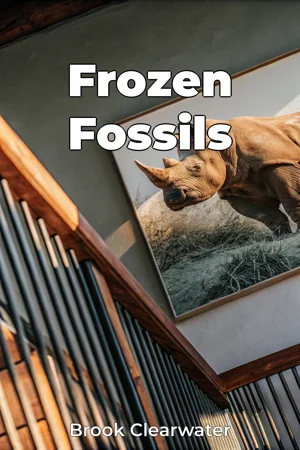
Imagine stumbling upon a perfectly preserved woolly rhino, its last meal still in its mouth, frozen in time for tens of thousands of years. "Frozen Fossils" explores the captivating world of ice age megafauna and the remarkable ways in which these ancient animals have been preserved in the permafrost of Siberia, Alaska, and other frozen regions. This book delves into the scientific processes behind such incredible preservation, examining how these frozen remains provide invaluable insights into the Earth's past climate, ecosystems, and the lives of creatures that roamed the planet during the Pleistocene epoch. The book's central argument revolves around the idea that these frozen fossils are not merely relics of a bygone era, but rather time capsules holding critical information about past environmental conditions and evolutionary adaptations. Their study offers a unique opportunity to understand the impacts of climate change and predict future ecological shifts. This argument is crucial because it highlights the relevance of paleontology to contemporary environmental science, demonstrating how the past can inform our understanding of the present and future. "Frozen Fossils" begins by introducing the concept of permafrost and the conditions necessary for the preservation of organic material. It then explores the key species discovered in these icy tombs, including woolly mammoths, woolly rhinos, cave lions, and ancient horses. Each chapter details the specific anatomical and genetic insights gleaned from these specimens, exploring their diets, lifespans, and adaptations to the harsh environments they inhabited. The book also examines the various methods scientists use to excavate, analyze, and interpret these frozen finds, from radiocarbon dating to DNA sequencing and isotopic analysis. Importantly, the work considers the interdisciplinary connections between paleontology, climatology, and genetics. By combining these fields, researchers can reconstruct ancient ecosystems and understand how climate fluctuations influenced the evolution and extinction of these megafauna. Furthermore, the book touches upon the ethical considerations surrounding the excavation and study of these fossils, acknowledging the importance of respecting cultural heritage and working with local communities. The narrative maintains a fact-based, scientific tone, presenting information with precision and clarity. The book offers a unique perspective by integrating both the paleontological discoveries and the scientific methods used to analyze them. It will appeal to readers with an interest in natural history, earth sciences, and the intersection of science and history. While covering a broad spectrum of information, it focuses on the specific processes and discoveries related to frozen fossils, acknowledging that broader paleontological topics are outside the scope of this work. The reader is not required to have advanced scientific knowledge. The information presented in "Frozen Fossils" has real-world applications, including informing conservation efforts and understanding the potential impacts of climate change on modern ecosystems. The book also addresses some of the ongoing debates surrounding the causes of megafaunal extinctions, weighing the relative roles of climate change and human activity. It avoids sensationalism, instead presenting a balanced and nuanced view of the scientific evidence. "Frozen Fossils" aims to be a valuable resource for anyone seeking to understand the fascinating world of ice age megafauna and the crucial role they play in understanding our planet's past and future.
Imagine stumbling upon a perfectly preserved woolly rhino, its last meal still in its mouth, frozen in time for tens of thousands of years. "Frozen Fossils" explores the captivating world of ice age megafauna and the remarkable ways in which these ancient animals have been preserved in the permafrost of Siberia, Alaska, and other frozen regions. This book delves into the scientific processes behind such incredible preservation, examining how these frozen remains provide invaluable insights into the Earth's past climate, ecosystems, and the lives of creatures that roamed the planet during the Pleistocene epoch. The book's central argument revolves around the idea that these frozen fossils are not merely relics of a bygone era, but rather time capsules holding critical information about past environmental conditions and evolutionary adaptations. Their study offers a unique opportunity to understand the impacts of climate change and predict future ecological shifts. This argument is crucial because it highlights the relevance of paleontology to contemporary environmental science, demonstrating how the past can inform our understanding of the present and future. "Frozen Fossils" begins by introducing the concept of permafrost and the conditions necessary for the preservation of organic material. It then explores the key species discovered in these icy tombs, including woolly mammoths, woolly rhinos, cave lions, and ancient horses. Each chapter details the specific anatomical and genetic insights gleaned from these specimens, exploring their diets, lifespans, and adaptations to the harsh environments they inhabited. The book also examines the various methods scientists use to excavate, analyze, and interpret these frozen finds, from radiocarbon dating to DNA sequencing and isotopic analysis. Importantly, the work considers the interdisciplinary connections between paleontology, climatology, and genetics. By combining these fields, researchers can reconstruct ancient ecosystems and understand how climate fluctuations influenced the evolution and extinction of these megafauna. Furthermore, the book touches upon the ethical considerations surrounding the excavation and study of these fossils, acknowledging the importance of respecting cultural heritage and working with local communities. The narrative maintains a fact-based, scientific tone, presenting information with precision and clarity. The book offers a unique perspective by integrating both the paleontological discoveries and the scientific methods used to analyze them. It will appeal to readers with an interest in natural history, earth sciences, and the intersection of science and history. While covering a broad spectrum of information, it focuses on the specific processes and discoveries related to frozen fossils, acknowledging that broader paleontological topics are outside the scope of this work. The reader is not required to have advanced scientific knowledge. The information presented in "Frozen Fossils" has real-world applications, including informing conservation efforts and understanding the potential impacts of climate change on modern ecosystems. The book also addresses some of the ongoing debates surrounding the causes of megafaunal extinctions, weighing the relative roles of climate change and human activity. It avoids sensationalism, instead presenting a balanced and nuanced view of the scientific evidence. "Frozen Fossils" aims to be a valuable resource for anyone seeking to understand the fascinating world of ice age megafauna and the crucial role they play in understanding our planet's past and future.
"Frozen Fossils" explores the fascinating world of ice age megafauna preserved in permafrost, offering insights into Earth's past climate and ecosystems. These frozen remains, like woolly mammoths and woolly rhinos, provide invaluable data about the Pleistocene epoch. One intriguing fact is that some specimens are so well-preserved that their last meals are still intact, offering clues about their diets. The book highlights how studying these fossils helps us understand the impacts of climate change and predict future ecological shifts by examining the anatomical and genetic insights gleaned from these specimens. The book presents a fact-based, scientific exploration of how scientists excavate, analyze, and interpret these frozen finds using methods like radiocarbon dating and DNA sequencing. It emphasizes the interdisciplinary connections between paleontology, climatology, and genetics, showing how these fields combine to reconstruct ancient ecosystems. "Frozen Fossils" progresses by introducing permafrost and preservation conditions before detailing specific species and the scientific methods used to study them, avoiding sensationalism and focusing on balanced scientific evidence.
Book Details
ISBN
9788233964627
Publisher
Publifye AS
Your Licenses
You don't own any licenses for this book
Purchase a license below to unlock this book and download the EPUB.
Purchase License
Select a tier to unlock this book
Need bulk licensing?
Contact us for enterprise agreements.