
About This Book
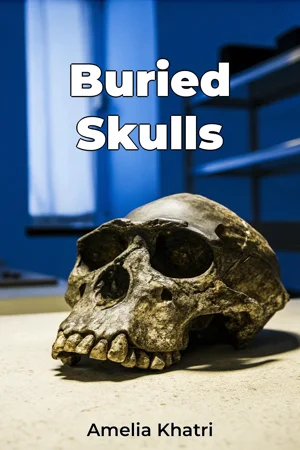
What if everything we thought we knew about human origins was wrong? "Buried Skulls" challenges conventional wisdom and explores how groundbreaking discoveries of ancient hominin skulls are reshaping our understanding of human history and evolution. This book delves into the world of paleoanthropology, examining the fossil record to reveal a more complex and nuanced picture of our ancestry than previously imagined. We navigate the intricate web of human evolution, focusing on pivotal fossil finds that defy easy categorization and challenge established timelines. These discoveries force us to reconsider the linear, tree-like model of human evolution, advocating for a more interconnected, bush-like model with multiple hominin species coexisting and interbreeding. We will explore the techniques of dating methods used in archaeology, how DNA analysis plays a role in determining relationships, and the environmental contexts that shaped our ancestors. "Buried Skulls" argues that the story of human evolution is not a simple progression from primitive ape-like ancestors to modern *Homo sapiens*. Instead, it’s a tale of adaptation, diversification, and, at times, extinction. The book examines the impact of geographical isolation, climate change, and interspecies competition on the evolutionary trajectory of various hominin groups. The central argument is that by embracing the complexity and ambiguity of the fossil record, we can gain a deeper and more accurate appreciation of our origins. The book unfolds in a series of carefully structured chapters. It begins with an introduction to the fundamental principles of paleoanthropology and the methods used to study ancient hominin remains. The main body of the book focuses on key fossil discoveries such as those found in Dmanisi, Georgia, and in South Africa, presenting detailed analyses of their anatomical features, geological context, and evolutionary significance. We examine the controversies surrounding the interpretation of these finds, and debate the implications for our understanding of human origins. Ultimately, the book culminates in a synthesis of current knowledge, offering a revised model of human evolution that emphasizes the importance of adaptation, gene flow, and environmental pressures. The evidence presented in the book draws from a wide range of sources, including original research papers, museum collections, and firsthand accounts from leading paleoanthropologists. We will highlight the use of advanced imaging techniques, such as CT scanning and 3D modeling, to analyze fossil skulls in unprecedented detail. "Buried Skulls" intersects with various disciplines including genetics, geology, and climate science. By integrating insights from these fields, the book provides a comprehensive and interdisciplinary perspective on human evolution. This book takes a novel approach by focusing on the inherent ambiguity and incompleteness of the fossil record. Rather than attempting to force the data into a rigid framework, it embraces the uncertainty and uses it as a catalyst for new ideas and lines of inquiry. The tone is professional and accessible, explaining complex scientific concepts in a clear and engaging manner using language suitable for a broad audience. "Buried Skulls" is targeted towards anyone with an interest in human evolution, archaeology, and the history of life on Earth. The book would appeal to students, science enthusiasts, and general readers who are curious about the latest discoveries and debates in paleoanthropology. As a history and science book, "Buried Skulls" provides a comprehensive overview of current knowledge, while also challenging readers to think critically about the evidence and the interpretations. The scope of this book is limited to the study of hominin skulls and their implications for understanding human evolution. While it touches upon related topics such as genetics and climate change, it does not delve into these areas in great detail. The book acknowledges that our understanding of human evolution is constantly evolving, and that new discoveries may one day challenge the conclusions presented here. The insights presented have real-world applications, from informing medical research to shaping our understanding of human behavior and social structures. The book addresses ongoing debates in the field, such as the ongoing controversies surrounding species definitions and the interpretation of fossil evidence. By examining these controversies, "Buried Skulls" encourages readers to engage with the complexities of human evolution and to appreciate the ongoing nature of scientific discovery. This is a captivating journey into the past that redefines our understanding of what it means to be human.
What if everything we thought we knew about human origins was wrong? "Buried Skulls" challenges conventional wisdom and explores how groundbreaking discoveries of ancient hominin skulls are reshaping our understanding of human history and evolution. This book delves into the world of paleoanthropology, examining the fossil record to reveal a more complex and nuanced picture of our ancestry than previously imagined. We navigate the intricate web of human evolution, focusing on pivotal fossil finds that defy easy categorization and challenge established timelines. These discoveries force us to reconsider the linear, tree-like model of human evolution, advocating for a more interconnected, bush-like model with multiple hominin species coexisting and interbreeding. We will explore the techniques of dating methods used in archaeology, how DNA analysis plays a role in determining relationships, and the environmental contexts that shaped our ancestors. "Buried Skulls" argues that the story of human evolution is not a simple progression from primitive ape-like ancestors to modern *Homo sapiens*. Instead, it’s a tale of adaptation, diversification, and, at times, extinction. The book examines the impact of geographical isolation, climate change, and interspecies competition on the evolutionary trajectory of various hominin groups. The central argument is that by embracing the complexity and ambiguity of the fossil record, we can gain a deeper and more accurate appreciation of our origins. The book unfolds in a series of carefully structured chapters. It begins with an introduction to the fundamental principles of paleoanthropology and the methods used to study ancient hominin remains. The main body of the book focuses on key fossil discoveries such as those found in Dmanisi, Georgia, and in South Africa, presenting detailed analyses of their anatomical features, geological context, and evolutionary significance. We examine the controversies surrounding the interpretation of these finds, and debate the implications for our understanding of human origins. Ultimately, the book culminates in a synthesis of current knowledge, offering a revised model of human evolution that emphasizes the importance of adaptation, gene flow, and environmental pressures. The evidence presented in the book draws from a wide range of sources, including original research papers, museum collections, and firsthand accounts from leading paleoanthropologists. We will highlight the use of advanced imaging techniques, such as CT scanning and 3D modeling, to analyze fossil skulls in unprecedented detail. "Buried Skulls" intersects with various disciplines including genetics, geology, and climate science. By integrating insights from these fields, the book provides a comprehensive and interdisciplinary perspective on human evolution. This book takes a novel approach by focusing on the inherent ambiguity and incompleteness of the fossil record. Rather than attempting to force the data into a rigid framework, it embraces the uncertainty and uses it as a catalyst for new ideas and lines of inquiry. The tone is professional and accessible, explaining complex scientific concepts in a clear and engaging manner using language suitable for a broad audience. "Buried Skulls" is targeted towards anyone with an interest in human evolution, archaeology, and the history of life on Earth. The book would appeal to students, science enthusiasts, and general readers who are curious about the latest discoveries and debates in paleoanthropology. As a history and science book, "Buried Skulls" provides a comprehensive overview of current knowledge, while also challenging readers to think critically about the evidence and the interpretations. The scope of this book is limited to the study of hominin skulls and their implications for understanding human evolution. While it touches upon related topics such as genetics and climate change, it does not delve into these areas in great detail. The book acknowledges that our understanding of human evolution is constantly evolving, and that new discoveries may one day challenge the conclusions presented here. The insights presented have real-world applications, from informing medical research to shaping our understanding of human behavior and social structures. The book addresses ongoing debates in the field, such as the ongoing controversies surrounding species definitions and the interpretation of fossil evidence. By examining these controversies, "Buried Skulls" encourages readers to engage with the complexities of human evolution and to appreciate the ongoing nature of scientific discovery. This is a captivating journey into the past that redefines our understanding of what it means to be human.
"Buried Skulls" offers a captivating exploration into the ever-evolving field of human evolution. Challenging the traditional linear view of our ancestry, the book delves into paleoanthropology, presenting a more complex, bush-like model where multiple ancient hominin species coexisted. It examines pivotal fossil discoveries, such as those in Dmanisi, Georgia, and South Africa, that defy easy categorization and force us to reconsider established timelines. The book highlights the ambiguity of the fossil record, using it as a catalyst for understanding our origins. This book integrates insights from fields like genetics and climate science to provide a comprehensive view of human origins. It also explores the impact of climate change and geographical isolation on the evolutionary trajectory of hominin skulls. By embracing the complexity of the fossil record, "Buried Skulls" emphasizes adaptation, gene flow, and environmental pressures in shaping our evolutionary trajectory. The book progresses through carefully structured chapters, beginning with the principles of paleoanthropology and culminating in a revised model of human evolution.
Book Details
ISBN
9788233964603
Publisher
Publifye AS
Your Licenses
You don't own any licenses for this book
Purchase a license below to unlock this book and download the EPUB.
Purchase License
Select a tier to unlock this book
Need bulk licensing?
Contact us for enterprise agreements.