
About This Book
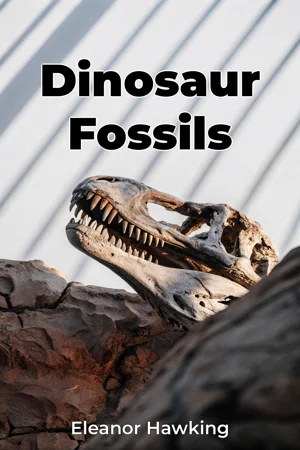
Imagine holding a fragment of a creature that roamed the Earth millions of years ago. This book, "Dinosaur Fossils," delves into the captivating world of paleontology, exploring how the study of these ancient remains unlocks crucial insights into prehistoric life and the evolution of our planet. We will explore the fascinating journey of dinosaur fossils, from their initial discovery to the sophisticated scientific techniques used to analyze them, and ultimately, what these discoveries reveal about the lives and environments of these magnificent creatures. The book focuses on three major topics: the process of fossilization, the methods paleontologists use to study fossils, and the information gained about dinosaur biology, behavior, and ecosystems. Understanding fossilization is crucial because it clarifies how bones and other organic material transform into the rock-like forms we unearth today, highlighting the rarity and incredible luck involved in the preservation of these remains. Exploring paleontological techniques is equally vital, as it showcases the meticulous work of scientists who use cutting-edge technologies to extract information from fossils, often dealing with incomplete or damaged specimens. Finally, examining what we have learned about dinosaur life provides readers with a comprehensive picture of these animals' place in Earth’s history. To fully appreciate the study of dinosaur fossils, it's necessary to understand the geological timescale and basic evolutionary principles. Fossils provide tangible evidence supporting the theory of evolution and demonstrate how life on Earth has changed drastically over millions of years. The central argument of "Dinosaur Fossils" is that the study of these fossils is pivotal, providing a unique window into understanding not only the past but also the present and potential future of life on Earth. The book details the dynamic nature of ecosystems and demonstrates how past extinctions and environmental changes have shaped the world we live in today. The book begins by introducing the concept of fossils and fossilization, describing the different types of fossils, and explaining the geological processes that lead to their formation. It then moves on to the methods used by paleontologists, covering excavation techniques, fossil preparation, dating methods (like radiometric dating), and advanced imaging technologies such as CT scanning and 3D modeling. Following this, the book delves into the information gleaned from fossils, discussing dinosaur anatomy, physiology, behavior (inferred from bone structure, footprints, and coprolites), diet (determined from teeth and stomach contents), and social interactions. The evidence presented comes from decades of paleontological research, including field studies, laboratory analyses, and published scientific papers. Unique data sources, such as exceptionally well-preserved fossil sites (like the Jehol Biota in China or the Messel Pit in Germany) and newly discovered dinosaur species, are highlighted. "Dinosaur Fossils" connects to various fields, including geology (understanding rock formations and dating methods), evolutionary biology (studying the relationships between different species), and climatology (reconstructing past climates). This interdisciplinary approach allows for a more holistic understanding of dinosaurs and their world. The book adopts a fact-based and informative tone, presenting information in a clear and accessible manner. It emphasizes the scientific method and the importance of critical thinking when evaluating paleontological claims. The intended audience includes students, science enthusiasts, and anyone curious about dinosaurs and prehistoric life. This book would appeal to those seeking a deeper understanding of the science behind dinosaur discoveries, moving beyond popular portrayals to explore the actual research process and its findings. As a science book, it adheres to the conventions of accuracy, objectivity, and evidence-based reasoning. The scope of "Dinosaur Fossils" is broad, covering various aspects of dinosaur paleontology. However, it intentionally limits its focus to the factual findings and scientific methods, rather than speculative interpretations or fictional narratives. The information within this book has real-world applications, informing our understanding of evolution, climate change, and the interconnectedness of life on Earth. By studying past extinctions, we can gain insights into the potential impacts of current environmental challenges. While focusing on established scientific consensus, the book also touches upon ongoing debates in paleontology, such as the exact relationships between different dinosaur groups or the causes of the Cretaceous-Paleogene extinction event.
Imagine holding a fragment of a creature that roamed the Earth millions of years ago. This book, "Dinosaur Fossils," delves into the captivating world of paleontology, exploring how the study of these ancient remains unlocks crucial insights into prehistoric life and the evolution of our planet. We will explore the fascinating journey of dinosaur fossils, from their initial discovery to the sophisticated scientific techniques used to analyze them, and ultimately, what these discoveries reveal about the lives and environments of these magnificent creatures. The book focuses on three major topics: the process of fossilization, the methods paleontologists use to study fossils, and the information gained about dinosaur biology, behavior, and ecosystems. Understanding fossilization is crucial because it clarifies how bones and other organic material transform into the rock-like forms we unearth today, highlighting the rarity and incredible luck involved in the preservation of these remains. Exploring paleontological techniques is equally vital, as it showcases the meticulous work of scientists who use cutting-edge technologies to extract information from fossils, often dealing with incomplete or damaged specimens. Finally, examining what we have learned about dinosaur life provides readers with a comprehensive picture of these animals' place in Earth’s history. To fully appreciate the study of dinosaur fossils, it's necessary to understand the geological timescale and basic evolutionary principles. Fossils provide tangible evidence supporting the theory of evolution and demonstrate how life on Earth has changed drastically over millions of years. The central argument of "Dinosaur Fossils" is that the study of these fossils is pivotal, providing a unique window into understanding not only the past but also the present and potential future of life on Earth. The book details the dynamic nature of ecosystems and demonstrates how past extinctions and environmental changes have shaped the world we live in today. The book begins by introducing the concept of fossils and fossilization, describing the different types of fossils, and explaining the geological processes that lead to their formation. It then moves on to the methods used by paleontologists, covering excavation techniques, fossil preparation, dating methods (like radiometric dating), and advanced imaging technologies such as CT scanning and 3D modeling. Following this, the book delves into the information gleaned from fossils, discussing dinosaur anatomy, physiology, behavior (inferred from bone structure, footprints, and coprolites), diet (determined from teeth and stomach contents), and social interactions. The evidence presented comes from decades of paleontological research, including field studies, laboratory analyses, and published scientific papers. Unique data sources, such as exceptionally well-preserved fossil sites (like the Jehol Biota in China or the Messel Pit in Germany) and newly discovered dinosaur species, are highlighted. "Dinosaur Fossils" connects to various fields, including geology (understanding rock formations and dating methods), evolutionary biology (studying the relationships between different species), and climatology (reconstructing past climates). This interdisciplinary approach allows for a more holistic understanding of dinosaurs and their world. The book adopts a fact-based and informative tone, presenting information in a clear and accessible manner. It emphasizes the scientific method and the importance of critical thinking when evaluating paleontological claims. The intended audience includes students, science enthusiasts, and anyone curious about dinosaurs and prehistoric life. This book would appeal to those seeking a deeper understanding of the science behind dinosaur discoveries, moving beyond popular portrayals to explore the actual research process and its findings. As a science book, it adheres to the conventions of accuracy, objectivity, and evidence-based reasoning. The scope of "Dinosaur Fossils" is broad, covering various aspects of dinosaur paleontology. However, it intentionally limits its focus to the factual findings and scientific methods, rather than speculative interpretations or fictional narratives. The information within this book has real-world applications, informing our understanding of evolution, climate change, and the interconnectedness of life on Earth. By studying past extinctions, we can gain insights into the potential impacts of current environmental challenges. While focusing on established scientific consensus, the book also touches upon ongoing debates in paleontology, such as the exact relationships between different dinosaur groups or the causes of the Cretaceous-Paleogene extinction event.
"Dinosaur Fossils" explores the fascinating field of paleontology, revealing how the study of dinosaur fossils provides invaluable insights into prehistoric life and the evolution of our planet. The book emphasizes the remarkable process of fossilization, highlighting how environmental conditions and geological processes contribute to the preservation of these ancient remains. Readers will discover how paleontologists employ advanced techniques, like CT scanning and 3D modeling, to analyze fossils and reconstruct the anatomy and behavior of dinosaurs, even from incomplete specimens. The book progresses from explaining fossil formation and excavation techniques to detailing what we've learned about dinosaur biology, diet, and social interactions. Understanding the geological timescale is crucial, as fossils offer tangible evidence supporting the theory of evolution and demonstrating how life on Earth has transformed over millions of years. For example, fossil analysis can reveal dietary habits from teeth or stomach contents, offering clues about their ecosystems. By adopting a fact-based approach, "Dinosaur Fossils" connects various scientific disciplines, offering a holistic understanding of these magnificent creatures and their place in Earth's history. The book emphasizes the scientific method and critical thinking, appealing to students, science enthusiasts, and anyone curious about dinosaurs. It showcases how studying past extinctions, like the Cretaceous-Paleogene event, can provide crucial insights into current environmental challenges and the interconnectedness of life on Earth.
Book Details
ISBN
9788233964405
Publisher
Publifye AS
Your Licenses
You don't own any licenses for this book
Purchase a license below to unlock this book and download the EPUB.
Purchase License
Select a tier to unlock this book
Need bulk licensing?
Contact us for enterprise agreements.