
About This Book
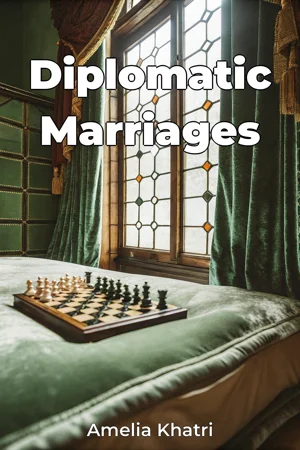
How often has the fate of nations rested on a marriage bed? Diplomatic Marriages examines the intricate and often overlooked role of arranged marriages in shaping political alliances and influencing the course of history. This book delves into the strategic unions forged between royal families, noble houses, and powerful elites, revealing how these personal relationships became potent instruments of statecraft. We will explore the concept of marriage as a political tool, tracing its evolution and analyzing its impact on international relations and domestic policy. The significance of these unions lies in their capacity to solidify treaties, prevent wars, and secure territorial gains, but also in their potential to incite conflict and breed resentment. Within these pages, we will traverse centuries and continents, analyzing case studies from ancient empires to modern nations. We will start by establishing a framework for understanding the core principles of diplomatic marriages: consolidation of power, succession planning, and the management of resources. This initial exploration will equip readers with the necessary tools to critically assess the complexities of alliance-building through matrimony. The book will be structured around key historical periods and geographical regions, including an examination of marriage practices in medieval Europe, Renaissance Italy, and imperial China, each providing unique insights into the political dimensions of marriage. A central theme addressed is how these unions frequently transcended simple political expediency, involving intricate negotiations, cultural exchanges, and personal sacrifices, not only for those directly involved but also for their respective societies. The central argument of Diplomatic Marriages is that these arranged alliances were not merely symbolic gestures but rather critical components of political strategy, capable of both stabilizing and destabilizing power structures. The book challenges traditional narratives of political history by highlighting the agency of women within these arrangements and examining the varied consequences of these unions on gender roles, social hierarchies, and cultural norms. The structure of the book will unfold as follows: First, we will define diplomatic marriage, tracing its origins and establishing a theoretical foundation. Second, we will devote sections to exploring the practical application of diplomatic marriages in distinct historical contexts. We will examine the rise of the Habsburg dynasty through strategic unions, the role of marriage in shaping the English monarchy, and the use of diplomatic marriages in consolidating the French empire. Each case study will illustrate the concrete outcomes and unintended consequences of these alliances. The book will culminate with an analysis of modern-day parallels, examining how marriage still subtly influences international relations through family connections and cultural diplomacy. The evidence presented will draw from a wide array of sources, including royal archives, diplomatic correspondence, genealogical records, and contemporary chronicles. The research leverages quantitative data, such as marriage statistics and alliance networks, as well as qualitative analysis of primary source documents to provide a nuanced understanding of the motivations and effects of diplomatic marriages. Diplomatic Marriages connects to several interdisciplinary fields, including sociology, anthropology, and gender studies. By examining the social and cultural dimensions of marriage, the book sheds light on the power dynamics inherent in these relationships and their lasting impact on society. It also connects to international relations, offering a fresh perspective on the mechanisms of alliance formation and conflict resolution. This book offers a unique perspective by focusing on the lived experiences of individuals caught within the web of political marriage. It seeks to uncover the human stories behind the grand strategies, revealing the emotional, psychological, and personal costs of sacrificing individual autonomy for the sake of state interests. The writing style will be academic yet accessible, aiming to engage both scholars and general readers with an interest in history and politics. The book targets history enthusiasts, political science students, and anyone curious about the intersections of power, love, and family. Understanding how political marriages functioned in the past offers valuable insights into the enduring relevance of personal relationships in shaping global affairs. The scope of this book is limited to exploring the political motivations and consequences of negotiated marriages. While acknowledging the social and cultural factors at play, the primary focus remains on the strategic use of marriage as a tool of diplomacy. The information presented in Diplomatic Marriages can be applied to understanding contemporary international relations, where personal connections and cultural diplomacy continue to play a role in shaping alliances and resolving conflicts. While seemingly a relic of the past, arranged relationships, albeit in different forms, can still impact political decisions today. The book will address the ongoing debate surrounding the effectiveness of diplomatic marriages as a tool of statecraft, acknowledging both its successes and failures. The book also acknowledges the ethical considerations involved in arranging marriages for political gain, sparking debate that continues to be relevant for the modern world.
How often has the fate of nations rested on a marriage bed? Diplomatic Marriages examines the intricate and often overlooked role of arranged marriages in shaping political alliances and influencing the course of history. This book delves into the strategic unions forged between royal families, noble houses, and powerful elites, revealing how these personal relationships became potent instruments of statecraft. We will explore the concept of marriage as a political tool, tracing its evolution and analyzing its impact on international relations and domestic policy. The significance of these unions lies in their capacity to solidify treaties, prevent wars, and secure territorial gains, but also in their potential to incite conflict and breed resentment. Within these pages, we will traverse centuries and continents, analyzing case studies from ancient empires to modern nations. We will start by establishing a framework for understanding the core principles of diplomatic marriages: consolidation of power, succession planning, and the management of resources. This initial exploration will equip readers with the necessary tools to critically assess the complexities of alliance-building through matrimony. The book will be structured around key historical periods and geographical regions, including an examination of marriage practices in medieval Europe, Renaissance Italy, and imperial China, each providing unique insights into the political dimensions of marriage. A central theme addressed is how these unions frequently transcended simple political expediency, involving intricate negotiations, cultural exchanges, and personal sacrifices, not only for those directly involved but also for their respective societies. The central argument of Diplomatic Marriages is that these arranged alliances were not merely symbolic gestures but rather critical components of political strategy, capable of both stabilizing and destabilizing power structures. The book challenges traditional narratives of political history by highlighting the agency of women within these arrangements and examining the varied consequences of these unions on gender roles, social hierarchies, and cultural norms. The structure of the book will unfold as follows: First, we will define diplomatic marriage, tracing its origins and establishing a theoretical foundation. Second, we will devote sections to exploring the practical application of diplomatic marriages in distinct historical contexts. We will examine the rise of the Habsburg dynasty through strategic unions, the role of marriage in shaping the English monarchy, and the use of diplomatic marriages in consolidating the French empire. Each case study will illustrate the concrete outcomes and unintended consequences of these alliances. The book will culminate with an analysis of modern-day parallels, examining how marriage still subtly influences international relations through family connections and cultural diplomacy. The evidence presented will draw from a wide array of sources, including royal archives, diplomatic correspondence, genealogical records, and contemporary chronicles. The research leverages quantitative data, such as marriage statistics and alliance networks, as well as qualitative analysis of primary source documents to provide a nuanced understanding of the motivations and effects of diplomatic marriages. Diplomatic Marriages connects to several interdisciplinary fields, including sociology, anthropology, and gender studies. By examining the social and cultural dimensions of marriage, the book sheds light on the power dynamics inherent in these relationships and their lasting impact on society. It also connects to international relations, offering a fresh perspective on the mechanisms of alliance formation and conflict resolution. This book offers a unique perspective by focusing on the lived experiences of individuals caught within the web of political marriage. It seeks to uncover the human stories behind the grand strategies, revealing the emotional, psychological, and personal costs of sacrificing individual autonomy for the sake of state interests. The writing style will be academic yet accessible, aiming to engage both scholars and general readers with an interest in history and politics. The book targets history enthusiasts, political science students, and anyone curious about the intersections of power, love, and family. Understanding how political marriages functioned in the past offers valuable insights into the enduring relevance of personal relationships in shaping global affairs. The scope of this book is limited to exploring the political motivations and consequences of negotiated marriages. While acknowledging the social and cultural factors at play, the primary focus remains on the strategic use of marriage as a tool of diplomacy. The information presented in Diplomatic Marriages can be applied to understanding contemporary international relations, where personal connections and cultural diplomacy continue to play a role in shaping alliances and resolving conflicts. While seemingly a relic of the past, arranged relationships, albeit in different forms, can still impact political decisions today. The book will address the ongoing debate surrounding the effectiveness of diplomatic marriages as a tool of statecraft, acknowledging both its successes and failures. The book also acknowledges the ethical considerations involved in arranging marriages for political gain, sparking debate that continues to be relevant for the modern world.
"Diplomatic Marriages" explores the use of marriage as a strategic tool in political history, focusing on how royal families and powerful elites forged alliances through arranged unions. These marriages were critical components of statecraft, solidifying treaties, averting wars, and securing territories. The book reveals that these unions often transcended political expediency, involving extensive negotiations, cultural exchanges, and personal sacrifices. The book examines the rise of the Habsburg dynasty through strategic unions, the role of marriage in shaping the English monarchy, and the use of diplomatic marriages in consolidating the French empire. Diplomatic marriages weren't merely symbolic gestures but critical components of political strategy. It investigates the impact on gender roles, social hierarchies, and cultural norms and challenges traditional narratives by highlighting the agency of women. The book progresses by first establishing a theoretical foundation, then exploring practical applications in distinct historical contexts. Drawing from royal archives, diplomatic correspondence, and genealogical records, the analysis culminates in an examination of modern-day parallels, revealing how marriage subtly still influences international relations through family connections and cultural diplomacy.
Book Details
ISBN
9788233964399
Publisher
Publifye AS
Your Licenses
You don't own any licenses for this book
Purchase a license below to unlock this book and download the EPUB.
Purchase License
Select a tier to unlock this book
Need bulk licensing?
Contact us for enterprise agreements.