
About This Book
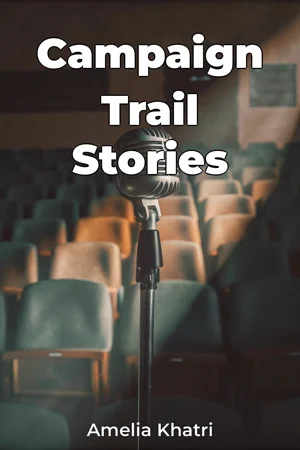
Have you ever wondered what truly goes on behind the carefully crafted image of a political campaign? "Campaign Trail Stories" delves into the captivating, and sometimes unsettling, world of presidential elections, revealing the pivotal moments, unforeseen blunders, and strategic masterstrokes that have shaped the course of history. This book is an exploration of the high-stakes game of American politics, focusing on the dramatic incidents, unexpected twists, and unconventional tactics that define the campaign trail. The key topics examined within these pages are the anatomy of campaign gaffes, the influence of media narratives, and the impact of unforeseen events on election outcomes. Understanding these aspects is crucial because they expose the vulnerabilities inherent in the political process and reveal how seemingly minor episodes can alter the trajectory of a nation. We aim to contextualize these campaign occurrences within broader historical and political science frameworks, assuming a basic understanding of the American electoral system. The central argument of "Campaign Trail Stories" posits that these isolated, often sensationalized, campaign events are not merely aberrations. They are, in fact, revealing microcosms of underlying societal tensions, strategic calculations, and the ever-evolving relationship between candidates and the electorate. This argument challenges the traditional focus on policy platforms and demographic trends, suggesting that the unpredictable nature of campaign dynamics deserves equal, if not greater, attention. The book unfolds by first introducing foundational concepts such as the evolution of campaign strategies, the role of public perception, and the impact of technological advancements on electioneering. Central chapters will then dissect specific case studies, analyzing instances like the "Daisy" ad scandal, the impact of Watergate, and the "Read My Lips" pledge. Each case study will be scrutinized through the lens of political science, media studies, and historical analysis, revealing the complex interplay of factors that shaped their outcomes. The book culminates by exploring the implications of these historical lessons for contemporary campaigns, offering insights into how candidates can navigate the ever-changing political landscape while avoiding potential pitfalls. Practical applications for understanding voter behavior and media influence, useful for students, journalists, and anyone interested in political science, are a focus. The evidence presented will draw upon a variety of sources, including archival campaign records, news reports, academic research, and first-hand accounts from campaign insiders. The inclusion of meticulously sourced primary documents guarantees a robust and factually grounded exploration of the subject matter. "Campaign Trail Stories" bridges connections in political science, media studies, and history, demonstrating how these disciplines intersect to shape our understanding of political campaigns. This interdisciplinary approach provides a more nuanced and comprehensive analysis of the dynamics at play. What sets this book apart is its focus on turning points and critical moments, offering a fresh perspective on well-known events and uncovering forgotten episodes that hold valuable lessons for those seeking to understand the intricacies of political campaigns. The book adopts a narrative non-fiction style, blending rigorous academic research with engaging storytelling to make complex political concepts accessible to a broad audience. The intended readership encompasses students of political science, history enthusiasts, journalists, political consultants, and anyone interested in gaining a deeper understanding of the forces that shape American elections. It will appeal to readers who enjoy historical narratives with strong analytical underpinnings. As a work of political history, the book adheres to standards of accuracy, objectivity, and balanced reporting, while also embracing the inherent drama and human-interest elements of the campaign trail. The scope of the book focuses primarily on United States presidential campaigns from the mid-20th century to the present day, with occasional references to earlier elections for contextual purposes. While international campaigns share interesting parallels, a deep dive into US elections provides the clearest understanding of how unusual events affect national politics. Understanding the dynamics of past campaigns can empower readers to become more informed and engaged citizens, capable of critically evaluating political messaging and recognizing the subtle nuances of candidate strategies. The book addresses the ongoing debate surrounding the role of media bias in shaping election outcomes, exploring specific examples of how media coverage has influenced public perception and campaign trajectories.
Have you ever wondered what truly goes on behind the carefully crafted image of a political campaign? "Campaign Trail Stories" delves into the captivating, and sometimes unsettling, world of presidential elections, revealing the pivotal moments, unforeseen blunders, and strategic masterstrokes that have shaped the course of history. This book is an exploration of the high-stakes game of American politics, focusing on the dramatic incidents, unexpected twists, and unconventional tactics that define the campaign trail. The key topics examined within these pages are the anatomy of campaign gaffes, the influence of media narratives, and the impact of unforeseen events on election outcomes. Understanding these aspects is crucial because they expose the vulnerabilities inherent in the political process and reveal how seemingly minor episodes can alter the trajectory of a nation. We aim to contextualize these campaign occurrences within broader historical and political science frameworks, assuming a basic understanding of the American electoral system. The central argument of "Campaign Trail Stories" posits that these isolated, often sensationalized, campaign events are not merely aberrations. They are, in fact, revealing microcosms of underlying societal tensions, strategic calculations, and the ever-evolving relationship between candidates and the electorate. This argument challenges the traditional focus on policy platforms and demographic trends, suggesting that the unpredictable nature of campaign dynamics deserves equal, if not greater, attention. The book unfolds by first introducing foundational concepts such as the evolution of campaign strategies, the role of public perception, and the impact of technological advancements on electioneering. Central chapters will then dissect specific case studies, analyzing instances like the "Daisy" ad scandal, the impact of Watergate, and the "Read My Lips" pledge. Each case study will be scrutinized through the lens of political science, media studies, and historical analysis, revealing the complex interplay of factors that shaped their outcomes. The book culminates by exploring the implications of these historical lessons for contemporary campaigns, offering insights into how candidates can navigate the ever-changing political landscape while avoiding potential pitfalls. Practical applications for understanding voter behavior and media influence, useful for students, journalists, and anyone interested in political science, are a focus. The evidence presented will draw upon a variety of sources, including archival campaign records, news reports, academic research, and first-hand accounts from campaign insiders. The inclusion of meticulously sourced primary documents guarantees a robust and factually grounded exploration of the subject matter. "Campaign Trail Stories" bridges connections in political science, media studies, and history, demonstrating how these disciplines intersect to shape our understanding of political campaigns. This interdisciplinary approach provides a more nuanced and comprehensive analysis of the dynamics at play. What sets this book apart is its focus on turning points and critical moments, offering a fresh perspective on well-known events and uncovering forgotten episodes that hold valuable lessons for those seeking to understand the intricacies of political campaigns. The book adopts a narrative non-fiction style, blending rigorous academic research with engaging storytelling to make complex political concepts accessible to a broad audience. The intended readership encompasses students of political science, history enthusiasts, journalists, political consultants, and anyone interested in gaining a deeper understanding of the forces that shape American elections. It will appeal to readers who enjoy historical narratives with strong analytical underpinnings. As a work of political history, the book adheres to standards of accuracy, objectivity, and balanced reporting, while also embracing the inherent drama and human-interest elements of the campaign trail. The scope of the book focuses primarily on United States presidential campaigns from the mid-20th century to the present day, with occasional references to earlier elections for contextual purposes. While international campaigns share interesting parallels, a deep dive into US elections provides the clearest understanding of how unusual events affect national politics. Understanding the dynamics of past campaigns can empower readers to become more informed and engaged citizens, capable of critically evaluating political messaging and recognizing the subtle nuances of candidate strategies. The book addresses the ongoing debate surrounding the role of media bias in shaping election outcomes, exploring specific examples of how media coverage has influenced public perception and campaign trajectories.
"Campaign Trail Stories" explores the captivating world of American presidential elections, focusing on the pivotal moments and unexpected blunders that have shaped political history. By examining campaign gaffes, media narratives, and unforeseen events, the book reveals the vulnerabilities within the political process and how seemingly minor episodes can alter a nation's trajectory. It challenges the traditional focus on policy platforms by highlighting the unpredictable nature of campaign dynamics and their significant impact on election outcomes. The book dissects specific case studies through the lens of political science, media studies, and historical analysis. It begins by introducing foundational concepts like the evolution of campaign strategies and the role of public perception. The book progresses by exploring the implications of these historical lessons for contemporary campaigns, offering insights into navigating the ever-changing political landscape. What sets this book apart is its focus on turning points and critical moments, offering a fresh perspective and holding valuable lessons for understanding political campaigns.
Book Details
ISBN
9788233964320
Publisher
Publifye AS
Your Licenses
You don't own any licenses for this book
Purchase a license below to unlock this book and download the EPUB.
Purchase License
Select a tier to unlock this book
Need bulk licensing?
Contact us for enterprise agreements.