
About This Book
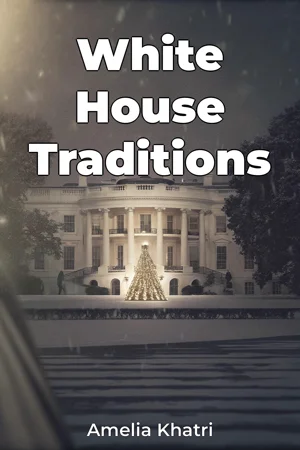
Have you ever wondered about the stories behind the annual Easter Egg Roll or the significance of the White House Christmas tree? "White House Traditions" delves into the fascinating history of the rituals, celebrations, and customs that have shaped the presidency and the American identity. This book explores the evolution of these traditions, their political implications, and their role in connecting the President to the American people. This book focuses on three key areas. First, it examines the historical development of White House traditions, tracing their origins and evolution through different presidencies and eras. Second, it analyzes the political and social significance of these traditions, exploring how they have been used to project power, unite the nation, and respond to national crises. Third, it investigates the human element behind the traditions, highlighting the roles of First Families, White House staff, and the American public in maintaining these customs. Understanding White House traditions requires a grasp of American political history and the evolving role of the presidency. These traditions didn't emerge in a vacuum; they reflect the changing social norms, political landscapes, and international relations that have defined the United States. Readers need not be experts in political science or history, but a basic understanding of American civics will enhance their appreciation of the book's content. The central argument of "White House Traditions" is that these seemingly simple customs are powerful symbols of continuity, leadership, and national identity. They serve as a bridge between the past and the present, connecting each administration to the historical narrative of the American presidency. These traditions provide a framework for understanding how the President interacts with the nation and the world. The book begins by introducing the concept of White House traditions and their importance in shaping American presidential history. It then proceeds to explore the most prominent traditions, such as holiday celebrations (Thanksgiving, Christmas, Easter), ceremonial events (state dinners, inaugural balls), and symbolic gestures (pardoning the turkey, lighting the national Christmas tree). Each tradition is examined through a historical lens, tracing its origins, evolution, and significance. The book culminates by assessing the future of White House traditions in a rapidly changing world, considering how these customs might evolve to remain relevant and meaningful to future generations. The evidence presented in this book draws upon a wide range of sources, including archival documents, presidential papers, memoirs of First Ladies and White House staff, news reports, and scholarly articles. Unique insights are offered through the analysis of previously unpublished photographs and personal accounts, providing a comprehensive and nuanced understanding of these traditions. "White House Traditions" connects to various other fields, including political science (presidential power and symbolism), sociology (cultural rituals and national identity), and history (American political and social history). These interdisciplinary connections enhance the book's argument by providing a broader perspective on the significance of White House traditions. This book offers a unique perspective by examining White House traditions not merely as historical artifacts but as dynamic expressions of presidential leadership and national identity. It avoids romanticizing these traditions and critically evaluates their role in shaping public perception and political discourse. The tone of the book is informative and engaging, presenting complex information in an accessible and reader-friendly manner. The writing style is clear, concise, and avoids jargon, making it suitable for a wide audience. "White House Traditions" is aimed at anyone interested in American history, politics, and presidential studies. This book will appeal to students, educators, history buffs, and anyone curious about the inner workings of the White House and the traditions that define it. As a work of political and historical nonfiction, this book adheres to the genre's expectations of accuracy, objectivity, and thorough research. The book maintains a neutral point of view, presenting multiple perspectives and avoiding partisan bias. The scope of "White House Traditions" is limited to the traditions and customs associated with the White House and the American presidency. It does not delve into the broader history of the American government or the details of specific policy decisions. Understanding White House traditions can provide readers with a deeper appreciation of American political culture and the role of the presidency in shaping national identity. The book's insights can be applied to understanding political symbolism, leadership strategies, and the evolving relationship between the President and the American people. While many view White House traditions as unifying forces, some have faced controversy. For example, the cost and extravagance associated with some traditions can be contentious during economic downturns, and the symbolism inherent in these customs can be interpreted differently depending on political viewpoints. "White House Traditions" addresses these controversies by providing a balanced and nuanced perspective on the debates surrounding these practices.
Have you ever wondered about the stories behind the annual Easter Egg Roll or the significance of the White House Christmas tree? "White House Traditions" delves into the fascinating history of the rituals, celebrations, and customs that have shaped the presidency and the American identity. This book explores the evolution of these traditions, their political implications, and their role in connecting the President to the American people. This book focuses on three key areas. First, it examines the historical development of White House traditions, tracing their origins and evolution through different presidencies and eras. Second, it analyzes the political and social significance of these traditions, exploring how they have been used to project power, unite the nation, and respond to national crises. Third, it investigates the human element behind the traditions, highlighting the roles of First Families, White House staff, and the American public in maintaining these customs. Understanding White House traditions requires a grasp of American political history and the evolving role of the presidency. These traditions didn't emerge in a vacuum; they reflect the changing social norms, political landscapes, and international relations that have defined the United States. Readers need not be experts in political science or history, but a basic understanding of American civics will enhance their appreciation of the book's content. The central argument of "White House Traditions" is that these seemingly simple customs are powerful symbols of continuity, leadership, and national identity. They serve as a bridge between the past and the present, connecting each administration to the historical narrative of the American presidency. These traditions provide a framework for understanding how the President interacts with the nation and the world. The book begins by introducing the concept of White House traditions and their importance in shaping American presidential history. It then proceeds to explore the most prominent traditions, such as holiday celebrations (Thanksgiving, Christmas, Easter), ceremonial events (state dinners, inaugural balls), and symbolic gestures (pardoning the turkey, lighting the national Christmas tree). Each tradition is examined through a historical lens, tracing its origins, evolution, and significance. The book culminates by assessing the future of White House traditions in a rapidly changing world, considering how these customs might evolve to remain relevant and meaningful to future generations. The evidence presented in this book draws upon a wide range of sources, including archival documents, presidential papers, memoirs of First Ladies and White House staff, news reports, and scholarly articles. Unique insights are offered through the analysis of previously unpublished photographs and personal accounts, providing a comprehensive and nuanced understanding of these traditions. "White House Traditions" connects to various other fields, including political science (presidential power and symbolism), sociology (cultural rituals and national identity), and history (American political and social history). These interdisciplinary connections enhance the book's argument by providing a broader perspective on the significance of White House traditions. This book offers a unique perspective by examining White House traditions not merely as historical artifacts but as dynamic expressions of presidential leadership and national identity. It avoids romanticizing these traditions and critically evaluates their role in shaping public perception and political discourse. The tone of the book is informative and engaging, presenting complex information in an accessible and reader-friendly manner. The writing style is clear, concise, and avoids jargon, making it suitable for a wide audience. "White House Traditions" is aimed at anyone interested in American history, politics, and presidential studies. This book will appeal to students, educators, history buffs, and anyone curious about the inner workings of the White House and the traditions that define it. As a work of political and historical nonfiction, this book adheres to the genre's expectations of accuracy, objectivity, and thorough research. The book maintains a neutral point of view, presenting multiple perspectives and avoiding partisan bias. The scope of "White House Traditions" is limited to the traditions and customs associated with the White House and the American presidency. It does not delve into the broader history of the American government or the details of specific policy decisions. Understanding White House traditions can provide readers with a deeper appreciation of American political culture and the role of the presidency in shaping national identity. The book's insights can be applied to understanding political symbolism, leadership strategies, and the evolving relationship between the President and the American people. While many view White House traditions as unifying forces, some have faced controversy. For example, the cost and extravagance associated with some traditions can be contentious during economic downturns, and the symbolism inherent in these customs can be interpreted differently depending on political viewpoints. "White House Traditions" addresses these controversies by providing a balanced and nuanced perspective on the debates surrounding these practices.
"White House Traditions" explores the history and significance of the rituals and customs that have shaped the American presidency. It delves into how events like the Easter Egg Roll and the White House Christmas tree have evolved, reflecting changing social norms and political landscapes. The book argues that these traditions are powerful symbols of continuity, leadership, and national identity, connecting each administration to the historical narrative of the American presidency. The book examines the political implications of these traditions, such as how they have been used to project power and unite the nation. It also highlights the human element, focusing on the roles of First Families and White House staff in maintaining these customs. Beginning with an introduction to White House traditions, the book progresses through prominent examples like holiday celebrations and state dinners, culminating in an assessment of their future relevance.
Book Details
ISBN
9788233964245
Publisher
Publifye AS
Your Licenses
You don't own any licenses for this book
Purchase a license below to unlock this book and download the EPUB.
Purchase License
Select a tier to unlock this book
Need bulk licensing?
Contact us for enterprise agreements.