
About This Book
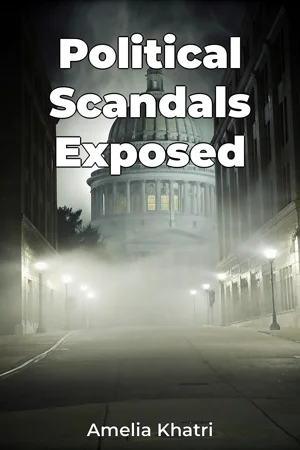
What happens when power corrupts, and secrets unravel? "Political Scandals Exposed" delves into the dark underbelly of governance, examining the most significant political scandals throughout history and their profound impact on governments, elections, and public trust. This book is not just a recounting of events; it's an exploration of the forces that lead to these crises, the mechanisms by which they are revealed, and the enduring consequences they leave behind. We will dissect the anatomy of scandal, focusing on key elements such as the abuse of power, the role of media and whistleblowers, and the legal and ethical frameworks that are tested when these events come to light. Understanding these core components is crucial for comprehending the cyclical nature of political corruption and its potential to destabilize even the most established democracies. Furthermore, we will analyze the impact of these scandals on public opinion, voter behavior, and the overall legitimacy of political institutions. The book provides necessary historical context for each scandal, tracing the evolution of political ethics and accountability across different eras and cultures. Readers will gain a comprehensive understanding of the social and legal environments in which these events occurred, allowing for a more nuanced interpretation of their significance. No prior specialized knowledge is required; the book is written to be accessible to anyone interested in political science, history, or current affairs. The central argument of "Political Scandals Exposed" is that political scandals, while seemingly isolated incidents, are indicative of deeper systemic issues within governments and societies. They serve as critical tests of democratic institutions and can either lead to reform and greater accountability or contribute to further erosion of public trust. Understanding these patterns is vital for informed citizenship and for strengthening the safeguards against corruption. The book’s structure builds from foundational concepts. First, we introduce the framework for understanding political scandals: definitions, typologies, and theoretical models. Then, the book undertakes a chronological exploration of major scandals, from Watergate and Iran-Contra to more recent events like the Panama Papers and Cambridge Analytica, analyzing each case study in detail. Each scandal is examined through the lens of its immediate impact, long-term consequences, and lessons learned. The book culminates in a discussion of potential reforms and strategies for preventing future scandals, emphasizing the importance of transparency, independent oversight, and ethical leadership. The evidence presented is drawn from a wide range of sources, including government reports, legal documents, investigative journalism, academic research, and primary source accounts from key individuals involved. The analysis incorporates quantitative data on election outcomes and public opinion shifts, as well as qualitative assessments of the cultural and political contexts surrounding each scandal. The book connects to several other fields of study, including law, sociology, and media studies. Legal frameworks governing campaign finance and government ethics are examined. Sociological perspectives on power dynamics and social norms are applied. The role of media in shaping public perception and holding power accountable is also critically explored. These interdisciplinary connections enrich the analysis and provide a more complete understanding of the complexities involved. A unique aspect of this book is its comparative analysis of scandals across different political systems and historical periods. By identifying common patterns and divergent outcomes, the book offers new insights into the factors that contribute to both the occurrence and the resolution of political scandals. The tone is factual and analytical, avoiding sensationalism while maintaining an engaging narrative style. The writing is clear and concise, making complex concepts accessible to a broad audience. The target audience includes students of political science and history, journalists, policymakers, and anyone interested in understanding the dynamics of power and corruption. The book offers valuable insights for those seeking to promote transparency and accountability in government. As a work of non-fiction, "Political Scandals Exposed" adheres to the highest standards of accuracy and objectivity. All claims are supported by credible evidence, and differing perspectives are presented fairly. The scope of the book is global, covering scandals from various countries and political systems. However, it does not attempt to be exhaustive; instead, it focuses on a selection of the most significant and representative cases. The information in this book can be applied practically by readers in several ways. It can inform their voting decisions, help them critically evaluate media coverage of political events, and encourage them to advocate for reforms that promote greater transparency and accountability. This book addresses ongoing debates about the appropriate balance between national security and transparency, the role of media in a democratic society, and the effectiveness of different anti-corruption measures. By providing a historical and comparative perspective, the book contributes to a more informed and nuanced understanding of these complex issues.
What happens when power corrupts, and secrets unravel? "Political Scandals Exposed" delves into the dark underbelly of governance, examining the most significant political scandals throughout history and their profound impact on governments, elections, and public trust. This book is not just a recounting of events; it's an exploration of the forces that lead to these crises, the mechanisms by which they are revealed, and the enduring consequences they leave behind. We will dissect the anatomy of scandal, focusing on key elements such as the abuse of power, the role of media and whistleblowers, and the legal and ethical frameworks that are tested when these events come to light. Understanding these core components is crucial for comprehending the cyclical nature of political corruption and its potential to destabilize even the most established democracies. Furthermore, we will analyze the impact of these scandals on public opinion, voter behavior, and the overall legitimacy of political institutions. The book provides necessary historical context for each scandal, tracing the evolution of political ethics and accountability across different eras and cultures. Readers will gain a comprehensive understanding of the social and legal environments in which these events occurred, allowing for a more nuanced interpretation of their significance. No prior specialized knowledge is required; the book is written to be accessible to anyone interested in political science, history, or current affairs. The central argument of "Political Scandals Exposed" is that political scandals, while seemingly isolated incidents, are indicative of deeper systemic issues within governments and societies. They serve as critical tests of democratic institutions and can either lead to reform and greater accountability or contribute to further erosion of public trust. Understanding these patterns is vital for informed citizenship and for strengthening the safeguards against corruption. The book’s structure builds from foundational concepts. First, we introduce the framework for understanding political scandals: definitions, typologies, and theoretical models. Then, the book undertakes a chronological exploration of major scandals, from Watergate and Iran-Contra to more recent events like the Panama Papers and Cambridge Analytica, analyzing each case study in detail. Each scandal is examined through the lens of its immediate impact, long-term consequences, and lessons learned. The book culminates in a discussion of potential reforms and strategies for preventing future scandals, emphasizing the importance of transparency, independent oversight, and ethical leadership. The evidence presented is drawn from a wide range of sources, including government reports, legal documents, investigative journalism, academic research, and primary source accounts from key individuals involved. The analysis incorporates quantitative data on election outcomes and public opinion shifts, as well as qualitative assessments of the cultural and political contexts surrounding each scandal. The book connects to several other fields of study, including law, sociology, and media studies. Legal frameworks governing campaign finance and government ethics are examined. Sociological perspectives on power dynamics and social norms are applied. The role of media in shaping public perception and holding power accountable is also critically explored. These interdisciplinary connections enrich the analysis and provide a more complete understanding of the complexities involved. A unique aspect of this book is its comparative analysis of scandals across different political systems and historical periods. By identifying common patterns and divergent outcomes, the book offers new insights into the factors that contribute to both the occurrence and the resolution of political scandals. The tone is factual and analytical, avoiding sensationalism while maintaining an engaging narrative style. The writing is clear and concise, making complex concepts accessible to a broad audience. The target audience includes students of political science and history, journalists, policymakers, and anyone interested in understanding the dynamics of power and corruption. The book offers valuable insights for those seeking to promote transparency and accountability in government. As a work of non-fiction, "Political Scandals Exposed" adheres to the highest standards of accuracy and objectivity. All claims are supported by credible evidence, and differing perspectives are presented fairly. The scope of the book is global, covering scandals from various countries and political systems. However, it does not attempt to be exhaustive; instead, it focuses on a selection of the most significant and representative cases. The information in this book can be applied practically by readers in several ways. It can inform their voting decisions, help them critically evaluate media coverage of political events, and encourage them to advocate for reforms that promote greater transparency and accountability. This book addresses ongoing debates about the appropriate balance between national security and transparency, the role of media in a democratic society, and the effectiveness of different anti-corruption measures. By providing a historical and comparative perspective, the book contributes to a more informed and nuanced understanding of these complex issues.
"Political Scandals Exposed" examines the pervasive issue of political scandals throughout history, revealing their impact on governments and public trust. It delves into the abuse of power, the role of media and whistleblowers, and the ethical frameworks tested when scandals emerge. One intriguing aspect explored is how these events can destabilize even established democracies, highlighting the cyclical nature of political corruption. The book analyzes the impact of scandals on public opinion and voter behavior, demonstrating how these crises serve as critical tests of democratic institutions. The book progresses chronologically, starting with foundational concepts and then exploring major scandals like Watergate, Iran-Contra, the Panama Papers, and Cambridge Analytica. Each case study is examined for its immediate impact, long-term consequences, and the lessons learned. A unique approach is the comparative analysis of scandals across different political systems, offering new insights into the factors contributing to their occurrence and resolution. The book emphasizes transparency, independent oversight, and ethical leadership as key elements in preventing future scandals, making it valuable for anyone seeking to understand and address political corruption.
Book Details
ISBN
9788233964160
Publisher
Publifye AS
Your Licenses
You don't own any licenses for this book
Purchase a license below to unlock this book and download the EPUB.
Purchase License
Select a tier to unlock this book
Need bulk licensing?
Contact us for enterprise agreements.