
About This Book
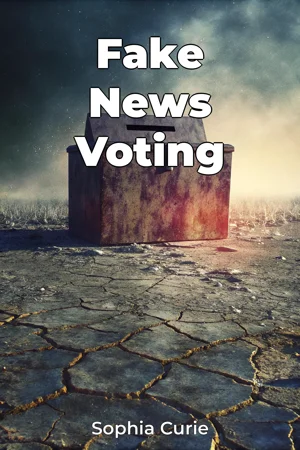
Are our elections truly free and fair when misinformation spreads like wildfire online? This book, "Fake News Voting," delves into the pervasive and damaging influence of misinformation and fake news on democratic processes, voter decision-making, and the fundamental trust that underpins a healthy society. We explore the multifaceted ways in which fabricated narratives erode public discourse and distort the electoral landscape. Understanding this threat is crucial for anyone invested in the future of democracy. This book tackles three core issues: the mechanics of misinformation, the psychological vulnerabilities that make individuals susceptible to it, and the practical consequences for elections and civic engagement. The proliferation of fake news is not merely a technological problem; it's a complex interplay of social, psychological, and political factors. We examine how these forces converge to manipulate public opinion and what is at risk. To fully grasp the current crisis, we will explore the historical evolution of propaganda and its parallels with contemporary misinformation campaigns. We will trace the evolution of media, from traditional outlets to social media platforms, while also examining the algorithms that inadvertently amplify falsehoods. Foundational knowledge of media literacy and cognitive biases will be helpful but not required, as these concepts will be thoroughly explained. Our central argument is that the unchecked spread of misinformation poses a significant threat to democratic legitimacy and requires a multi-pronged approach involving media literacy education, platform accountability, and critical thinking skills. We will demonstrate that unless proactive measures are taken, the erosion of public truth will further polarize society and undermine trust in democratic institutions. "Fake News Voting" is structured to provide a comprehensive understanding of the topic. We begin by defining misinformation, disinformation, and malinformation, establishing a clear conceptual framework. We then examine the sources and distribution channels of fake news, ranging from state-sponsored actors to grassroots disinformation campaigns. This will be followed by analyses of the psychological and social factors that make individuals vulnerable to believing and sharing false information, including confirmation bias, emotional reasoning, and echo chambers. The book then turns to case studies of real-world elections where misinformation played a significant role, analyzing the impact on voter turnout, candidate support, and overall election outcomes. Finally, we propose actionable solutions, including strategies for media literacy education, platform regulation, and individual responsibility in combating the spread of fake news. The book draws upon empirical research from various fields, including political science, communication studies, psychology, and sociology. We analyze survey data, social media analytics, and experimental studies to provide robust evidence for our claims. We will also incorporate original research, including content analysis of fake news articles and interviews with experts in the field. This analysis intersects naturally with areas of study such as sociology (understanding social influence and group dynamics), psychology (exploring cognitive biases and decision-making processes), and computer science (analyzing algorithms and their role in information dissemination). These interdisciplinary connections enrich the book's argument by providing a more holistic understanding of the problem. This book distinguishes itself through its pragmatic approach, focusing on practical solutions and actionable strategies. Rather than simply lamenting the problem of fake news, we offer concrete recommendations for individuals, institutions, and policymakers to combat its spread. The tone of "Fake News Voting" is analytical and informative, grounded in evidence-based research. We aim to present complex information in an accessible and engaging manner, avoiding jargon and technical terms whenever possible. The target audience includes students, educators, journalists, policymakers, and concerned citizens who seek a deeper understanding of the challenges posed by misinformation. This book offers valuable insights for anyone interested in safeguarding democracy and promoting a more informed public discourse. As a work of political science and current events, "Fake News Voting" strives to be timely, relevant, and evidence-based. We adhere to the standards of rigorous scholarship while maintaining a clear and engaging writing style. The scope of this book is intentionally broad, covering the multifaceted aspects of misinformation and its impact on elections. While we cannot cover every instance of fake news in every country, we focus on key examples and overarching trends that illustrate the global nature of the problem. Readers will gain practical knowledge and tools to critically evaluate information, identify misinformation, and engage in more informed civic participation. This book empowers readers to become active agents in combating the spread of fake news. The landscape of misinformation is constantly evolving, and debates continue regarding the role of social media platforms, the effectiveness of various interventions, and the appropriate balance between freedom of speech and the need to protect democratic processes. This book engages with these debates, providing a nuanced and evidence-based perspective.
Are our elections truly free and fair when misinformation spreads like wildfire online? This book, "Fake News Voting," delves into the pervasive and damaging influence of misinformation and fake news on democratic processes, voter decision-making, and the fundamental trust that underpins a healthy society. We explore the multifaceted ways in which fabricated narratives erode public discourse and distort the electoral landscape. Understanding this threat is crucial for anyone invested in the future of democracy. This book tackles three core issues: the mechanics of misinformation, the psychological vulnerabilities that make individuals susceptible to it, and the practical consequences for elections and civic engagement. The proliferation of fake news is not merely a technological problem; it's a complex interplay of social, psychological, and political factors. We examine how these forces converge to manipulate public opinion and what is at risk. To fully grasp the current crisis, we will explore the historical evolution of propaganda and its parallels with contemporary misinformation campaigns. We will trace the evolution of media, from traditional outlets to social media platforms, while also examining the algorithms that inadvertently amplify falsehoods. Foundational knowledge of media literacy and cognitive biases will be helpful but not required, as these concepts will be thoroughly explained. Our central argument is that the unchecked spread of misinformation poses a significant threat to democratic legitimacy and requires a multi-pronged approach involving media literacy education, platform accountability, and critical thinking skills. We will demonstrate that unless proactive measures are taken, the erosion of public truth will further polarize society and undermine trust in democratic institutions. "Fake News Voting" is structured to provide a comprehensive understanding of the topic. We begin by defining misinformation, disinformation, and malinformation, establishing a clear conceptual framework. We then examine the sources and distribution channels of fake news, ranging from state-sponsored actors to grassroots disinformation campaigns. This will be followed by analyses of the psychological and social factors that make individuals vulnerable to believing and sharing false information, including confirmation bias, emotional reasoning, and echo chambers. The book then turns to case studies of real-world elections where misinformation played a significant role, analyzing the impact on voter turnout, candidate support, and overall election outcomes. Finally, we propose actionable solutions, including strategies for media literacy education, platform regulation, and individual responsibility in combating the spread of fake news. The book draws upon empirical research from various fields, including political science, communication studies, psychology, and sociology. We analyze survey data, social media analytics, and experimental studies to provide robust evidence for our claims. We will also incorporate original research, including content analysis of fake news articles and interviews with experts in the field. This analysis intersects naturally with areas of study such as sociology (understanding social influence and group dynamics), psychology (exploring cognitive biases and decision-making processes), and computer science (analyzing algorithms and their role in information dissemination). These interdisciplinary connections enrich the book's argument by providing a more holistic understanding of the problem. This book distinguishes itself through its pragmatic approach, focusing on practical solutions and actionable strategies. Rather than simply lamenting the problem of fake news, we offer concrete recommendations for individuals, institutions, and policymakers to combat its spread. The tone of "Fake News Voting" is analytical and informative, grounded in evidence-based research. We aim to present complex information in an accessible and engaging manner, avoiding jargon and technical terms whenever possible. The target audience includes students, educators, journalists, policymakers, and concerned citizens who seek a deeper understanding of the challenges posed by misinformation. This book offers valuable insights for anyone interested in safeguarding democracy and promoting a more informed public discourse. As a work of political science and current events, "Fake News Voting" strives to be timely, relevant, and evidence-based. We adhere to the standards of rigorous scholarship while maintaining a clear and engaging writing style. The scope of this book is intentionally broad, covering the multifaceted aspects of misinformation and its impact on elections. While we cannot cover every instance of fake news in every country, we focus on key examples and overarching trends that illustrate the global nature of the problem. Readers will gain practical knowledge and tools to critically evaluate information, identify misinformation, and engage in more informed civic participation. This book empowers readers to become active agents in combating the spread of fake news. The landscape of misinformation is constantly evolving, and debates continue regarding the role of social media platforms, the effectiveness of various interventions, and the appropriate balance between freedom of speech and the need to protect democratic processes. This book engages with these debates, providing a nuanced and evidence-based perspective.
"Fake News Voting" explores the escalating threat of misinformation to democratic elections and public trust. It investigates how fabricated narratives distort voter decision-making and erode healthy societal discourse. The book argues that unchecked misinformation significantly undermines democratic legitimacy. The book examines the mechanics of misinformation, psychological vulnerabilities, and real-world consequences through case studies, explaining how cognitive biases and emotional reasoning contribute to the acceptance and spread of fake news. It traces the evolution of propaganda from historical roots to modern social media, highlighting the role of algorithms in amplifying falsehoods. The book emphasizes the need for media literacy education and critical thinking to combat the spread of fake news. Structured to provide a comprehensive understanding, the book defines key concepts, analyzes sources and distribution channels, explores psychological factors, reviews election case studies, and proposes actionable solutions. It draws on empirical research from political science, communication studies, psychology, and sociology to provide a well-rounded and pragmatic approach for individuals, institutions, and policymakers to combat misinformation effectively.
Book Details
ISBN
9788233964047
Publisher
Publifye AS
Your Licenses
You don't own any licenses for this book
Purchase a license below to unlock this book and download the EPUB.
Purchase License
Select a tier to unlock this book
Need bulk licensing?
Contact us for enterprise agreements.