
About This Book
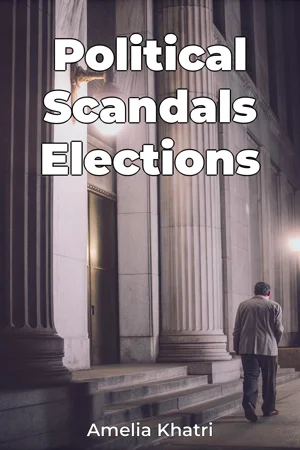
How have pivotal political scandals shaped the electoral landscape and irrevocably altered the trajectory of political history? "Political Scandals Elections" delves into the intricate relationship between political misdeeds, public opinion, and electoral outcomes, examining how these scandals serve as turning points that redefine political norms and expectations. This book will navigate the complex world of political intrigue, exploring the anatomy of scandals, their impact on elections, and their lasting consequences on governance and public trust. This study focuses on three main areas: the anatomy of a political scandal, encompassing the initial act, exposure, media coverage, and public reaction; the immediate electoral impact of these scandals, analyzing how they influence voter behavior and party fortunes; and the long-term consequences for political institutions, legal frameworks, and societal values. These topics are crucial because they expose the vulnerabilities within political systems, highlight the power of public scrutiny, and underscore the enduring need for ethical conduct in public service. The book provides essential historical context, examining scandals from different eras and political systems. It analyzes events such as Watergate, Profumo affair, and more contemporary cases of political misconduct. Prior understanding of basic political science concepts is helpful, but the book is written to be accessible to a broad audience. At its core, this book argues that political scandals are not merely isolated incidents of wrongdoing, but rather symptomatic of deeper systemic issues within political structures. They act as catalysts for reform, forcing societies to confront uncomfortable truths about power, accountability, and the potential for abuse. This argument is significant because it shifts the focus from individual culpability to the broader implications for institutional integrity and democratic governance. The book unfolds in a structured manner, beginning with an introduction that defines key concepts and establishes a theoretical framework for understanding political scandals. The subsequent sections delve into specific case studies, analyzing the causes, consequences, and broader implications of selected scandals. The book culminates with a discussion of potential reforms and strategies for preventing future transgressions, offering practical insights for policymakers, academics, and engaged citizens alike. The analysis relies on a diverse array of sources, including primary documents (such as government reports and legal filings), media coverage, public opinion polls, and academic research. Statistical analysis of electoral data is used to quantify the impact of scandals on voter turnout and party performance. The book connects to fields such as media studies, exploring the role of journalists in uncovering and disseminating information about scandals; law, examining the legal ramifications of political misconduct; and sociology, understanding how societal values and norms influence public perception of these events. These interdisciplinary connections enrich the analysis and provide a more holistic understanding of the complex interplay between politics, society, and ethics. This book offers a unique perspective by examining political scandals through a comparative lens, analyzing cases from different countries and political systems to identify common patterns and divergent outcomes. It moves beyond a superficial examination of individual scandals to explore the deeper systemic factors that contribute to their occurrence and impact. The writing style balances academic rigor with accessibility, aiming to engage a broad audience of informed readers. The book avoids jargon and technical language, presenting complex ideas in a clear and concise manner. "Political Scandals Elections" targets anyone with an interest in politics, history, and current affairs, including students, journalists, policymakers, and engaged citizens. It provides valuable insights for understanding the dynamics of power, accountability, and ethical governance. This book adheres to the conventions of scholarly non-fiction, employing rigorous research methods, clear argumentation, and detailed documentation. While the book offers a comprehensive overview of major political scandals, it focuses on specific case studies to provide in-depth analysis, acknowledging that a complete catalog of all such events would be impossible given the limitations of space and scope. The information presented in this book can be applied in various real-world contexts, such as informing policy debates on campaign finance reform, strengthening ethics regulations for public officials, and promoting greater transparency and accountability in government. The book acknowledges existing debates about the appropriate balance between privacy and public scrutiny in the age of social media, offering nuanced perspectives on the ethical challenges facing politicians and the media.
How have pivotal political scandals shaped the electoral landscape and irrevocably altered the trajectory of political history? "Political Scandals Elections" delves into the intricate relationship between political misdeeds, public opinion, and electoral outcomes, examining how these scandals serve as turning points that redefine political norms and expectations. This book will navigate the complex world of political intrigue, exploring the anatomy of scandals, their impact on elections, and their lasting consequences on governance and public trust. This study focuses on three main areas: the anatomy of a political scandal, encompassing the initial act, exposure, media coverage, and public reaction; the immediate electoral impact of these scandals, analyzing how they influence voter behavior and party fortunes; and the long-term consequences for political institutions, legal frameworks, and societal values. These topics are crucial because they expose the vulnerabilities within political systems, highlight the power of public scrutiny, and underscore the enduring need for ethical conduct in public service. The book provides essential historical context, examining scandals from different eras and political systems. It analyzes events such as Watergate, Profumo affair, and more contemporary cases of political misconduct. Prior understanding of basic political science concepts is helpful, but the book is written to be accessible to a broad audience. At its core, this book argues that political scandals are not merely isolated incidents of wrongdoing, but rather symptomatic of deeper systemic issues within political structures. They act as catalysts for reform, forcing societies to confront uncomfortable truths about power, accountability, and the potential for abuse. This argument is significant because it shifts the focus from individual culpability to the broader implications for institutional integrity and democratic governance. The book unfolds in a structured manner, beginning with an introduction that defines key concepts and establishes a theoretical framework for understanding political scandals. The subsequent sections delve into specific case studies, analyzing the causes, consequences, and broader implications of selected scandals. The book culminates with a discussion of potential reforms and strategies for preventing future transgressions, offering practical insights for policymakers, academics, and engaged citizens alike. The analysis relies on a diverse array of sources, including primary documents (such as government reports and legal filings), media coverage, public opinion polls, and academic research. Statistical analysis of electoral data is used to quantify the impact of scandals on voter turnout and party performance. The book connects to fields such as media studies, exploring the role of journalists in uncovering and disseminating information about scandals; law, examining the legal ramifications of political misconduct; and sociology, understanding how societal values and norms influence public perception of these events. These interdisciplinary connections enrich the analysis and provide a more holistic understanding of the complex interplay between politics, society, and ethics. This book offers a unique perspective by examining political scandals through a comparative lens, analyzing cases from different countries and political systems to identify common patterns and divergent outcomes. It moves beyond a superficial examination of individual scandals to explore the deeper systemic factors that contribute to their occurrence and impact. The writing style balances academic rigor with accessibility, aiming to engage a broad audience of informed readers. The book avoids jargon and technical language, presenting complex ideas in a clear and concise manner. "Political Scandals Elections" targets anyone with an interest in politics, history, and current affairs, including students, journalists, policymakers, and engaged citizens. It provides valuable insights for understanding the dynamics of power, accountability, and ethical governance. This book adheres to the conventions of scholarly non-fiction, employing rigorous research methods, clear argumentation, and detailed documentation. While the book offers a comprehensive overview of major political scandals, it focuses on specific case studies to provide in-depth analysis, acknowledging that a complete catalog of all such events would be impossible given the limitations of space and scope. The information presented in this book can be applied in various real-world contexts, such as informing policy debates on campaign finance reform, strengthening ethics regulations for public officials, and promoting greater transparency and accountability in government. The book acknowledges existing debates about the appropriate balance between privacy and public scrutiny in the age of social media, offering nuanced perspectives on the ethical challenges facing politicians and the media.
"Political Scandals Elections" explores how pivotal political scandals shape elections and alter political history. It examines the anatomy of scandals, their immediate electoral impact, and their long-term consequences on political institutions and public trust. The book argues that scandals are not isolated incidents but symptoms of deeper systemic issues, acting as catalysts for reform and forcing societies to confront uncomfortable truths about power. The book analyzes events like Watergate and the Profumo affair, providing historical context and showing how scandals influence voter behavior and party fortunes. It uses diverse sources, including government reports, media coverage, and statistical analysis of electoral data, to quantify the impact of scandals. An intriguing insight is how these events expose vulnerabilities within political systems and highlight the power of public scrutiny, underscoring the need for ethical conduct. Beginning with key definitions and a theoretical framework, the book unfolds with specific case studies and concludes by discussing potential reforms and strategies for preventing future transgressions. It uniquely examines political scandals through a comparative lens, analyzing cases from different countries to identify common patterns. The writing style balances academic rigor with accessibility, targeting anyone interested in politics, history, and current affairs.
Book Details
ISBN
9788233964030
Publisher
Publifye AS
Your Licenses
You don't own any licenses for this book
Purchase a license below to unlock this book and download the EPUB.
Purchase License
Select a tier to unlock this book
Need bulk licensing?
Contact us for enterprise agreements.