
About This Book
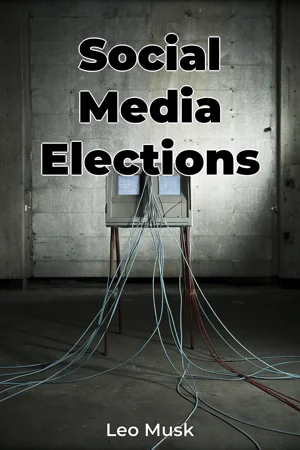
How has the rise of social media reshaped the landscape of political campaigns and electoral outcomes? "Social Media Elections" delves into the profound influence of platforms like Facebook, Twitter, and Instagram on modern politics, exploring how these technologies are used to shape voter opinions and ultimately impact election results. The book examines key topics such as the spread of misinformation, the mobilization of voters through online networks, and the evolving strategies employed by political campaigns in the digital age. The significance of these topics lies in the fact that social media has fundamentally altered the ways citizens engage with political information and participate in democratic processes. Understanding these dynamics is crucial for anyone seeking to navigate the complexities of contemporary politics and make informed decisions as a voter. This book provides a comprehensive analysis of the impact of social media on elections, arguing that these platforms have become powerful tools for both empowering voters and manipulating public opinion. The central thesis is that social media's algorithmic structures and echo chamber effects, coupled with the increasing sophistication of online propaganda, pose significant challenges to the integrity of democratic elections. The book begins by establishing a historical context, tracing the evolution of political communication from traditional media to the digital sphere. It introduces the core concepts, including microtargeting, sentiment analysis, and network analysis, that are essential for understanding the book's arguments. The book then examines voter mobilization, investigating how social media is used to encourage participation and turnout, particularly among younger demographics. It explores the effectiveness of different mobilization strategies and the ethical considerations involved. A substantial portion of the book is dedicated to the study of misinformation and disinformation, analyzing the ways in which false or misleading content spreads online and the impact it has on voter perceptions. The structure follows with an in-depth discussion of political advertising on social media. It explores the different types of ads used, their effectiveness, and regulations surrounding them. The book will culminate with a discussion of potential reforms and solutions. Practical implications for voters, policymakers, and campaign managers will be explored. The arguments presented in "Social Media Elections" are supported by a wide range of evidence, including quantitative data from social media analytics, case studies of specific elections, and qualitative analysis of online content. The book draws on academic research from political science, communication studies, and computer science to provide a multidisciplinary perspective. Unique data sources, such as internal campaign documents and social media advertising archives, are used to provide firsthand insights into the strategies employed by political actors. "Social Media Elections" connects to several other fields of study, including sociology, psychology, and economics. From a sociological perspective, the book examines how social media shapes group identities and social norms in the political arena. From a psychological perspective, the book examines how cognitive biases and emotional appeals influence the way people process political information online. From an economic perspective, the book analyzes the role of money in social media elections, including the costs of online advertising and the investments made by foreign actors seeking to influence election outcomes. This book offers a fresh perspective by integrating theoretical frameworks with practical case studies, providing a nuanced understanding of the complex relationship between social media and elections. The book takes a balanced approach, acknowledging both the potential benefits and dangers of social media in the political realm. Written in a clear and accessible style, "Social Media Elections" is intended for a broad audience, including students, researchers, journalists, policymakers, and anyone interested in understanding the role of social media in shaping political outcomes. The book is structured in a way that makes it easy to follow, with clear chapter headings, concise summaries, and engaging examples. The scope of the book is limited to the study of social media's direct influence on elections, focusing primarily on the United States and other Western democracies. While the book acknowledges the importance of other factors, such as economic conditions and demographic shifts, that influence election outcomes, the primary focus is on the role of social media. The information in "Social Media Elections" can be applied in a variety of practical ways. Voters can use the insights from the book to become more critical consumers of online information and to make more informed decisions at the ballot box. Policymakers can use the book's findings to develop effective regulations to combat misinformation and to promote transparency in online political advertising. Campaign managers can use the book's insights to develop more effective and ethical social media strategies. The book addresses several ongoing debates in the field, including the question of whether social media is ultimately a force for good or evil in democratic politics. While social media can empower citizens and facilitate political participation, it can also be used to spread misinformation and to manipulate voters. "Social Media Elections" seeks to move beyond these simplistic narratives by providing a nuanced and evidence-based analysis of the complex relationship between social media and elections.
How has the rise of social media reshaped the landscape of political campaigns and electoral outcomes? "Social Media Elections" delves into the profound influence of platforms like Facebook, Twitter, and Instagram on modern politics, exploring how these technologies are used to shape voter opinions and ultimately impact election results. The book examines key topics such as the spread of misinformation, the mobilization of voters through online networks, and the evolving strategies employed by political campaigns in the digital age. The significance of these topics lies in the fact that social media has fundamentally altered the ways citizens engage with political information and participate in democratic processes. Understanding these dynamics is crucial for anyone seeking to navigate the complexities of contemporary politics and make informed decisions as a voter. This book provides a comprehensive analysis of the impact of social media on elections, arguing that these platforms have become powerful tools for both empowering voters and manipulating public opinion. The central thesis is that social media's algorithmic structures and echo chamber effects, coupled with the increasing sophistication of online propaganda, pose significant challenges to the integrity of democratic elections. The book begins by establishing a historical context, tracing the evolution of political communication from traditional media to the digital sphere. It introduces the core concepts, including microtargeting, sentiment analysis, and network analysis, that are essential for understanding the book's arguments. The book then examines voter mobilization, investigating how social media is used to encourage participation and turnout, particularly among younger demographics. It explores the effectiveness of different mobilization strategies and the ethical considerations involved. A substantial portion of the book is dedicated to the study of misinformation and disinformation, analyzing the ways in which false or misleading content spreads online and the impact it has on voter perceptions. The structure follows with an in-depth discussion of political advertising on social media. It explores the different types of ads used, their effectiveness, and regulations surrounding them. The book will culminate with a discussion of potential reforms and solutions. Practical implications for voters, policymakers, and campaign managers will be explored. The arguments presented in "Social Media Elections" are supported by a wide range of evidence, including quantitative data from social media analytics, case studies of specific elections, and qualitative analysis of online content. The book draws on academic research from political science, communication studies, and computer science to provide a multidisciplinary perspective. Unique data sources, such as internal campaign documents and social media advertising archives, are used to provide firsthand insights into the strategies employed by political actors. "Social Media Elections" connects to several other fields of study, including sociology, psychology, and economics. From a sociological perspective, the book examines how social media shapes group identities and social norms in the political arena. From a psychological perspective, the book examines how cognitive biases and emotional appeals influence the way people process political information online. From an economic perspective, the book analyzes the role of money in social media elections, including the costs of online advertising and the investments made by foreign actors seeking to influence election outcomes. This book offers a fresh perspective by integrating theoretical frameworks with practical case studies, providing a nuanced understanding of the complex relationship between social media and elections. The book takes a balanced approach, acknowledging both the potential benefits and dangers of social media in the political realm. Written in a clear and accessible style, "Social Media Elections" is intended for a broad audience, including students, researchers, journalists, policymakers, and anyone interested in understanding the role of social media in shaping political outcomes. The book is structured in a way that makes it easy to follow, with clear chapter headings, concise summaries, and engaging examples. The scope of the book is limited to the study of social media's direct influence on elections, focusing primarily on the United States and other Western democracies. While the book acknowledges the importance of other factors, such as economic conditions and demographic shifts, that influence election outcomes, the primary focus is on the role of social media. The information in "Social Media Elections" can be applied in a variety of practical ways. Voters can use the insights from the book to become more critical consumers of online information and to make more informed decisions at the ballot box. Policymakers can use the book's findings to develop effective regulations to combat misinformation and to promote transparency in online political advertising. Campaign managers can use the book's insights to develop more effective and ethical social media strategies. The book addresses several ongoing debates in the field, including the question of whether social media is ultimately a force for good or evil in democratic politics. While social media can empower citizens and facilitate political participation, it can also be used to spread misinformation and to manipulate voters. "Social Media Elections" seeks to move beyond these simplistic narratives by providing a nuanced and evidence-based analysis of the complex relationship between social media and elections.
"Social Media Elections" examines how platforms like Facebook, Twitter, and Instagram influence modern politics, impacting voter opinions and election results. The book explores the spread of misinformation, voter mobilization through online networks, and evolving campaign strategies in the digital age. It argues that social media's algorithms and echo chambers, combined with sophisticated online propaganda, pose significant challenges to democratic elections. A key insight is how microtargeting is used to tailor political messages to specific voter demographics, potentially swaying opinions. The book uniquely integrates theoretical frameworks with practical case studies, offering a nuanced understanding of the complex relationship between social media and elections. The book starts by tracing the history of political communication from traditional media to the digital sphere, introducing core concepts like sentiment analysis. It then investigates voter mobilization, misinformation, and political advertising on social media, supported by data from social media analytics, case studies, and qualitative analysis of online content. It provides a balanced approach, acknowledging both the benefits and dangers of social media in politics. The book culminates with a discussion of reforms and solutions, offering practical implications for voters, policymakers, and campaign managers.
Book Details
ISBN
9788233963934
Publisher
Publifye AS
Your Licenses
You don't own any licenses for this book
Purchase a license below to unlock this book and download the EPUB.
Purchase License
Select a tier to unlock this book
Need bulk licensing?
Contact us for enterprise agreements.