
About This Book
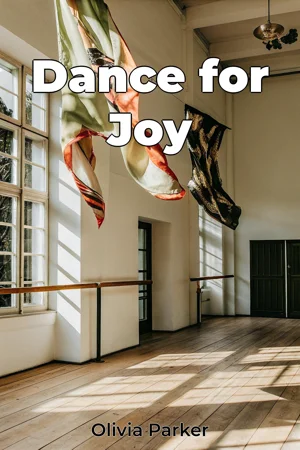
Do you crave a simple way to boost your well-being? "Dance for Joy" explores potent benefits derived from short bursts of dance, revealing its capacity to enhance physical health, elevate mood, and foster meaningful social connections. This book delves into the science and practice of incorporating dance into daily life for holistic wellness. The core of "Dance for Joy" rests on three key pillars: the physiological impact of dance on physical health, its psychological effect on emotional well-being, and its sociological role in building social capital. Understanding these interconnected aspects is vital because they highlight dance not just as a form of exercise, but as comprehensive tool for improving life. Historically, dance has been integral to human culture; modern research now validates these traditions, proving dance's impact on physical and mental states. No specialized dance knowledge is needed to grasp the concepts presented; a general interest in well-being and self-improvement is sufficient. The book’s central argument posits that even brief, regular dance sessions can yield substantive improvements in overall health and happiness. This assertion challenges the notion that exercise must be arduous or time-consuming to be effective, offering an accessible alternative for individuals with diverse lifestyles and physical abilities. "Dance for Joy" begins by introducing core concepts related to the mind-body connection, offering an overview of dance as a form of exercise. Subsequent chapters elaborate on critical areas: first, the ways in which dancing improves cardiovascular health, muscular strength, and flexibility; second, the positive influence of dance on mood regulation through the release of endorphins and stress reduction; and third, the creation of stronger social bonds and community engagement through group dancing. The book culminates in practical guidance, providing readers with tools and strategies to integrate dance into their daily routines. Evidence and research supporting the arguments include studies from exercise physiology, psychology, and sociology, examining the effects of dance on physical health metrics, emotional states, and social dynamics. The book references research using diverse methodologies, from controlled clinical trials to qualitative analyses of dancers' experiences. "Dance for Joy" connects to several interdisciplinary fields. It draws from psychology to explain the neurological and emotional benefits of dance, health fitness to detail the physical improvements, and health & fitness to understand lifestyle integration. These connections provide a more complete understanding of dance as a multi-faceted practice. The book adopts a practical approach, enabling readers to implement dance routines without professional instruction or specialized equipment. This sets it apart from texts that focus solely on performance. The tone is conversational and encouraging, designed to motivate readers to embrace dance. Information is presented in an accessible, non-technical manner. The target audience includes anyone interested in enhancing their physical and mental well-being through simple, enjoyable activities. This includes individuals seeking alternative exercise options, those managing stress or anxiety, and people looking to improve their social connections. As a work of non-fiction, "Dance for Joy" provides evidence-based information, practical advice, and clear explanations. While the book provides a thorough overview of the benefits of dance, it primarily focuses on recreational, non-competitive dance forms. It does not delve into the professional dance world. The practical applications are clear: readers can use the information to develop personalized dance routines, join existing dance groups, or simply incorporate more movement into their day. The book acknowledges prevalent debates about the efficacy of different exercise modalities and positions dance as a viable and enjoyable alternative.
Do you crave a simple way to boost your well-being? "Dance for Joy" explores potent benefits derived from short bursts of dance, revealing its capacity to enhance physical health, elevate mood, and foster meaningful social connections. This book delves into the science and practice of incorporating dance into daily life for holistic wellness. The core of "Dance for Joy" rests on three key pillars: the physiological impact of dance on physical health, its psychological effect on emotional well-being, and its sociological role in building social capital. Understanding these interconnected aspects is vital because they highlight dance not just as a form of exercise, but as comprehensive tool for improving life. Historically, dance has been integral to human culture; modern research now validates these traditions, proving dance's impact on physical and mental states. No specialized dance knowledge is needed to grasp the concepts presented; a general interest in well-being and self-improvement is sufficient. The book’s central argument posits that even brief, regular dance sessions can yield substantive improvements in overall health and happiness. This assertion challenges the notion that exercise must be arduous or time-consuming to be effective, offering an accessible alternative for individuals with diverse lifestyles and physical abilities. "Dance for Joy" begins by introducing core concepts related to the mind-body connection, offering an overview of dance as a form of exercise. Subsequent chapters elaborate on critical areas: first, the ways in which dancing improves cardiovascular health, muscular strength, and flexibility; second, the positive influence of dance on mood regulation through the release of endorphins and stress reduction; and third, the creation of stronger social bonds and community engagement through group dancing. The book culminates in practical guidance, providing readers with tools and strategies to integrate dance into their daily routines. Evidence and research supporting the arguments include studies from exercise physiology, psychology, and sociology, examining the effects of dance on physical health metrics, emotional states, and social dynamics. The book references research using diverse methodologies, from controlled clinical trials to qualitative analyses of dancers' experiences. "Dance for Joy" connects to several interdisciplinary fields. It draws from psychology to explain the neurological and emotional benefits of dance, health fitness to detail the physical improvements, and health & fitness to understand lifestyle integration. These connections provide a more complete understanding of dance as a multi-faceted practice. The book adopts a practical approach, enabling readers to implement dance routines without professional instruction or specialized equipment. This sets it apart from texts that focus solely on performance. The tone is conversational and encouraging, designed to motivate readers to embrace dance. Information is presented in an accessible, non-technical manner. The target audience includes anyone interested in enhancing their physical and mental well-being through simple, enjoyable activities. This includes individuals seeking alternative exercise options, those managing stress or anxiety, and people looking to improve their social connections. As a work of non-fiction, "Dance for Joy" provides evidence-based information, practical advice, and clear explanations. While the book provides a thorough overview of the benefits of dance, it primarily focuses on recreational, non-competitive dance forms. It does not delve into the professional dance world. The practical applications are clear: readers can use the information to develop personalized dance routines, join existing dance groups, or simply incorporate more movement into their day. The book acknowledges prevalent debates about the efficacy of different exercise modalities and positions dance as a viable and enjoyable alternative.
"Dance for Joy" unveils the profound benefits of dance as a holistic approach to enhancing well-being. It explores how even short bursts of dance can significantly improve physical health, elevate mood, and foster social connections. The book emphasizes that dance isn't merely exercise; it's a comprehensive tool for stress reduction and overall happiness. Intriguingly, modern research validates historical traditions, proving dance's positive impact on both physical and mental states, and dance boosts mood regulation through the release of endorphins. This book distinguishes itself by offering a practical, accessible guide to integrating dance into daily life without requiring specialized skills or equipment. "Dance for Joy" begins by establishing the mind-body connection, progressing through chapters that detail dance's impact on cardiovascular health, mood regulation, and social bonds. It concludes with actionable strategies for readers to personalize their own dance routines, making it a unique and valuable resource for anyone seeking a joyful path to improved health fitness and emotional well-being.
Book Details
ISBN
9788233963484
Publisher
Publifye AS
Your Licenses
You don't own any licenses for this book
Purchase a license below to unlock this book and download the EPUB.
Purchase License
Select a tier to unlock this book
Need bulk licensing?
Contact us for enterprise agreements.