
About This Book
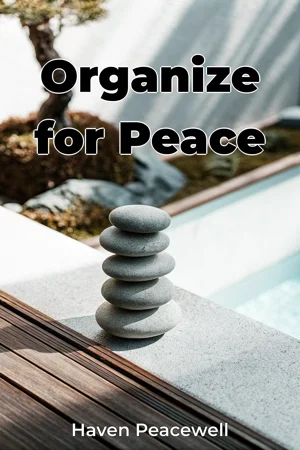
Are you tired of feeling overwhelmed by clutter, its constant presence a nagging reminder of unfinished tasks and a source of daily stress? "Organize for Peace" offers a practical, actionable roadmap to reclaiming your space and, more importantly, your peace of mind through simple, consistent organizing habits. This book addresses two key areas: the psychological impact of clutter and the implementation of efficient organizing techniques. These topics are vital because they highlight the direct correlation between a tidy environment and reduced stress levels, enabling readers to break free from the cycle of clutter and anxiety. The burden of disorganization is not a new phenomenon, but its impact is increasingly relevant in our fast-paced, consumer-driven society. The constant influx of possessions, coupled with demanding schedules, often leads to overwhelmed and disorganized living spaces. "Organize for Peace" argues that brief, targeted organizing tasks, when performed consistently, are significantly more effective than infrequent, overwhelming decluttering sessions. This approach focuses on integrating organization into daily routines, transforming it from a stressful chore into a manageable habit. This book's central argument is that small, consistent efforts to organize and declutter are the key to creating a clutter-free environment and reducing stress. This contrasts with the common approach of large-scale, infrequent cleaning which can be daunting and unsustainable. The argument is crucial because it offers a more accessible and practical solution for individuals struggling with chronic disorganization. "Organize for Peace" begins by exploring the psychological roots of clutter, examining how our possessions can become emotional burdens and sources of stress. The book then delves into the principles of efficient organization, emphasizing the importance of setting realistic goals and creating personalized systems. The core of the book is structured around several key strategies. First, it details the "Five-Minute Fixes," small organizing tasks that can be easily incorporated into any daily routine. Second, it explores different organizing methods, providing a range of options to suit various lifestyles and personalities. Third, it teaches how to create a sustainable decluttering process, helping the reader to remove unwanted items without feeling overwhelmed or guilty. The book culminates by illustrating how these organizing principles can be integrated into all areas of life, from the home to the workplace, resulting in long-term stress reduction and peace of mind. The suggestions and ideas presented are supported by case studies and research from environmental psychology, consumer behavior, and time management. The evidence demonstrates the link between organized spaces and mental well-being. This book directly connects to related fields such as psychology, where the impact of environment on stress and cognitive function is explored. It also draws from principles of behavioral economics to offer strategies for overcoming procrastination and building better habits. The principles of design also play a role in showing how spaces can be modified for better organization. "Organize for Peace" offers a practical, accessible guide designed for individuals overwhelmed by clutter and seeking simple, effective solutions. The tone is conversational and encouraging, avoiding jargon and providing step-by-step instructions. The target audience includes busy professionals, parents, and anyone struggling to maintain an organized living space. Readers looking for stress management techniques will find this book a valuable resource. As a self-help book for stress management, "Organize for Peace" focuses specifically on the link between organizing and mental well-being. While the book provides guidance on different methods, it does not delve into the complexities of professional organizing or interior design. The practical applications of the information provided are numerous. Readers will learn how to declutter their homes, manage their time more effectively, and reduce their overall stress levels. These skills can be applied to various aspects of life, from managing finances to improving relationships. While there is general agreement on the benefits of organization, debates exist around specific methods and how to apply them across different cultural contexts. "Organize for Peace" addresses these debates by presenting various options and encouraging readers to adapt the strategies to their own unique circumstances.
Are you tired of feeling overwhelmed by clutter, its constant presence a nagging reminder of unfinished tasks and a source of daily stress? "Organize for Peace" offers a practical, actionable roadmap to reclaiming your space and, more importantly, your peace of mind through simple, consistent organizing habits. This book addresses two key areas: the psychological impact of clutter and the implementation of efficient organizing techniques. These topics are vital because they highlight the direct correlation between a tidy environment and reduced stress levels, enabling readers to break free from the cycle of clutter and anxiety. The burden of disorganization is not a new phenomenon, but its impact is increasingly relevant in our fast-paced, consumer-driven society. The constant influx of possessions, coupled with demanding schedules, often leads to overwhelmed and disorganized living spaces. "Organize for Peace" argues that brief, targeted organizing tasks, when performed consistently, are significantly more effective than infrequent, overwhelming decluttering sessions. This approach focuses on integrating organization into daily routines, transforming it from a stressful chore into a manageable habit. This book's central argument is that small, consistent efforts to organize and declutter are the key to creating a clutter-free environment and reducing stress. This contrasts with the common approach of large-scale, infrequent cleaning which can be daunting and unsustainable. The argument is crucial because it offers a more accessible and practical solution for individuals struggling with chronic disorganization. "Organize for Peace" begins by exploring the psychological roots of clutter, examining how our possessions can become emotional burdens and sources of stress. The book then delves into the principles of efficient organization, emphasizing the importance of setting realistic goals and creating personalized systems. The core of the book is structured around several key strategies. First, it details the "Five-Minute Fixes," small organizing tasks that can be easily incorporated into any daily routine. Second, it explores different organizing methods, providing a range of options to suit various lifestyles and personalities. Third, it teaches how to create a sustainable decluttering process, helping the reader to remove unwanted items without feeling overwhelmed or guilty. The book culminates by illustrating how these organizing principles can be integrated into all areas of life, from the home to the workplace, resulting in long-term stress reduction and peace of mind. The suggestions and ideas presented are supported by case studies and research from environmental psychology, consumer behavior, and time management. The evidence demonstrates the link between organized spaces and mental well-being. This book directly connects to related fields such as psychology, where the impact of environment on stress and cognitive function is explored. It also draws from principles of behavioral economics to offer strategies for overcoming procrastination and building better habits. The principles of design also play a role in showing how spaces can be modified for better organization. "Organize for Peace" offers a practical, accessible guide designed for individuals overwhelmed by clutter and seeking simple, effective solutions. The tone is conversational and encouraging, avoiding jargon and providing step-by-step instructions. The target audience includes busy professionals, parents, and anyone struggling to maintain an organized living space. Readers looking for stress management techniques will find this book a valuable resource. As a self-help book for stress management, "Organize for Peace" focuses specifically on the link between organizing and mental well-being. While the book provides guidance on different methods, it does not delve into the complexities of professional organizing or interior design. The practical applications of the information provided are numerous. Readers will learn how to declutter their homes, manage their time more effectively, and reduce their overall stress levels. These skills can be applied to various aspects of life, from managing finances to improving relationships. While there is general agreement on the benefits of organization, debates exist around specific methods and how to apply them across different cultural contexts. "Organize for Peace" addresses these debates by presenting various options and encouraging readers to adapt the strategies to their own unique circumstances.
"Organize for Peace" tackles the pervasive issue of clutter and its impact on our mental well-being, offering a practical guide to stress management through efficient organization. The book emphasizes that consistent, small actions are more effective than infrequent, overwhelming decluttering sessions. Intriguingly, it explores how our possessions can become emotional burdens, contributing to daily stress and anxiety. This self-help approach provides actionable strategies to reclaim your space and cultivate peace of mind. The book progresses from examining the psychological roots of clutter to implementing efficient organizing techniques. It introduces "Five-Minute Fixes" for incorporating organizing into daily routines and provides various organizing methods to suit different lifestyles. Readers will learn how to create sustainable decluttering processes, manage their time effectively, and integrate these principles into all areas of life for long-term stress reduction. By focusing on habit building and efficient organization, "Organize for Peace" offers a unique path to organized living and mental well-being.
Book Details
ISBN
9788233963477
Publisher
Publifye AS
Your Licenses
You don't own any licenses for this book
Purchase a license below to unlock this book and download the EPUB.
Purchase License
Select a tier to unlock this book
Need bulk licensing?
Contact us for enterprise agreements.