
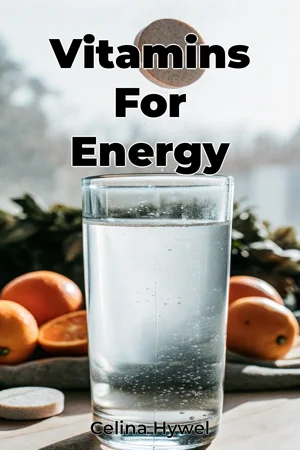
About This Book
Are you running on empty, struggling to maintain energy levels throughout the day? This book, "Vitamins For Energy," delves into the crucial role specific vitamins play in optimizing energy production, boosting metabolism, and combating fatigue. We will explore topics of fundamental importance to anyone seeking to improve their vitality. First, we will detail the specific vitamins essential for energy production within the body's cells. Second, we will examine how these vitamins influence metabolic processes, which in turn affect energy levels. Finally, we will investigate the mechanisms by which these vitamins can alleviate fatigue and enhance overall well-being. These topics are important because understanding the interplay between vitamins and energy allows for a targeted approach to addressing energy deficiencies and improving overall health. The information presented builds upon decades of research in biochemistry, nutrition science, and clinical studies. While a basic understanding of human biology is helpful, we provide clear explanations of complex scientific concepts, ensuring accessibility for a broad range of readers. Our core argument is that targeted vitamin supplementation, based on individual needs and a thorough understanding of vitamin functions, can significantly improve energy levels, support metabolic efficiency, and reduce fatigue. This argument is important because it provides a actionable framework for individuals to take control of their energy levels through informed dietary and supplementation choices The book is structured to provide a comprehensive understanding of the topic. Initially, we introduce the concept of energy production at the cellular level, highlighting the key metabolic pathways involved. The book then dedicates individual chapters to the B vitamins (B1, B2, B3, B5, B6, B7, B9, and B12), vitamin C, and vitamin D, detailing their specific roles in energy metabolism and fatigue reduction. Each chapter includes information on food sources, recommended daily allowances, deficiency symptoms, and potential benefits of supplementation. We then culminate our argument by synthesizing the information and providing guidance on creating a personalized vitamin regimen to optimize energy levels and combat fatigue. Finally, we explore practical applications, including dietary strategies and lifestyle modifications, to support vitamin function and enhance energy production. The evidence presented is based on a review of peer-reviewed scientific literature, clinical trials, and meta-analyses. We draw upon data from reputable sources such as the National Institutes of Health (NIH) and the World Health Organization (WHO). The methodologies used include analyzing biochemical pathways, evaluating the efficacy of vitamin supplementation in clinical studies, and assessing the impact of dietary changes on energy levels. This book connects to several other fields, including nutrition, biochemistry, and exercise physiology. For example, understanding the biochemical pathways of energy metabolism is essential for comprehending how vitamins function. Examining the interaction between vitamins and physical activity allows for a more comprehensive approach to optimizing energy levels for athletes and active individuals. Exploring nutritional strategies, such as meal timing and macronutrient ratios, can further enhance the effectiveness of vitamin supplementation. Our approach stands out by focusing on a practical, evidence-based approach to understanding and applying the benefits of vitamins for energy. We move beyond general recommendations and provide specific guidance based on individual needs and scientific evidence. The tone of the book is informative, accessible, and practical. We aim to present complex scientific information in a clear and engaging manner, avoiding jargon and providing real-world examples. The target audience is health-conscious individuals, athletes, and anyone seeking to improve their energy levels and reduce fatigue through informed dietary and supplementation choices. This book would be valuable to them because it provides a comprehensive, evidence-based guide to understanding and utilizing vitamins for energy. As a non-fiction work in the health and fitness genre, this book relies on scientific accuracy, clear explanations, and practical recommendations. We address common misconceptions about vitamins and provide evidence-based solutions. The scope of this book is limited to the vitamins that have the most significant impact on energy production, metabolism, and fatigue reduction. While other vitamins are important for overall health, we focus on those with the most direct relevance to energy. The information in this book can be applied practically by readers to improve their energy levels, enhance their athletic performance, and reduce fatigue. By understanding the role of specific vitamins, readers can make informed dietary and supplementation choices to optimize their energy production and overall well-being. There are ongoing debates in the field of vitamin research regarding optimal dosages, the effectiveness of supplementation, and the potential for toxicity. We address these controversies by presenting the available evidence and providing balanced perspectives.
Are you running on empty, struggling to maintain energy levels throughout the day? This book, "Vitamins For Energy," delves into the crucial role specific vitamins play in optimizing energy production, boosting metabolism, and combating fatigue. We will explore topics of fundamental importance to anyone seeking to improve their vitality. First, we will detail the specific vitamins essential for energy production within the body's cells. Second, we will examine how these vitamins influence metabolic processes, which in turn affect energy levels. Finally, we will investigate the mechanisms by which these vitamins can alleviate fatigue and enhance overall well-being. These topics are important because understanding the interplay between vitamins and energy allows for a targeted approach to addressing energy deficiencies and improving overall health. The information presented builds upon decades of research in biochemistry, nutrition science, and clinical studies. While a basic understanding of human biology is helpful, we provide clear explanations of complex scientific concepts, ensuring accessibility for a broad range of readers. Our core argument is that targeted vitamin supplementation, based on individual needs and a thorough understanding of vitamin functions, can significantly improve energy levels, support metabolic efficiency, and reduce fatigue. This argument is important because it provides a actionable framework for individuals to take control of their energy levels through informed dietary and supplementation choices The book is structured to provide a comprehensive understanding of the topic. Initially, we introduce the concept of energy production at the cellular level, highlighting the key metabolic pathways involved. The book then dedicates individual chapters to the B vitamins (B1, B2, B3, B5, B6, B7, B9, and B12), vitamin C, and vitamin D, detailing their specific roles in energy metabolism and fatigue reduction. Each chapter includes information on food sources, recommended daily allowances, deficiency symptoms, and potential benefits of supplementation. We then culminate our argument by synthesizing the information and providing guidance on creating a personalized vitamin regimen to optimize energy levels and combat fatigue. Finally, we explore practical applications, including dietary strategies and lifestyle modifications, to support vitamin function and enhance energy production. The evidence presented is based on a review of peer-reviewed scientific literature, clinical trials, and meta-analyses. We draw upon data from reputable sources such as the National Institutes of Health (NIH) and the World Health Organization (WHO). The methodologies used include analyzing biochemical pathways, evaluating the efficacy of vitamin supplementation in clinical studies, and assessing the impact of dietary changes on energy levels. This book connects to several other fields, including nutrition, biochemistry, and exercise physiology. For example, understanding the biochemical pathways of energy metabolism is essential for comprehending how vitamins function. Examining the interaction between vitamins and physical activity allows for a more comprehensive approach to optimizing energy levels for athletes and active individuals. Exploring nutritional strategies, such as meal timing and macronutrient ratios, can further enhance the effectiveness of vitamin supplementation. Our approach stands out by focusing on a practical, evidence-based approach to understanding and applying the benefits of vitamins for energy. We move beyond general recommendations and provide specific guidance based on individual needs and scientific evidence. The tone of the book is informative, accessible, and practical. We aim to present complex scientific information in a clear and engaging manner, avoiding jargon and providing real-world examples. The target audience is health-conscious individuals, athletes, and anyone seeking to improve their energy levels and reduce fatigue through informed dietary and supplementation choices. This book would be valuable to them because it provides a comprehensive, evidence-based guide to understanding and utilizing vitamins for energy. As a non-fiction work in the health and fitness genre, this book relies on scientific accuracy, clear explanations, and practical recommendations. We address common misconceptions about vitamins and provide evidence-based solutions. The scope of this book is limited to the vitamins that have the most significant impact on energy production, metabolism, and fatigue reduction. While other vitamins are important for overall health, we focus on those with the most direct relevance to energy. The information in this book can be applied practically by readers to improve their energy levels, enhance their athletic performance, and reduce fatigue. By understanding the role of specific vitamins, readers can make informed dietary and supplementation choices to optimize their energy production and overall well-being. There are ongoing debates in the field of vitamin research regarding optimal dosages, the effectiveness of supplementation, and the potential for toxicity. We address these controversies by presenting the available evidence and providing balanced perspectives.
"Vitamins For Energy" explores the vital role of specific vitamins in boosting metabolism, optimizing energy production, and combating fatigue. It delves into how vitamins influence metabolic processes, directly affecting energy levels, shedding light on the intricate connection between vitamin supplementation and enhanced vitality. Did you know that B vitamins are essential for converting food into energy, and deficiencies can lead to fatigue? The book emphasizes that understanding these vitamins' functions allows for targeted strategies to address energy deficiencies. The book introduces energy production at the cellular level, dedicating chapters to B vitamins, vitamin C, and vitamin D, detailing their roles in energy metabolism and fatigue reduction. It progresses by synthesizing information and providing guidance on creating a personalized vitamin regimen. What sets this book apart is its practical, evidence-based approach, moving beyond general recommendations to offer specific guidance based on individual needs and scientific research.
Book Details
ISBN
9788233963217
Publisher
Publifye AS
Your Licenses
You don't own any licenses for this book
Purchase a license below to unlock this book and download the EPUB.
Purchase License
Select a tier to unlock this book
Need bulk licensing?
Contact us for enterprise agreements.