
About This Book
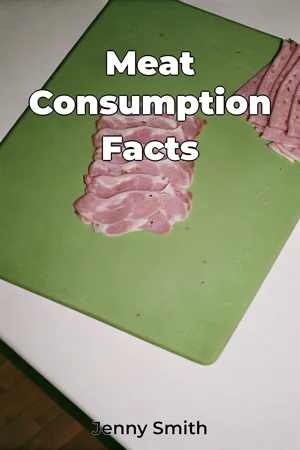
Is your meat consumption habit fueling or harming your well-being? This book, *Meat Consumption Facts*, delves into the complex relationship between red and processed meat intake and its profound effects on heart health, longevity, and overall physical condition. These are critical areas of concern, given the prevalence of heart disease, the increasing desire for extended lifespans, and a growing awareness of the impact diet has on daily living. This exploration is vital, as societal views on meat consumption are often steeped in tradition and cultural norms, potentially overshadowing scientific evidence. We will navigate the historical context of meat consumption, from its roots in early human diets to its place in modern food systems, while acknowledging how socioeconomic factors influence dietary choices. Readers will not require prior in-depth knowledge of nutrition to understand the material presented. The central argument posits that while meat can contribute certain nutrients to the diet, excessive consumption of red and, particularly, processed meats is demonstrably linked to increased risk of cardiovascular diseases, certain cancers, and reduced life expectancy. We will demonstrate that a more balanced dietary approach, considering both the benefits and risks of meat consumption, is paramount for optimizing health outcomes. The book unfolds systematically. First, we introduce the basics of meat composition, distinguishing between different types (red, processed, poultry, fish) and their respective nutritional profiles. Then, we dedicate chapters to the specific effects on heart health (cholesterol levels, blood pressure), longevity (cellular aging, disease prevention), and overall well-being (inflammation, gut health). The analysis culminates in a synthesized argument offering evidence-based guidelines for informed dietary decision-making. Finally, we explore practical implications, offering actionable strategies for reducing risk through modifications to recipes and eating habits. The evidence presented is drawn from a comprehensive review of epidemiological studies, clinical trials, and meta-analyses published in reputable peer-reviewed journals. We will explore data from large-scale cohort studies tracking dietary habits and health outcomes over decades, as well as controlled experiments examining the physiological effects of specific meat components. The book also connects to broader fields of study, including epidemiology to establish correlations between meat intake and disease prevalence, nutritional science to understand the metabolic effects of meat consumption, and public health to address the societal implications of dietary recommendations. These interdisciplinary connections enrich the understanding of how individual dietary choices influence population-level health. What sets this book apart is its objective, data-driven analysis. We avoid sensationalistic claims, instead focusing on presenting the scientific evidence in a clear, unbiased manner, allowing readers to draw their own informed conclusions. The tone is factual and informative, aiming to equip readers with the knowledge necessary to make informed choices about their diet. The target audience includes health-conscious individuals, healthcare professionals, nutritionists, and anyone seeking a deeper understanding of the impact of dietary choices on long-term health. This non-fiction work follows scientific genre conventions, emphasizing evidence-based reasoning and rigorous analysis. The book’s scope is deliberately focused on the health effects of red and processed meat, acknowledging that other factors, such as genetics, lifestyle, and overall dietary patterns, also significantly influence health outcomes. The information can be applied practically by readers to evaluate their own meat consumption habits, critically assess dietary recommendations, and make informed choices to optimize their health. Finally, we will address existing controversies surrounding optimal meat consumption levels, acknowledging differing viewpoints and highlighting areas where further research is warranted.
Is your meat consumption habit fueling or harming your well-being? This book, *Meat Consumption Facts*, delves into the complex relationship between red and processed meat intake and its profound effects on heart health, longevity, and overall physical condition. These are critical areas of concern, given the prevalence of heart disease, the increasing desire for extended lifespans, and a growing awareness of the impact diet has on daily living. This exploration is vital, as societal views on meat consumption are often steeped in tradition and cultural norms, potentially overshadowing scientific evidence. We will navigate the historical context of meat consumption, from its roots in early human diets to its place in modern food systems, while acknowledging how socioeconomic factors influence dietary choices. Readers will not require prior in-depth knowledge of nutrition to understand the material presented. The central argument posits that while meat can contribute certain nutrients to the diet, excessive consumption of red and, particularly, processed meats is demonstrably linked to increased risk of cardiovascular diseases, certain cancers, and reduced life expectancy. We will demonstrate that a more balanced dietary approach, considering both the benefits and risks of meat consumption, is paramount for optimizing health outcomes. The book unfolds systematically. First, we introduce the basics of meat composition, distinguishing between different types (red, processed, poultry, fish) and their respective nutritional profiles. Then, we dedicate chapters to the specific effects on heart health (cholesterol levels, blood pressure), longevity (cellular aging, disease prevention), and overall well-being (inflammation, gut health). The analysis culminates in a synthesized argument offering evidence-based guidelines for informed dietary decision-making. Finally, we explore practical implications, offering actionable strategies for reducing risk through modifications to recipes and eating habits. The evidence presented is drawn from a comprehensive review of epidemiological studies, clinical trials, and meta-analyses published in reputable peer-reviewed journals. We will explore data from large-scale cohort studies tracking dietary habits and health outcomes over decades, as well as controlled experiments examining the physiological effects of specific meat components. The book also connects to broader fields of study, including epidemiology to establish correlations between meat intake and disease prevalence, nutritional science to understand the metabolic effects of meat consumption, and public health to address the societal implications of dietary recommendations. These interdisciplinary connections enrich the understanding of how individual dietary choices influence population-level health. What sets this book apart is its objective, data-driven analysis. We avoid sensationalistic claims, instead focusing on presenting the scientific evidence in a clear, unbiased manner, allowing readers to draw their own informed conclusions. The tone is factual and informative, aiming to equip readers with the knowledge necessary to make informed choices about their diet. The target audience includes health-conscious individuals, healthcare professionals, nutritionists, and anyone seeking a deeper understanding of the impact of dietary choices on long-term health. This non-fiction work follows scientific genre conventions, emphasizing evidence-based reasoning and rigorous analysis. The book’s scope is deliberately focused on the health effects of red and processed meat, acknowledging that other factors, such as genetics, lifestyle, and overall dietary patterns, also significantly influence health outcomes. The information can be applied practically by readers to evaluate their own meat consumption habits, critically assess dietary recommendations, and make informed choices to optimize their health. Finally, we will address existing controversies surrounding optimal meat consumption levels, acknowledging differing viewpoints and highlighting areas where further research is warranted.
*Meat Consumption Facts* explores the impact of red and processed meat on health, particularly concerning heart health and longevity. It addresses how excessive consumption is linked to increased risks of cardiovascular diseases, while also acknowledging meat's role in nutrition. Highlighting that dietary choices are often influenced by tradition, the book navigates the historical context of meat consumption and emphasizes the importance of informed dietary decision-making for health-conscious individuals. The book presents a systematic analysis, first introducing meat composition and nutritional profiles. Then, it delves into the specific effects on heart health, longevity, and overall well-being, drawing from epidemiological studies and clinical trials. One intriguing fact is the correlation between processed meat intake and increased risk of certain cancers, while another is the impact of meat consumption on cholesterol levels. What makes this book valuable is its objective, data-driven approach, avoiding sensationalism and focusing on presenting scientific evidence for readers to make informed choices. It progresses through chapters dedicated to different aspects of health outcomes, culminating in evidence-based guidelines and practical strategies for reducing risk through dietary modifications.
Book Details
ISBN
9788233963002
Publisher
Publifye AS
Your Licenses
You don't own any licenses for this book
Purchase a license below to unlock this book and download the EPUB.
Purchase License
Select a tier to unlock this book
Need bulk licensing?
Contact us for enterprise agreements.