
About This Book
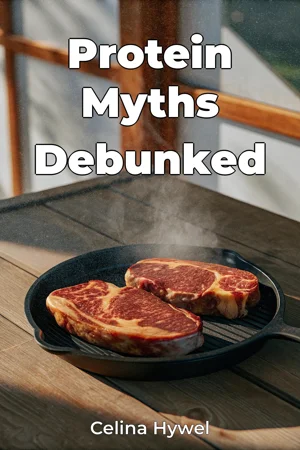
Are you confused about protein? Misinformation abounds, leading many to make dietary choices that hinder, rather than help, their health and fitness goals. This book, "Protein Myths Debunked," cuts through the noise, offering a scientifically grounded understanding of protein intake, its impact on muscle growth and metabolism, and the truth about various protein sources. Two key concepts are central to understanding protein: its vital role in building and repairing tissues and its influence on metabolic processes. Understanding these aspects is crucial for anyone seeking to optimize their diet for health, performance, or weight management. Examining the complex relationship between protein sources (animal, plant, and supplemental) and their differing effects on muscle protein synthesis is also key to a sound understanding of protein. Historically, protein has been both lauded and vilified in popular culture. High-protein diets have cycled in and out of favor, often based on anecdotal evidence rather than rigorous scientific inquiry. This book addresses the gap between the perceived benefits and the actual, measurable effects of protein consumption, grounding its arguments in scientific consensus and evidence-based research. The central argument of "Protein Myths Debunked" is that a nuanced, individualized approach to protein intake, based on scientific principles, is far more effective than adhering to generalized, often misleading, dietary trends. The book begins by laying the groundwork, defining protein, its constituent amino acids, and their functions within the body. It then systematically dismantles common misconceptions, such as the idea that more protein is always better, or that animal protein is inherently superior to plant protein. The core of the book explores the science of muscle protein synthesis, examining how different protein sources stimulate muscle growth and how factors like timing, dosage, and individual variations influence the outcome. Detailed chapters are dedicated to animal-based proteins, plant-based alternatives, and the role of protein supplements. Each chapter analyzes the latest research, including studies on protein digestion, absorption, and utilization. The concluding section translates this knowledge into practical recommendations. Guidelines for determining individual protein needs based on activity level, age, and health status are given. The evidence presented includes data from randomized controlled trials, meta-analyses, and cohort studies published in peer-reviewed scientific journals. The book will reference research in exercise physiology, nutritional biochemistry, and sports medicine. This book connects to the fields of exercise physiology, biochemistry, and sports nutrition, providing a holistic understanding of protein's role in the human body. This work differentiates itself by systematically addressing and debunking common protein myths with scientific evidence. The tone of the writing is informative yet accessible, aiming to bridge the gap between complex scientific literature and practical application. The primary audience includes fitness enthusiasts, athletes, healthcare professionals, and anyone seeking to make informed dietary choices based on scientific evidence. "Protein Myths Debunked" aligns with the conventions of science-based health and fitness books, emphasizing factual accuracy, clear explanations, and practical recommendations. While the book covers a broad range of topics related to protein, it does not delve into specific medical conditions requiring specialized dietary interventions. The insights offered in this book can be applied to optimize athletic performance, manage weight effectively, and promote overall health and well-being. The book also addresses controversies surrounding optimal protein intake for different populations, such as the elderly or individuals with kidney disease, presenting a balanced perspective based on current scientific understanding.
Are you confused about protein? Misinformation abounds, leading many to make dietary choices that hinder, rather than help, their health and fitness goals. This book, "Protein Myths Debunked," cuts through the noise, offering a scientifically grounded understanding of protein intake, its impact on muscle growth and metabolism, and the truth about various protein sources. Two key concepts are central to understanding protein: its vital role in building and repairing tissues and its influence on metabolic processes. Understanding these aspects is crucial for anyone seeking to optimize their diet for health, performance, or weight management. Examining the complex relationship between protein sources (animal, plant, and supplemental) and their differing effects on muscle protein synthesis is also key to a sound understanding of protein. Historically, protein has been both lauded and vilified in popular culture. High-protein diets have cycled in and out of favor, often based on anecdotal evidence rather than rigorous scientific inquiry. This book addresses the gap between the perceived benefits and the actual, measurable effects of protein consumption, grounding its arguments in scientific consensus and evidence-based research. The central argument of "Protein Myths Debunked" is that a nuanced, individualized approach to protein intake, based on scientific principles, is far more effective than adhering to generalized, often misleading, dietary trends. The book begins by laying the groundwork, defining protein, its constituent amino acids, and their functions within the body. It then systematically dismantles common misconceptions, such as the idea that more protein is always better, or that animal protein is inherently superior to plant protein. The core of the book explores the science of muscle protein synthesis, examining how different protein sources stimulate muscle growth and how factors like timing, dosage, and individual variations influence the outcome. Detailed chapters are dedicated to animal-based proteins, plant-based alternatives, and the role of protein supplements. Each chapter analyzes the latest research, including studies on protein digestion, absorption, and utilization. The concluding section translates this knowledge into practical recommendations. Guidelines for determining individual protein needs based on activity level, age, and health status are given. The evidence presented includes data from randomized controlled trials, meta-analyses, and cohort studies published in peer-reviewed scientific journals. The book will reference research in exercise physiology, nutritional biochemistry, and sports medicine. This book connects to the fields of exercise physiology, biochemistry, and sports nutrition, providing a holistic understanding of protein's role in the human body. This work differentiates itself by systematically addressing and debunking common protein myths with scientific evidence. The tone of the writing is informative yet accessible, aiming to bridge the gap between complex scientific literature and practical application. The primary audience includes fitness enthusiasts, athletes, healthcare professionals, and anyone seeking to make informed dietary choices based on scientific evidence. "Protein Myths Debunked" aligns with the conventions of science-based health and fitness books, emphasizing factual accuracy, clear explanations, and practical recommendations. While the book covers a broad range of topics related to protein, it does not delve into specific medical conditions requiring specialized dietary interventions. The insights offered in this book can be applied to optimize athletic performance, manage weight effectively, and promote overall health and well-being. The book also addresses controversies surrounding optimal protein intake for different populations, such as the elderly or individuals with kidney disease, presenting a balanced perspective based on current scientific understanding.
"Protein Myths Debunked" tackles widespread confusion surrounding protein, a vital nutrient for health and fitness. The book addresses popular misconceptions, emphasizing that a personalized, scientifically informed approach to protein intake is more effective than blindly following dietary trends. It highlights protein's crucial role in tissue repair and its impact on metabolic function, illustrating how understanding these elements is key to optimizing health and fitness goals. The book debunks pervasive myths, such as the notion that more protein is always better, or that animal protein is inherently superior. It systematically explores the science of muscle protein synthesis, dissecting how various protein sources influence muscle growth, while considering individual factors like timing and dosage. Did you know that the quality of protein is determined by its amino acid profile and digestibility? Or that plant-based proteins can be just as effective as animal proteins for building muscle when consumed strategically? Beginning with the basics of protein and amino acids, the chapters progress to detailed analyses of animal, plant, and supplemental protein sources, always grounding its arguments in scientific evidence. The concluding chapters translate this wealth of information into practical guidelines for determining individual protein needs based on activity level, age, and health status. This approach makes complex concepts understandable, empowering readers to make informed dietary choices.
Book Details
ISBN
9788233962814
Publisher
Publifye AS
Your Licenses
You don't own any licenses for this book
Purchase a license below to unlock this book and download the EPUB.
Purchase License
Select a tier to unlock this book
Need bulk licensing?
Contact us for enterprise agreements.