
About This Book
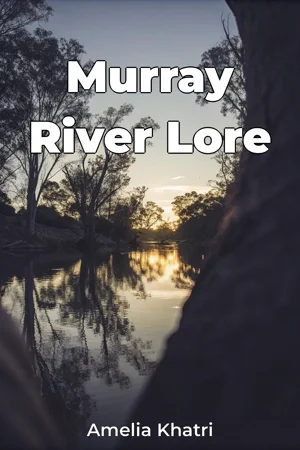
Have you ever considered the river not just as a geographical feature, but as a living entity imbued with spirit and ancestral significance? *Murray River Lore* delves into the profound spiritual connection between Australia's Murray River and the Aboriginal people who have lived along its banks for millennia. This book explores the river's sacred status, its central role in Dreamtime stories, and the ongoing cultural and spiritual responsibilities associated with its care. This exploration is vital because understanding this deep, interwoven relationship offers crucial perspectives on Australian history, environmental stewardship, and the preservation of Indigenous cultures. It challenges us to reconsider our own connection to the natural world and the responsibilities we have to protect culturally significant landscapes. *Murray River Lore* provides essential historical context by examining the pre-colonial history of the Murray River region and the impact of European settlement on Aboriginal communities and their ancestral lands. It illuminates the devastating consequences of resource exploitation and the disruption of traditional lifestyles, while simultaneously highlighting the resilience and ongoing cultural practices of Aboriginal people despite these challenges. A basic understanding of Australian colonization is helpful, but not necessary, as the book provides appropriate background. The central argument of this book is that the Murray River is not simply a natural resource, but a living ancestor whose well-being is inextricably linked to the well-being of the Aboriginal people who are its custodians. By understanding the spiritual significance of the river, we can foster a more respectful and sustainable approach to its management and conservation. The book's structure unfolds as follows: First, we provide an introduction to the concept of Dreamtime and its significance in Aboriginal cosmology, focusing on the Murray River as a central component. Then, we delve into specific Dreamtime stories associated with the river, analyzing their symbolism and cultural meanings. Major points include: the creation stories associated with the river's formation and the ancestral beings responsible for shaping the landscape; the river's role as a pathway for ancestral spirits and a source of spiritual renewal; and the ongoing cultural practices and ceremonies that maintain the connection between Aboriginal people and the river. Finally, the information culminates in a discussion of contemporary environmental challenges facing the Murray River and the implications for Aboriginal cultural heritage, advocating for collaborative approaches to river management that respect Indigenous knowledge and values. Practical applications include case studies of successful Indigenous-led conservation initiatives. *Murray River Lore* draws upon a range of evidence, including ethnographic research, oral histories, archaeological findings, and analyses of Aboriginal art and material culture. Unique data sources include unpublished accounts from Aboriginal elders and community members, providing firsthand perspectives on the river's cultural and spiritual importance. The book connects to other fields of study, including anthropology, environmental science, and Australian history. The lens of anthropology allows exploration into cultural beliefs and practices, environmental science informs discussions about river health and ecological sustainability, and historical analysis contextualizes the impact of colonization on Aboriginal communities and the environment. The book's unique approach lies in its centering of Aboriginal voices and perspectives, challenging dominant narratives about the Murray River and its history. It adopts a narrative non-fiction approach, weaving together historical accounts, personal stories, and cultural analysis in an accessible and engaging manner. The target audience includes students, researchers, environmental professionals, and anyone interested in Australian history, Indigenous cultures, and environmental conservation. It will be valuable to anyone seeking a deeper understanding of the complex relationship between people and place. As a work of history and spirituality, the book aims to provide a factual and respectful account of Aboriginal beliefs and practices, while acknowledging the limitations of interpreting complex cultural traditions from an outside perspective. The scope is limited to the cultural and spiritual significance of the Murray River for Aboriginal people, rather than a comprehensive history of the river's development or environmental management. The information presented in *Murray River Lore* can be applied practically by readers through advocacy for Indigenous rights, support for sustainable tourism initiatives, and participation in collaborative river management programs. While there is broad agreement on the importance of protecting Aboriginal cultural heritage, debates persist regarding the best approaches to balancing environmental conservation with economic development and Indigenous self-determination. This book aims to contribute to these discussions by providing a nuanced and informed perspective on the cultural and spiritual values associated with the Murray River.
Have you ever considered the river not just as a geographical feature, but as a living entity imbued with spirit and ancestral significance? *Murray River Lore* delves into the profound spiritual connection between Australia's Murray River and the Aboriginal people who have lived along its banks for millennia. This book explores the river's sacred status, its central role in Dreamtime stories, and the ongoing cultural and spiritual responsibilities associated with its care. This exploration is vital because understanding this deep, interwoven relationship offers crucial perspectives on Australian history, environmental stewardship, and the preservation of Indigenous cultures. It challenges us to reconsider our own connection to the natural world and the responsibilities we have to protect culturally significant landscapes. *Murray River Lore* provides essential historical context by examining the pre-colonial history of the Murray River region and the impact of European settlement on Aboriginal communities and their ancestral lands. It illuminates the devastating consequences of resource exploitation and the disruption of traditional lifestyles, while simultaneously highlighting the resilience and ongoing cultural practices of Aboriginal people despite these challenges. A basic understanding of Australian colonization is helpful, but not necessary, as the book provides appropriate background. The central argument of this book is that the Murray River is not simply a natural resource, but a living ancestor whose well-being is inextricably linked to the well-being of the Aboriginal people who are its custodians. By understanding the spiritual significance of the river, we can foster a more respectful and sustainable approach to its management and conservation. The book's structure unfolds as follows: First, we provide an introduction to the concept of Dreamtime and its significance in Aboriginal cosmology, focusing on the Murray River as a central component. Then, we delve into specific Dreamtime stories associated with the river, analyzing their symbolism and cultural meanings. Major points include: the creation stories associated with the river's formation and the ancestral beings responsible for shaping the landscape; the river's role as a pathway for ancestral spirits and a source of spiritual renewal; and the ongoing cultural practices and ceremonies that maintain the connection between Aboriginal people and the river. Finally, the information culminates in a discussion of contemporary environmental challenges facing the Murray River and the implications for Aboriginal cultural heritage, advocating for collaborative approaches to river management that respect Indigenous knowledge and values. Practical applications include case studies of successful Indigenous-led conservation initiatives. *Murray River Lore* draws upon a range of evidence, including ethnographic research, oral histories, archaeological findings, and analyses of Aboriginal art and material culture. Unique data sources include unpublished accounts from Aboriginal elders and community members, providing firsthand perspectives on the river's cultural and spiritual importance. The book connects to other fields of study, including anthropology, environmental science, and Australian history. The lens of anthropology allows exploration into cultural beliefs and practices, environmental science informs discussions about river health and ecological sustainability, and historical analysis contextualizes the impact of colonization on Aboriginal communities and the environment. The book's unique approach lies in its centering of Aboriginal voices and perspectives, challenging dominant narratives about the Murray River and its history. It adopts a narrative non-fiction approach, weaving together historical accounts, personal stories, and cultural analysis in an accessible and engaging manner. The target audience includes students, researchers, environmental professionals, and anyone interested in Australian history, Indigenous cultures, and environmental conservation. It will be valuable to anyone seeking a deeper understanding of the complex relationship between people and place. As a work of history and spirituality, the book aims to provide a factual and respectful account of Aboriginal beliefs and practices, while acknowledging the limitations of interpreting complex cultural traditions from an outside perspective. The scope is limited to the cultural and spiritual significance of the Murray River for Aboriginal people, rather than a comprehensive history of the river's development or environmental management. The information presented in *Murray River Lore* can be applied practically by readers through advocacy for Indigenous rights, support for sustainable tourism initiatives, and participation in collaborative river management programs. While there is broad agreement on the importance of protecting Aboriginal cultural heritage, debates persist regarding the best approaches to balancing environmental conservation with economic development and Indigenous self-determination. This book aims to contribute to these discussions by providing a nuanced and informed perspective on the cultural and spiritual values associated with the Murray River.
*Murray River Lore* explores the deep spiritual connection between the Murray River and the Aboriginal people, revealing the river's sacred status within Dreamtime stories and its vital role in cultural heritage. The book highlights the ancestral significance of the river, not just as a geographical feature, but as a living entity deeply interwoven with Indigenous spirituality. Readers will gain insights into how the river serves as a pathway for ancestral spirits and a source of spiritual renewal, emphasizing the responsibilities associated with its care and the ongoing cultural practices that maintain this connection. The book provides essential historical context, examining the impact of European settlement on Aboriginal communities and their ancestral lands, while advocating for collaborative approaches to river management. Through ethnographic research, oral histories, and analyses of Aboriginal art, it presents a narrative non-fiction account, weaving together historical accounts, personal stories, and cultural analysis. It progresses from introducing Dreamtime concepts to exploring specific stories and discussing contemporary environmental challenges, offering a unique perspective by centering Aboriginal voices and challenging dominant narratives about the Murray River.
Book Details
ISBN
9788233962562
Publisher
Publifye AS
Your Licenses
You don't own any licenses for this book
Purchase a license below to unlock this book and download the EPUB.
Purchase License
Select a tier to unlock this book
Need bulk licensing?
Contact us for enterprise agreements.