
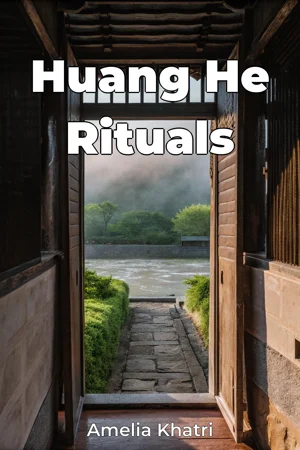
About This Book
What secrets lie beneath the swirling currents of the Yellow River, China’s second longest river? *Huang He Rituals* unveils the profound connection between this vital waterway and the spiritual heart of Chinese civilization, exploring its pivotal function in ancestral worship and the rich tapestry of mythological narratives that have grown from its banks. This exploration is essential for understanding the long-lasting impact of geography on Chinese culture, illustrating how a river transcends its physical form to become a sacred entity, deeply embedded in the rituals and beliefs of a nation. To fully appreciate the Yellow River's multifaceted role, we must delve into the historical context of early Chinese societies, where the river served not only as a source of life-giving water but also as a nexus for communication with the divine and the venerated ancestors. *Huang He Rituals* argues that the Yellow River is more than just a geographical feature; it is a living embodiment of Chinese spiritual identity, shaping cultural practices and belief systems for millennia. This thesis is developed through a structured examination of the river's influence, beginning with the very genesis of Chinese civilization along its fertile plains. The book unfolds in three distinct sections. First, it introduces the reader to the foundational myths surrounding the Yellow River, examining figures like Yu the Great and the legends of dragon deities associated with its waters. Second, it moves into the intricate rituals performed on the river’s banks, specifically focusing on ancestral veneration and the symbolic offerings made to ensure prosperity and harmony. Third, it analyzes the river's role in shaping Chinese cosmology and philosophy, exploring its connection to concepts like “feng shui” and the balance between humans and nature. To support these arguments, *Huang He Rituals* draws upon a diverse range of sources, including archaeological findings from ancient settlements along the Yellow River, classical texts detailing ritual practices, and anthropological studies of contemporary traditions that echo these ancient customs. The book also integrates insights from art history, analyzing depictions of the Yellow River in paintings, sculptures, and other forms of visual culture. The themes explored in *Huang He Rituals* resonate with disciplines ranging from environmental studies to comparative religion. Its examination of human-nature interactions is relevant to understanding contemporary environmental challenges, while its analysis of ancestral worship offers valuable insights into the cross-cultural study of religious practices. Furthermore, the book fosters a deeper appreciation for the interconnectedness of history, culture, and the natural world. What distinguishes *Huang He Rituals* is its holistic approach, blending historical analysis with spiritual interpretation to provide a nuanced understanding of the Yellow River’s significance. This book is meticulously researched, yet accessible, making it ideal for students, scholars, and anyone interested in Chinese history, religion, or cultural studies. It provides a critical lens that elucidates the enduring power of the Yellow River in shaping Chinese identity. While the book focuses primarily on the spiritual and ritual dimensions of the Yellow River, it acknowledges the vast scope of its influence on all facets of Chinese civilization, including agriculture, politics, and economics; however, these aspects are not analyzed exhaustively. *Huang He Rituals* is not just an academic exploration; it offers practical insights into the values and beliefs that underpin Chinese society, promoting cross-cultural understanding and appreciation. It addresses ongoing debates about the role of tradition in modern China and how ancient beliefs continue to shape contemporary attitudes toward nature and the cosmos.
What secrets lie beneath the swirling currents of the Yellow River, China’s second longest river? *Huang He Rituals* unveils the profound connection between this vital waterway and the spiritual heart of Chinese civilization, exploring its pivotal function in ancestral worship and the rich tapestry of mythological narratives that have grown from its banks. This exploration is essential for understanding the long-lasting impact of geography on Chinese culture, illustrating how a river transcends its physical form to become a sacred entity, deeply embedded in the rituals and beliefs of a nation. To fully appreciate the Yellow River's multifaceted role, we must delve into the historical context of early Chinese societies, where the river served not only as a source of life-giving water but also as a nexus for communication with the divine and the venerated ancestors. *Huang He Rituals* argues that the Yellow River is more than just a geographical feature; it is a living embodiment of Chinese spiritual identity, shaping cultural practices and belief systems for millennia. This thesis is developed through a structured examination of the river's influence, beginning with the very genesis of Chinese civilization along its fertile plains. The book unfolds in three distinct sections. First, it introduces the reader to the foundational myths surrounding the Yellow River, examining figures like Yu the Great and the legends of dragon deities associated with its waters. Second, it moves into the intricate rituals performed on the river’s banks, specifically focusing on ancestral veneration and the symbolic offerings made to ensure prosperity and harmony. Third, it analyzes the river's role in shaping Chinese cosmology and philosophy, exploring its connection to concepts like “feng shui” and the balance between humans and nature. To support these arguments, *Huang He Rituals* draws upon a diverse range of sources, including archaeological findings from ancient settlements along the Yellow River, classical texts detailing ritual practices, and anthropological studies of contemporary traditions that echo these ancient customs. The book also integrates insights from art history, analyzing depictions of the Yellow River in paintings, sculptures, and other forms of visual culture. The themes explored in *Huang He Rituals* resonate with disciplines ranging from environmental studies to comparative religion. Its examination of human-nature interactions is relevant to understanding contemporary environmental challenges, while its analysis of ancestral worship offers valuable insights into the cross-cultural study of religious practices. Furthermore, the book fosters a deeper appreciation for the interconnectedness of history, culture, and the natural world. What distinguishes *Huang He Rituals* is its holistic approach, blending historical analysis with spiritual interpretation to provide a nuanced understanding of the Yellow River’s significance. This book is meticulously researched, yet accessible, making it ideal for students, scholars, and anyone interested in Chinese history, religion, or cultural studies. It provides a critical lens that elucidates the enduring power of the Yellow River in shaping Chinese identity. While the book focuses primarily on the spiritual and ritual dimensions of the Yellow River, it acknowledges the vast scope of its influence on all facets of Chinese civilization, including agriculture, politics, and economics; however, these aspects are not analyzed exhaustively. *Huang He Rituals* is not just an academic exploration; it offers practical insights into the values and beliefs that underpin Chinese society, promoting cross-cultural understanding and appreciation. It addresses ongoing debates about the role of tradition in modern China and how ancient beliefs continue to shape contemporary attitudes toward nature and the cosmos.
"Huang He Rituals" explores the Yellow River's deep connection to Chinese civilization, highlighting its role in shaping spiritual identity and ancestral worship. The book argues that the river is more than a geographical feature; it's a living embodiment of Chinese culture. Intriguingly, the Yellow River has served not only as a source of water but also as a nexus for communicating with the divine. The river's influence extends to mythology, with legends of dragon deities adding to its sacred status. The book examines the river's role in shaping Chinese cosmology and philosophy, including its connection to feng shui. "Huang He Rituals" unfolds in three parts, beginning with foundational myths, then moving into rituals performed on the riverbanks, and finally analyzing the river's role in shaping Chinese thought. By blending historical analysis with spiritual interpretation, the book offers a unique understanding of the Yellow River's significance.
Book Details
ISBN
9788233962494
Publisher
Publifye AS
Your Licenses
You don't own any licenses for this book
Purchase a license below to unlock this book and download the EPUB.
Purchase License
Select a tier to unlock this book
Need bulk licensing?
Contact us for enterprise agreements.