
About This Book
Have you ever considered a river not just as a geographical feature, but as a living, breathing entity imbued with spiritual power? "Irawaddy River Blessings" delves into the profound sacredness of the Irawaddy River in Myanmar, revealing its intricate connection to Buddhist rituals and its deep spiritual symbolism for the Burmese people. This book explores how the Irawaddy, the lifeblood of Myanmar, is far more than a waterway; it is a sacred space, a source of cultural identity, and a vital artery connecting the spiritual and material realms. This exploration is important because understanding the Irawaddy's sacred role provides key insights into Myanmar's cultural heritage, religious practices, and historical development. Furthermore, it underscores the universal human tendency to imbue natural landscapes with spiritual meaning, a phenomenon relevant to diverse cultures worldwide. Recognizing this sacredness is also crucial in contemporary discussions about environmental conservation and sustainable development in the face of growing economic pressures on the river. This book argues that the Irawaddy River’s enduring sacredness has shaped Myanmar’s cultural identity, influenced its socio-political landscape, and continues to inform the spiritual lives of its people. Through a comprehensive examination, "Irawaddy River Blessings" reveals how the river is not merely a geographical entity, but a dynamic force actively participating in the creation and preservation of Burmese culture. The book unfolds in a structured narrative. First, it introduces the Irawaddy River, highlighting its geographical significance and its role as a primary source of sustenance and transportation. The book then investigates the river’s connection to Buddhist rituals, detailing how monks and devotees use the river for purification ceremonies, blessings, and other religious practices. Attention is given to the types of offerings and the spiritual beliefs that underpin these sacred actions. Secondly, chapters are dedicated to exploring the symbolism of the Irawaddy in Burmese folklore, literature, and art, revealing how the river acts as a metaphor for life, death, renewal, and spiritual enlightenment. Finally, the book culminates by examining the contemporary challenges facing the Irawaddy, including environmental degradation and rapid modernization, and discusses the implications of these challenges for the river’s sacred status and the well-being of the communities that depend on it. Woven throughout this narrative are examples of how local communities are striving to preserve the river's sanctity. The book draws upon a diverse range of sources, including historical texts, ethnographic studies, religious scriptures, and interviews with monks, local communities, and environmental experts. Unique data is derived from firsthand observations of river rituals, analyses of traditional Burmese art and literature, and records from local environmental organizations working to protect the Irawaddy. "Irawaddy River Blessings" bridges several disciplines, connecting religion, history, and environmental studies. It demonstrates how religious beliefs influence human interactions with the environment, how historical events shape cultural landscapes, and how environmental challenges impact religious practices. Highlighting these interdisciplinary connections enriches our understanding of the complex relationship between humans and nature. This book offers a unique perspective by examining the Irawaddy River through the lens of sacred geography, a field that explores the spiritual significance of landscapes and the cultural practices associated with them. It combines academic rigor with accessible language, weaving together historical analysis, religious studies, and environmental concerns to present a holistic understanding of the Irawaddy’s sacredness. Written in a clear and engaging style, "Irawaddy River Blessings" is intended for a broad audience, including students, researchers, travelers, and anyone interested in learning more about Myanmar's culture, religion, and environmental issues. It will appeal to scholars of religious studies, Southeast Asian history, cultural geography, and environmental anthropology, as well as those interested in the intersection of spirituality and nature. As a work of non-fiction in the areas of religion, world history, and history world, "Irawaddy River Blessings" offers a comprehensive narrative supported by research and verifiable facts. It is focused on the river's sacredness, and it intentionally limits its scope to this specific theme, while acknowledging the complex socio-political and economic realities present in Myanmar. The knowledge presented in this book can be put to practical use for environmental conservation efforts, cultural preservation initiatives, and sustainable tourism development in the Irawaddy River basin. Understanding the river’s sacred significance can inform policies that protect its ecological integrity while respecting the cultural values of local communities. This book also acknowledges ongoing debates surrounding development projects along the Irawaddy River and the potential impact on its sacred status. It presents different perspectives on these issues, encouraging readers to critically evaluate the challenges and opportunities facing the river and the people who depend on it.
Have you ever considered a river not just as a geographical feature, but as a living, breathing entity imbued with spiritual power? "Irawaddy River Blessings" delves into the profound sacredness of the Irawaddy River in Myanmar, revealing its intricate connection to Buddhist rituals and its deep spiritual symbolism for the Burmese people. This book explores how the Irawaddy, the lifeblood of Myanmar, is far more than a waterway; it is a sacred space, a source of cultural identity, and a vital artery connecting the spiritual and material realms. This exploration is important because understanding the Irawaddy's sacred role provides key insights into Myanmar's cultural heritage, religious practices, and historical development. Furthermore, it underscores the universal human tendency to imbue natural landscapes with spiritual meaning, a phenomenon relevant to diverse cultures worldwide. Recognizing this sacredness is also crucial in contemporary discussions about environmental conservation and sustainable development in the face of growing economic pressures on the river. This book argues that the Irawaddy River’s enduring sacredness has shaped Myanmar’s cultural identity, influenced its socio-political landscape, and continues to inform the spiritual lives of its people. Through a comprehensive examination, "Irawaddy River Blessings" reveals how the river is not merely a geographical entity, but a dynamic force actively participating in the creation and preservation of Burmese culture. The book unfolds in a structured narrative. First, it introduces the Irawaddy River, highlighting its geographical significance and its role as a primary source of sustenance and transportation. The book then investigates the river’s connection to Buddhist rituals, detailing how monks and devotees use the river for purification ceremonies, blessings, and other religious practices. Attention is given to the types of offerings and the spiritual beliefs that underpin these sacred actions. Secondly, chapters are dedicated to exploring the symbolism of the Irawaddy in Burmese folklore, literature, and art, revealing how the river acts as a metaphor for life, death, renewal, and spiritual enlightenment. Finally, the book culminates by examining the contemporary challenges facing the Irawaddy, including environmental degradation and rapid modernization, and discusses the implications of these challenges for the river’s sacred status and the well-being of the communities that depend on it. Woven throughout this narrative are examples of how local communities are striving to preserve the river's sanctity. The book draws upon a diverse range of sources, including historical texts, ethnographic studies, religious scriptures, and interviews with monks, local communities, and environmental experts. Unique data is derived from firsthand observations of river rituals, analyses of traditional Burmese art and literature, and records from local environmental organizations working to protect the Irawaddy. "Irawaddy River Blessings" bridges several disciplines, connecting religion, history, and environmental studies. It demonstrates how religious beliefs influence human interactions with the environment, how historical events shape cultural landscapes, and how environmental challenges impact religious practices. Highlighting these interdisciplinary connections enriches our understanding of the complex relationship between humans and nature. This book offers a unique perspective by examining the Irawaddy River through the lens of sacred geography, a field that explores the spiritual significance of landscapes and the cultural practices associated with them. It combines academic rigor with accessible language, weaving together historical analysis, religious studies, and environmental concerns to present a holistic understanding of the Irawaddy’s sacredness. Written in a clear and engaging style, "Irawaddy River Blessings" is intended for a broad audience, including students, researchers, travelers, and anyone interested in learning more about Myanmar's culture, religion, and environmental issues. It will appeal to scholars of religious studies, Southeast Asian history, cultural geography, and environmental anthropology, as well as those interested in the intersection of spirituality and nature. As a work of non-fiction in the areas of religion, world history, and history world, "Irawaddy River Blessings" offers a comprehensive narrative supported by research and verifiable facts. It is focused on the river's sacredness, and it intentionally limits its scope to this specific theme, while acknowledging the complex socio-political and economic realities present in Myanmar. The knowledge presented in this book can be put to practical use for environmental conservation efforts, cultural preservation initiatives, and sustainable tourism development in the Irawaddy River basin. Understanding the river’s sacred significance can inform policies that protect its ecological integrity while respecting the cultural values of local communities. This book also acknowledges ongoing debates surrounding development projects along the Irawaddy River and the potential impact on its sacred status. It presents different perspectives on these issues, encouraging readers to critically evaluate the challenges and opportunities facing the river and the people who depend on it.
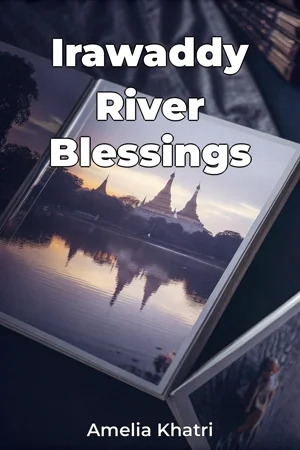
"Irawaddy River Blessings" explores the profound spiritual significance of the Irawaddy River in Myanmar, revealing its role as a sacred entity deeply intertwined with Burmese culture and Buddhist rituals. The book examines how the river functions not merely as a geographical feature, but as a vital source of cultural identity and spiritual symbolism for the people of Myanmar. Discover how the Irawaddy is used in purification ceremonies by monks and devotees, highlighting the unique connection between religious practices and the natural world. The book progresses by initially highlighting the geographical importance of the Irawaddy, then delves into the river's connection to Buddhist rituals and its symbolic representation in Burmese folklore and art. Ultimately, the book addresses contemporary challenges, such as environmental degradation, and their implications for the river's sacred status. By examining the Irawaddy River through the lens of sacred geography, the book offers a unique perspective on the interdisciplinary connections between religion, history, and environmental studies, making it a valuable resource for understanding Myanmar's cultural heritage and environmental issues.
Book Details
ISBN
9788233962456
Publisher
Publifye AS
Your Licenses
You don't own any licenses for this book
Purchase a license below to unlock this book and download the EPUB.
Purchase License
Select a tier to unlock this book
Need bulk licensing?
Contact us for enterprise agreements.