
About This Book
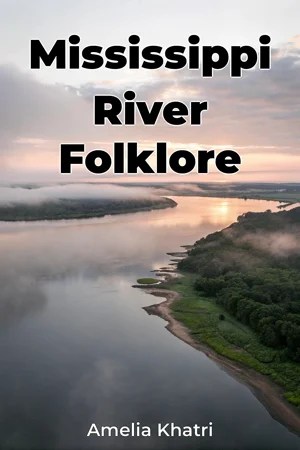
Have you ever considered the Mississippi River as more than just a geographical feature? "Mississippi River Folklore" delves into the rich spiritual and cultural tapestry woven around this vital waterway by Native American traditions, revealing its profound significance in their lives and beliefs. This book explores the river's sacred role as a conduit between worlds, a source of life, and a powerful symbol within diverse tribal belief systems. We examine the river’s significance across three major themes: the spiritual essence of the Mississippi in Native American cosmology, the varied legends and narratives associated with the river, and the role of the river in sacred ceremonies and rituals. Understanding these aspects is crucial for appreciating the depth of Native American cultures and their enduring relationship with the natural world, offering insights relevant to environmental studies, religious studies, and Native American history. The book provides historical context by exploring the diverse Native American tribes who have inhabited the Mississippi River basin for millennia. Knowledge of their distinct cultures, languages, and spiritual practices is assumed, though introductory material offers an overview. The central argument posits that the Mississippi River is not merely a physical entity but a living, breathing entity imbued with spiritual power that shapes Native American identity, tradition, and worldview. This argument is important because it challenges conventional understandings of geography and history, urging a more holistic and respectful approach to understanding the relationship between humans and the environment. The book unfolds in a structured manner. First, we introduce the concept of the Mississippi as a sacred entity, exploring its various names and representations in different tribal traditions. Second, we develop this idea by examining specific legends and stories associated with the river, analyzing their symbolism and cultural significance. Particular points include: the origin myths connected to the river, stories of water spirits and guardians, and narratives that highlight the river's role in shaping tribal identities. Third, we investigate the river's role in sacred ceremonies, such as water rituals, healing practices, and rites of passage. Finally, we consider the implications of this spiritual connection in contemporary contexts, focusing on environmental stewardship, cultural preservation, and the ongoing struggle to protect Native American rights. The evidence presented in the book draws from a variety of sources, including ethnographic studies, oral histories, anthropological research, and historical documents. Unique data include previously untranslated oral narratives and firsthand accounts from tribal elders. "Mississippi River Folklore" fosters interdisciplinary connections by engaging with environmental studies (exploring the ecological importance of the river and the impact of human activities), religious studies (examining Native American spiritual beliefs and practices), and cultural anthropology (analyzing the cultural significance of the river in shaping social structures and identities). These connections enhance the book's argument by demonstrating the multifaceted nature of the Mississippi River's influence. The book offers a unique perspective by centering the narrative on Native American voices and perspectives, challenging dominant historical narratives that often marginalize or ignore indigenous experiences. It stands out by focusing specifically on the folklore and spiritual significance of the river, aspects often overlooked in broader historical or geographical studies. The tone is respectful, informative, and accessible. While grounded in scholarly research, the book aims to engage a broader audience with compelling stories and insights. The target audience includes students and scholars of Native American studies, environmental history, religious studies, and folklore. It will also appeal to general readers interested in learning more about Native American cultures and the spiritual significance of the natural world. The book aligns with the conventions of history and religion genres by presenting factual information, analyzing primary sources, and engaging with scholarly debates. The scope is limited to the spiritual and cultural significance of the Mississippi River in Native American traditions, focusing primarily on tribes historically associated with the river basin. It does not cover the river's industrial development or its role in American commerce in detail. This book promotes practical application by raising awareness about the importance of respecting and protecting sacred sites, fostering cross-cultural understanding, and promoting environmental stewardship. While the book does not shy away from discussing the historical injustices faced by Native American tribes, it primarily focuses on their cultural resilience and the enduring power of their spiritual beliefs. Ongoing debates about environmental policy and Native American rights are addressed, but the book seeks to foster dialogue and understanding rather than taking a partisan stance.
Have you ever considered the Mississippi River as more than just a geographical feature? "Mississippi River Folklore" delves into the rich spiritual and cultural tapestry woven around this vital waterway by Native American traditions, revealing its profound significance in their lives and beliefs. This book explores the river's sacred role as a conduit between worlds, a source of life, and a powerful symbol within diverse tribal belief systems. We examine the river’s significance across three major themes: the spiritual essence of the Mississippi in Native American cosmology, the varied legends and narratives associated with the river, and the role of the river in sacred ceremonies and rituals. Understanding these aspects is crucial for appreciating the depth of Native American cultures and their enduring relationship with the natural world, offering insights relevant to environmental studies, religious studies, and Native American history. The book provides historical context by exploring the diverse Native American tribes who have inhabited the Mississippi River basin for millennia. Knowledge of their distinct cultures, languages, and spiritual practices is assumed, though introductory material offers an overview. The central argument posits that the Mississippi River is not merely a physical entity but a living, breathing entity imbued with spiritual power that shapes Native American identity, tradition, and worldview. This argument is important because it challenges conventional understandings of geography and history, urging a more holistic and respectful approach to understanding the relationship between humans and the environment. The book unfolds in a structured manner. First, we introduce the concept of the Mississippi as a sacred entity, exploring its various names and representations in different tribal traditions. Second, we develop this idea by examining specific legends and stories associated with the river, analyzing their symbolism and cultural significance. Particular points include: the origin myths connected to the river, stories of water spirits and guardians, and narratives that highlight the river's role in shaping tribal identities. Third, we investigate the river's role in sacred ceremonies, such as water rituals, healing practices, and rites of passage. Finally, we consider the implications of this spiritual connection in contemporary contexts, focusing on environmental stewardship, cultural preservation, and the ongoing struggle to protect Native American rights. The evidence presented in the book draws from a variety of sources, including ethnographic studies, oral histories, anthropological research, and historical documents. Unique data include previously untranslated oral narratives and firsthand accounts from tribal elders. "Mississippi River Folklore" fosters interdisciplinary connections by engaging with environmental studies (exploring the ecological importance of the river and the impact of human activities), religious studies (examining Native American spiritual beliefs and practices), and cultural anthropology (analyzing the cultural significance of the river in shaping social structures and identities). These connections enhance the book's argument by demonstrating the multifaceted nature of the Mississippi River's influence. The book offers a unique perspective by centering the narrative on Native American voices and perspectives, challenging dominant historical narratives that often marginalize or ignore indigenous experiences. It stands out by focusing specifically on the folklore and spiritual significance of the river, aspects often overlooked in broader historical or geographical studies. The tone is respectful, informative, and accessible. While grounded in scholarly research, the book aims to engage a broader audience with compelling stories and insights. The target audience includes students and scholars of Native American studies, environmental history, religious studies, and folklore. It will also appeal to general readers interested in learning more about Native American cultures and the spiritual significance of the natural world. The book aligns with the conventions of history and religion genres by presenting factual information, analyzing primary sources, and engaging with scholarly debates. The scope is limited to the spiritual and cultural significance of the Mississippi River in Native American traditions, focusing primarily on tribes historically associated with the river basin. It does not cover the river's industrial development or its role in American commerce in detail. This book promotes practical application by raising awareness about the importance of respecting and protecting sacred sites, fostering cross-cultural understanding, and promoting environmental stewardship. While the book does not shy away from discussing the historical injustices faced by Native American tribes, it primarily focuses on their cultural resilience and the enduring power of their spiritual beliefs. Ongoing debates about environmental policy and Native American rights are addressed, but the book seeks to foster dialogue and understanding rather than taking a partisan stance.
"Mississippi River Folklore" explores the profound spiritual and cultural importance of the Mississippi River within Native American traditions. It examines the river not merely as a geographical feature, but as a sacred entity central to tribal beliefs, acting as a conduit between worlds and a source of life. The book reveals how the river shapes Native American identity and worldview, challenging conventional understandings of geography and history. The book unfolds by first introducing the concept of the Mississippi as a sacred entity, then delving into specific legends and stories associated with the river, analyzing their symbolism and cultural significance. It further investigates the river's role in sacred ceremonies, such as water rituals, healing practices, and rites of passage. Drawing from ethnographic studies, oral histories, and anthropological research, the book uniquely centers the narrative on Native American voices, offering valuable insights into their enduring relationship with the natural world. Lastly, "Mississippi River Folklore" considers the implications of this spiritual connection in contemporary contexts, focusing on environmental stewardship, cultural preservation, and the ongoing struggle to protect Native American rights. By examining the river's spiritual essence, legends, and its role in sacred ceremonies, the book fosters interdisciplinary connections with environmental studies, religious studies, and cultural anthropology, highlighting the multifaceted influence of the Mississippi River.
Book Details
ISBN
9788233962333
Publisher
Publifye AS
Your Licenses
You don't own any licenses for this book
Purchase a license below to unlock this book and download the EPUB.
Purchase License
Select a tier to unlock this book
Need bulk licensing?
Contact us for enterprise agreements.