
About This Book
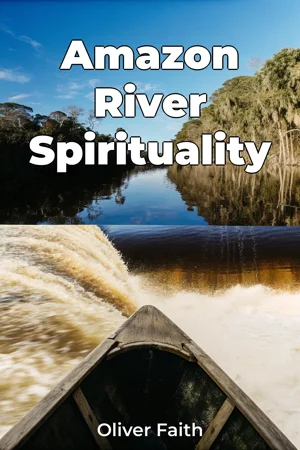
Can a river be a deity? For the indigenous tribes of the Amazon, the answer is an unequivocal yes. "Amazon River Spirituality" delves into the profound and intricate spiritual relationship between these communities and the river that sustains them, examining the Amazon not merely as a geographical feature, but as a living, breathing embodiment of the sacred. This book explores the spiritual practices, beliefs, and ecological wisdom of Amazonian tribes, revealing how their connection to nature deities shapes their daily lives and their understanding of the cosmos. This journey into Amazonian spirituality is vital because it offers a counterpoint to the dominant Western worldview that often separates humanity from nature. By understanding how these indigenous cultures perceive and interact with their environment, we can gain new perspectives on conservation, sustainability, and the interconnectedness of all living things. Furthermore, the erosion of indigenous cultures and the environmental degradation of the Amazon rainforest make the preservation of this knowledge more critical than ever. The book provides a comprehensive examination of three key areas: Firstly, the cosmology and mythology of the Amazonian tribes, focusing on the river's role as a source of life, a pathway to the spirit world, and a powerful deity in its own right. Secondly, the ritual practices and ceremonies that honor the river and its associated spirits, including shamanic traditions, initiation rites, and healing ceremonies. Thirdly, the ecological knowledge of the indigenous peoples, demonstrating how their spiritual beliefs translate into sustainable practices that protect the rainforest and its biodiversity. The core argument of "Amazon River Spirituality" is that the spiritual worldview of indigenous Amazonian tribes is inextricably linked to the ecological health of the rainforest. Their reverence for the river and its associated deities fosters a deep sense of responsibility towards the environment, leading to practices that promote sustainability and biodiversity. This understanding is crucial for developing effective conservation strategies that respect both the environment and the cultural heritage of the Amazonian people. The book is structured in three parts. Part 1 introduces the Amazon rainforest and its indigenous inhabitants, outlining the historical and cultural context. Part 2 explores the cosmology and mythology of the river, examining the roles of various nature deities and spirits. Part 3 delves into the ritual practices and ecological knowledge of the tribes, demonstrating how their spiritual beliefs translate into practical conservation efforts. The book culminates with a discussion of the challenges facing the Amazon rainforest and its indigenous people, offering potential solutions based on indigenous wisdom and a renewed understanding of the sacredness of nature. The evidence presented in this book draws from a variety of sources, including ethnographic studies, oral histories, and firsthand accounts from indigenous communities. It also incorporates scientific research on the ecology of the Amazon rainforest, demonstrating the interconnectedness of the spiritual and natural worlds. Unique data sources include previously unpublished interviews with shamans and community elders, providing valuable insights into their beliefs and practices. "Amazon River Spirituality" connects to other fields such as anthropology, ecology, and religious studies. It provides a cultural understanding of the Amazon River basin and its people, examines the ecological consequences of different worldviews, and explores the diverse ways in which humanity interacts with the sacred. This book offers a unique perspective by combining ethnographic research with ecological insights, highlighting the importance of indigenous knowledge for conservation efforts. The writing style is accessible and engaging, aiming to bridge the gap between academic research and general readership. The target audience for this book includes anyone interested in indigenous cultures, environmental conservation, spirituality, and anthropology. It will be valuable to students, researchers, conservationists, and anyone seeking a deeper understanding of the interconnectedness of humanity and nature. As a work of non-fiction in the areas of Religion and Spirituality, this book aims to present factual information and analysis in a respectful and objective manner, avoiding any form of cultural appropriation or misrepresentation. The scope of this book is limited to the spiritual beliefs and practices of indigenous tribes directly connected to the Amazon River. It does not attempt to provide a comprehensive overview of all indigenous cultures in South America, nor does it delve into the political and economic issues surrounding the Amazon rainforest in great detail. The information in this book can be applied practically by readers in a number of ways, including supporting indigenous-led conservation efforts, promoting sustainable tourism in the Amazon, and adopting a more mindful and respectful approach to nature in their own lives. One of the ongoing debates in the field is the role of indigenous knowledge in conservation efforts. Some argue that indigenous practices are inherently sustainable, while others emphasize the need for scientific validation. This book addresses this debate by presenting a nuanced perspective that recognizes the value of indigenous knowledge while also acknowledging the need for collaboration between indigenous communities and scientific researchers.
Can a river be a deity? For the indigenous tribes of the Amazon, the answer is an unequivocal yes. "Amazon River Spirituality" delves into the profound and intricate spiritual relationship between these communities and the river that sustains them, examining the Amazon not merely as a geographical feature, but as a living, breathing embodiment of the sacred. This book explores the spiritual practices, beliefs, and ecological wisdom of Amazonian tribes, revealing how their connection to nature deities shapes their daily lives and their understanding of the cosmos. This journey into Amazonian spirituality is vital because it offers a counterpoint to the dominant Western worldview that often separates humanity from nature. By understanding how these indigenous cultures perceive and interact with their environment, we can gain new perspectives on conservation, sustainability, and the interconnectedness of all living things. Furthermore, the erosion of indigenous cultures and the environmental degradation of the Amazon rainforest make the preservation of this knowledge more critical than ever. The book provides a comprehensive examination of three key areas: Firstly, the cosmology and mythology of the Amazonian tribes, focusing on the river's role as a source of life, a pathway to the spirit world, and a powerful deity in its own right. Secondly, the ritual practices and ceremonies that honor the river and its associated spirits, including shamanic traditions, initiation rites, and healing ceremonies. Thirdly, the ecological knowledge of the indigenous peoples, demonstrating how their spiritual beliefs translate into sustainable practices that protect the rainforest and its biodiversity. The core argument of "Amazon River Spirituality" is that the spiritual worldview of indigenous Amazonian tribes is inextricably linked to the ecological health of the rainforest. Their reverence for the river and its associated deities fosters a deep sense of responsibility towards the environment, leading to practices that promote sustainability and biodiversity. This understanding is crucial for developing effective conservation strategies that respect both the environment and the cultural heritage of the Amazonian people. The book is structured in three parts. Part 1 introduces the Amazon rainforest and its indigenous inhabitants, outlining the historical and cultural context. Part 2 explores the cosmology and mythology of the river, examining the roles of various nature deities and spirits. Part 3 delves into the ritual practices and ecological knowledge of the tribes, demonstrating how their spiritual beliefs translate into practical conservation efforts. The book culminates with a discussion of the challenges facing the Amazon rainforest and its indigenous people, offering potential solutions based on indigenous wisdom and a renewed understanding of the sacredness of nature. The evidence presented in this book draws from a variety of sources, including ethnographic studies, oral histories, and firsthand accounts from indigenous communities. It also incorporates scientific research on the ecology of the Amazon rainforest, demonstrating the interconnectedness of the spiritual and natural worlds. Unique data sources include previously unpublished interviews with shamans and community elders, providing valuable insights into their beliefs and practices. "Amazon River Spirituality" connects to other fields such as anthropology, ecology, and religious studies. It provides a cultural understanding of the Amazon River basin and its people, examines the ecological consequences of different worldviews, and explores the diverse ways in which humanity interacts with the sacred. This book offers a unique perspective by combining ethnographic research with ecological insights, highlighting the importance of indigenous knowledge for conservation efforts. The writing style is accessible and engaging, aiming to bridge the gap between academic research and general readership. The target audience for this book includes anyone interested in indigenous cultures, environmental conservation, spirituality, and anthropology. It will be valuable to students, researchers, conservationists, and anyone seeking a deeper understanding of the interconnectedness of humanity and nature. As a work of non-fiction in the areas of Religion and Spirituality, this book aims to present factual information and analysis in a respectful and objective manner, avoiding any form of cultural appropriation or misrepresentation. The scope of this book is limited to the spiritual beliefs and practices of indigenous tribes directly connected to the Amazon River. It does not attempt to provide a comprehensive overview of all indigenous cultures in South America, nor does it delve into the political and economic issues surrounding the Amazon rainforest in great detail. The information in this book can be applied practically by readers in a number of ways, including supporting indigenous-led conservation efforts, promoting sustainable tourism in the Amazon, and adopting a more mindful and respectful approach to nature in their own lives. One of the ongoing debates in the field is the role of indigenous knowledge in conservation efforts. Some argue that indigenous practices are inherently sustainable, while others emphasize the need for scientific validation. This book addresses this debate by presenting a nuanced perspective that recognizes the value of indigenous knowledge while also acknowledging the need for collaboration between indigenous communities and scientific researchers.
"Amazon River Spirituality" explores the deep spiritual connection between Amazonian tribes and the river, viewing it as a sacred, life-giving entity rather than just a geographical feature. The book examines indigenous beliefs, practices, and ecological wisdom, revealing how nature deities influence daily life and cosmic understanding. It highlights the unique perspective of these cultures, offering insights into conservation, sustainability, and the interconnectedness of all living things. One intriguing aspect is how the river serves as both a physical lifeline and a spiritual pathway. The book progresses in three parts, beginning with an introduction to the Amazon and its people. It moves on to explore the cosmology and mythology surrounding the river, focusing on nature deities and spirits. Finally, it examines ritual practices and ecological knowledge, demonstrating how spiritual beliefs translate into conservation efforts. The book argues that the spiritual worldview of indigenous tribes is intrinsically linked to the rainforest's ecological health. By combining ethnographic research with ecological insights, "Amazon River Spirituality" emphasizes the importance of indigenous knowledge for conservation.
Book Details
ISBN
9788233962326
Publisher
Publifye AS
Your Licenses
You don't own any licenses for this book
Purchase a license below to unlock this book and download the EPUB.
Purchase License
Select a tier to unlock this book
Need bulk licensing?
Contact us for enterprise agreements.