
About This Book
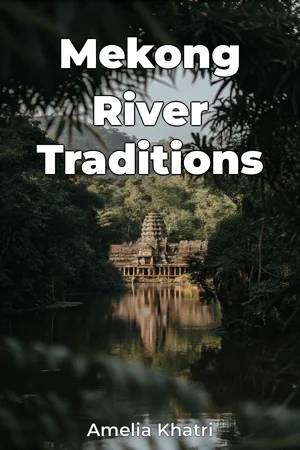
Does Southeast Asia’s mighty Mekong River hold the key to unlocking centuries of spiritual and cultural heritage? "Mekong River Traditions" delves into the profound intertwining of religious beliefs, historical events, and community practices that have shaped life along this vital waterway. This book is crucial for understanding the evolving cultural landscape of Southeast Asia and the enduring influence of religious traditions on its people. The book explores three central themes: the deep-rooted connection between the Mekong River and Theravada Buddhism, the syncretic nature of religious practices within the Mekong basin communities, and the impact of historical shifts on these traditions. Understanding these elements is vital for grasping the Mekong River's significance and the identity of the communities that depend on it. The historical context involves tracing the spread of Buddhism along the Mekong, beginning with ancient trade routes and the establishment of early kingdoms. Socially, we examine how religious beliefs are woven into daily life, influencing social structures, rituals, and artistic expression. This requires some general knowledge of Southeast Asian history and the basic tenets of Buddhism, though these will be reviewed in the opening chapters. "Mekong River Traditions" argues that the religious landscape of the Mekong River region is not a static entity but a dynamic interplay of indigenous beliefs, Buddhist philosophy, and external influences that continue to redefine cultural identities. This argument is important because it challenges conventional views of religious adherence as fixed and highlights the adaptive capacity of cultures in the face of change. This book is structured to progressively reveal the layers of religious tradition along the Mekong. Initially, it introduces the geographical and historical context of the river and the arrival and evolution of Buddhism. It then goes on to examine specific religious practices in different regions, highlighting the unique characteristics of Buddhism in Laos, Thailand, Cambodia, and Vietnam. Following this, it analyzes the blending of Buddhism with local animistic beliefs and the ways these syncretic traditions manifest in rituals, festivals, and art. The book concludes by assessing the ongoing impact of globalization and modernization on these traditions and offering insights into their potential future. The evidence presented is drawn from a variety of sources, including historical texts, anthropological studies, archaeological findings, and ethnographic fieldwork conducted in the Mekong River region. The book incorporates oral histories and personal narratives from local communities, providing firsthand accounts of religious practices and beliefs. This book intersects with several other fields, including anthropology, religious studies, and Southeast Asian studies. Anthropological insights help us understand the cultural context of religious practices, while religious studies provide a framework for analyzing belief systems and rituals. Southeast Asian history offers the backdrop against which these traditions have evolved. "Mekong River Traditions" adopts a balanced and nuanced approach, avoiding romanticized or simplistic portrayals of religious life. Presenting documented facts, the book seeks to present a holistic and comprehensive view of the religious traditions found along the Mekong River. The target audience includes students and scholars of religion, history, and Southeast Asian studies, as well as travelers and anyone interested in learning more about the cultural heritage of the Mekong River region. It offers an accessible and informative window into a complex and fascinating subject. As a work of non-fiction, this book adheres to the principles of accuracy, objectivity, and scholarly rigor. It seeks to present a comprehensive and balanced account of religious traditions along the Mekong River, supported by credible evidence and rigorous analysis. The scope of this book is limited to the major religious traditions found along the Mekong River, primarily focusing on Theravada Buddhism and its interaction with local beliefs. It does not attempt to provide a comprehensive overview of all aspects of culture in the region. The insights offered in "Mekong River Traditions" can be applied to a better understanding of cultural diversity, religious tolerance, and the preservation of cultural heritage. It provides valuable context for anyone involved in development, tourism, or cultural exchange in the Mekong River region. While the book strives to present a balanced view, it acknowledges the ongoing debates surrounding issues such as the impact of tourism on religious sites and the challenges of preserving traditional practices in the face of modernization. These debates are addressed in a thoughtful and nuanced manner, encouraging readers to engage with different perspectives.
Does Southeast Asia’s mighty Mekong River hold the key to unlocking centuries of spiritual and cultural heritage? "Mekong River Traditions" delves into the profound intertwining of religious beliefs, historical events, and community practices that have shaped life along this vital waterway. This book is crucial for understanding the evolving cultural landscape of Southeast Asia and the enduring influence of religious traditions on its people. The book explores three central themes: the deep-rooted connection between the Mekong River and Theravada Buddhism, the syncretic nature of religious practices within the Mekong basin communities, and the impact of historical shifts on these traditions. Understanding these elements is vital for grasping the Mekong River's significance and the identity of the communities that depend on it. The historical context involves tracing the spread of Buddhism along the Mekong, beginning with ancient trade routes and the establishment of early kingdoms. Socially, we examine how religious beliefs are woven into daily life, influencing social structures, rituals, and artistic expression. This requires some general knowledge of Southeast Asian history and the basic tenets of Buddhism, though these will be reviewed in the opening chapters. "Mekong River Traditions" argues that the religious landscape of the Mekong River region is not a static entity but a dynamic interplay of indigenous beliefs, Buddhist philosophy, and external influences that continue to redefine cultural identities. This argument is important because it challenges conventional views of religious adherence as fixed and highlights the adaptive capacity of cultures in the face of change. This book is structured to progressively reveal the layers of religious tradition along the Mekong. Initially, it introduces the geographical and historical context of the river and the arrival and evolution of Buddhism. It then goes on to examine specific religious practices in different regions, highlighting the unique characteristics of Buddhism in Laos, Thailand, Cambodia, and Vietnam. Following this, it analyzes the blending of Buddhism with local animistic beliefs and the ways these syncretic traditions manifest in rituals, festivals, and art. The book concludes by assessing the ongoing impact of globalization and modernization on these traditions and offering insights into their potential future. The evidence presented is drawn from a variety of sources, including historical texts, anthropological studies, archaeological findings, and ethnographic fieldwork conducted in the Mekong River region. The book incorporates oral histories and personal narratives from local communities, providing firsthand accounts of religious practices and beliefs. This book intersects with several other fields, including anthropology, religious studies, and Southeast Asian studies. Anthropological insights help us understand the cultural context of religious practices, while religious studies provide a framework for analyzing belief systems and rituals. Southeast Asian history offers the backdrop against which these traditions have evolved. "Mekong River Traditions" adopts a balanced and nuanced approach, avoiding romanticized or simplistic portrayals of religious life. Presenting documented facts, the book seeks to present a holistic and comprehensive view of the religious traditions found along the Mekong River. The target audience includes students and scholars of religion, history, and Southeast Asian studies, as well as travelers and anyone interested in learning more about the cultural heritage of the Mekong River region. It offers an accessible and informative window into a complex and fascinating subject. As a work of non-fiction, this book adheres to the principles of accuracy, objectivity, and scholarly rigor. It seeks to present a comprehensive and balanced account of religious traditions along the Mekong River, supported by credible evidence and rigorous analysis. The scope of this book is limited to the major religious traditions found along the Mekong River, primarily focusing on Theravada Buddhism and its interaction with local beliefs. It does not attempt to provide a comprehensive overview of all aspects of culture in the region. The insights offered in "Mekong River Traditions" can be applied to a better understanding of cultural diversity, religious tolerance, and the preservation of cultural heritage. It provides valuable context for anyone involved in development, tourism, or cultural exchange in the Mekong River region. While the book strives to present a balanced view, it acknowledges the ongoing debates surrounding issues such as the impact of tourism on religious sites and the challenges of preserving traditional practices in the face of modernization. These debates are addressed in a thoughtful and nuanced manner, encouraging readers to engage with different perspectives.
"Mekong River Traditions" explores the intricate relationship between religious beliefs, historical events, and cultural heritage along Southeast Asia's Mekong River. Examining the enduring influence of religious traditions, particularly Theravada Buddhism, this work reveals how these beliefs are woven into the daily lives and social structures of Mekong Basin communities. The book highlights the syncretic nature of religious practices, demonstrating how indigenous beliefs blend with Buddhist philosophy. The book traces the spread of Buddhism along the Mekong, from ancient trade routes to the establishment of early kingdoms. It examines specific religious practices in Laos, Thailand, Cambodia, and Vietnam, revealing the unique characteristics of Buddhism in each region. By incorporating historical texts, anthropological studies, and oral histories, the book adopts a balanced approach, avoiding simplistic portrayals of religious life. The book progresses by first introducing the geographical and historical context, then moves to specific religious practices, and concludes by assessing the impact of globalization. It provides insights into cultural diversity, religious tolerance, and cultural heritage preservation. The book presents a holistic view of religious traditions found along the Mekong River.
Book Details
ISBN
9788233962319
Publisher
Publifye AS
Your Licenses
You don't own any licenses for this book
Purchase a license below to unlock this book and download the EPUB.
Purchase License
Select a tier to unlock this book
Need bulk licensing?
Contact us for enterprise agreements.