
About This Book
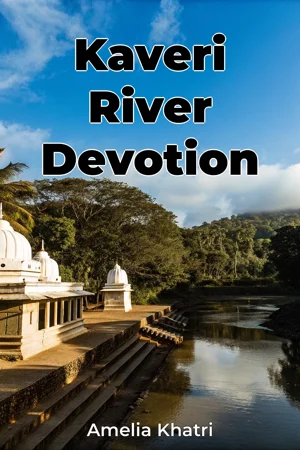
Have you ever wondered why a river is revered as a goddess? "Kaveri River Devotion" delves into the profound cultural and religious significance of the Kaveri River in South India. This book explores the multifaceted relationship between the river, the people who depend on it, and the deities it embodies, offering a comprehensive understanding of its role in shaping the region's history, religious practices, and mythological narratives. The book primarily addresses three key topics: the historical context of Kaveri worship, the intricate network of temples and sacred sites along its banks, and the diverse Hindu myths associated with its origin and divine attributes. Understanding these topics is essential for appreciating the Kaveri not merely as a geographical feature but as a living entity woven into the social and spiritual fabric of South India. Historically, the Kaveri has served as the lifeblood of the region, supporting agriculture, trade, and the establishment of powerful kingdoms. Its consistent flow, however, is not guaranteed; understanding the history of water management and the evolving relationship between communities and the river is crucial. Socially, the Kaveri acts as a unifying force, bringing together people from diverse backgrounds during religious festivals and pilgrimages. Regarding prerequisite knowledge, familiarity with basic Hindu concepts of deity worship and the geography of South India will enhance the reading experience, although the book will provide necessary background information as well. The central argument of "Kaveri River Devotion" is that the Kaveri's deification is not merely symbolic but represents a deep ecological and cultural understanding of the river's importance. The book will demonstrate how the river's worship has acted as a means of preserving its sanctity and promoting sustainable practices within the communities that depend on it. This argument is significant because it challenges conventional approaches to understanding the relationship between humans and nature, suggesting that spiritual reverence can play a critical role in environmental conservation. The book is structured to provide a comprehensive understanding of the Kaveri. It begins by introducing the river's geographical significance and the origins of its worship. It then develops this theme with an exploration of key temples and sacred sites along the Kaveri, followed by detailed analyses of the myths concerning its divine origin and powers. Finally, the book culminates by illustrating how the traditions and beliefs surrounding the Kaveri continue to influence contemporary ecological practices and social structures. The analysis is supported by a variety of evidence, including historical inscriptions, temple records, ethnographic studies of local communities, and translations of relevant Hindu texts. In addition, the book draws upon contemporary environmental studies to assess the river's current ecological status and the challenges it faces. "Kaveri River Devotion" connects to several interdisciplinary fields. Firstly, it aligns with environmental studies by examining the ecological impact of human activities on the river and the role of religious beliefs in promoting conservation. Secondly, it connects to sociology by analyzing the social structures and community practices surrounding Kaveri worship. Thirdly, it relates to anthropology by exploring the cultural significance of the river in shaping the identity and worldview of South Indian communities. The book adopts a tone that is both informative and accessible, blending rigorous academic research with engaging storytelling. While grounded in scholarly analysis, it maintains a narrative flow that appeals to a broad audience interested in history, religion, and environmental issues. The target audience for this book includes students and scholars of history, religion, and environmental studies, as well as general readers interested in South Indian culture and Hindu mythology. It offers valuable insights into the complex relationship between humans, nature, and spirituality. As a work of non-fiction, the book adheres to the genre's conventions of factual accuracy, thorough research, and clear presentation of evidence. While the book provides a broad overview of Kaveri River devotion, it intentionally focuses on the historical, religious, and mythological aspects, with a limited scope regarding contemporary political issues surrounding water rights. The information in this book has practical applications for those interested in sustainable development, community-based conservation efforts, and interfaith dialogue. By understanding the cultural values associated with the Kaveri, readers can gain insights into more effective approaches to environmental stewardship. While various interpretations exist regarding the Kaveri's mythology and the appropriate methods of its conservation, this book presents a balanced and nuanced perspective on these debates, acknowledging different viewpoints while offering a clear, evidence-based analysis.
Have you ever wondered why a river is revered as a goddess? "Kaveri River Devotion" delves into the profound cultural and religious significance of the Kaveri River in South India. This book explores the multifaceted relationship between the river, the people who depend on it, and the deities it embodies, offering a comprehensive understanding of its role in shaping the region's history, religious practices, and mythological narratives. The book primarily addresses three key topics: the historical context of Kaveri worship, the intricate network of temples and sacred sites along its banks, and the diverse Hindu myths associated with its origin and divine attributes. Understanding these topics is essential for appreciating the Kaveri not merely as a geographical feature but as a living entity woven into the social and spiritual fabric of South India. Historically, the Kaveri has served as the lifeblood of the region, supporting agriculture, trade, and the establishment of powerful kingdoms. Its consistent flow, however, is not guaranteed; understanding the history of water management and the evolving relationship between communities and the river is crucial. Socially, the Kaveri acts as a unifying force, bringing together people from diverse backgrounds during religious festivals and pilgrimages. Regarding prerequisite knowledge, familiarity with basic Hindu concepts of deity worship and the geography of South India will enhance the reading experience, although the book will provide necessary background information as well. The central argument of "Kaveri River Devotion" is that the Kaveri's deification is not merely symbolic but represents a deep ecological and cultural understanding of the river's importance. The book will demonstrate how the river's worship has acted as a means of preserving its sanctity and promoting sustainable practices within the communities that depend on it. This argument is significant because it challenges conventional approaches to understanding the relationship between humans and nature, suggesting that spiritual reverence can play a critical role in environmental conservation. The book is structured to provide a comprehensive understanding of the Kaveri. It begins by introducing the river's geographical significance and the origins of its worship. It then develops this theme with an exploration of key temples and sacred sites along the Kaveri, followed by detailed analyses of the myths concerning its divine origin and powers. Finally, the book culminates by illustrating how the traditions and beliefs surrounding the Kaveri continue to influence contemporary ecological practices and social structures. The analysis is supported by a variety of evidence, including historical inscriptions, temple records, ethnographic studies of local communities, and translations of relevant Hindu texts. In addition, the book draws upon contemporary environmental studies to assess the river's current ecological status and the challenges it faces. "Kaveri River Devotion" connects to several interdisciplinary fields. Firstly, it aligns with environmental studies by examining the ecological impact of human activities on the river and the role of religious beliefs in promoting conservation. Secondly, it connects to sociology by analyzing the social structures and community practices surrounding Kaveri worship. Thirdly, it relates to anthropology by exploring the cultural significance of the river in shaping the identity and worldview of South Indian communities. The book adopts a tone that is both informative and accessible, blending rigorous academic research with engaging storytelling. While grounded in scholarly analysis, it maintains a narrative flow that appeals to a broad audience interested in history, religion, and environmental issues. The target audience for this book includes students and scholars of history, religion, and environmental studies, as well as general readers interested in South Indian culture and Hindu mythology. It offers valuable insights into the complex relationship between humans, nature, and spirituality. As a work of non-fiction, the book adheres to the genre's conventions of factual accuracy, thorough research, and clear presentation of evidence. While the book provides a broad overview of Kaveri River devotion, it intentionally focuses on the historical, religious, and mythological aspects, with a limited scope regarding contemporary political issues surrounding water rights. The information in this book has practical applications for those interested in sustainable development, community-based conservation efforts, and interfaith dialogue. By understanding the cultural values associated with the Kaveri, readers can gain insights into more effective approaches to environmental stewardship. While various interpretations exist regarding the Kaveri's mythology and the appropriate methods of its conservation, this book presents a balanced and nuanced perspective on these debates, acknowledging different viewpoints while offering a clear, evidence-based analysis.
"Kaveri River Devotion" explores the profound cultural and religious significance of the Kaveri River in South India, revealing its role not just as a geographical feature but as a revered goddess deeply embedded in the region's history and spiritual life. This book examines the historical context of Kaveri worship, the intricate network of temples and sacred sites along its banks, and the diverse Hindu myths associated with the river's divine origin. The book highlights how the Kaveri has been the lifeblood of the region, supporting agriculture and trade, and how its deification has served as a means of preserving its sanctity. The book progresses by first introducing the river's geographical importance and the origins of its worship. It then explores key temples and sacred sites along the Kaveri, followed by detailed analyses of the myths concerning its divine origin and powers. This approach connects environmental studies, sociology, and anthropology, offering a comprehensive understanding of the river's importance. Ultimately, it illustrates how traditions and beliefs surrounding the Kaveri continue to influence contemporary ecological practices and social structures.
Book Details
ISBN
9788233962289
Publisher
Publifye AS
Your Licenses
You don't own any licenses for this book
Purchase a license below to unlock this book and download the EPUB.
Purchase License
Select a tier to unlock this book
Need bulk licensing?
Contact us for enterprise agreements.